Workplace Signals Q4: Designing for the Human Experience of Work
Insights gathered from the signals shaping workplace design as 2026 draws to a close.

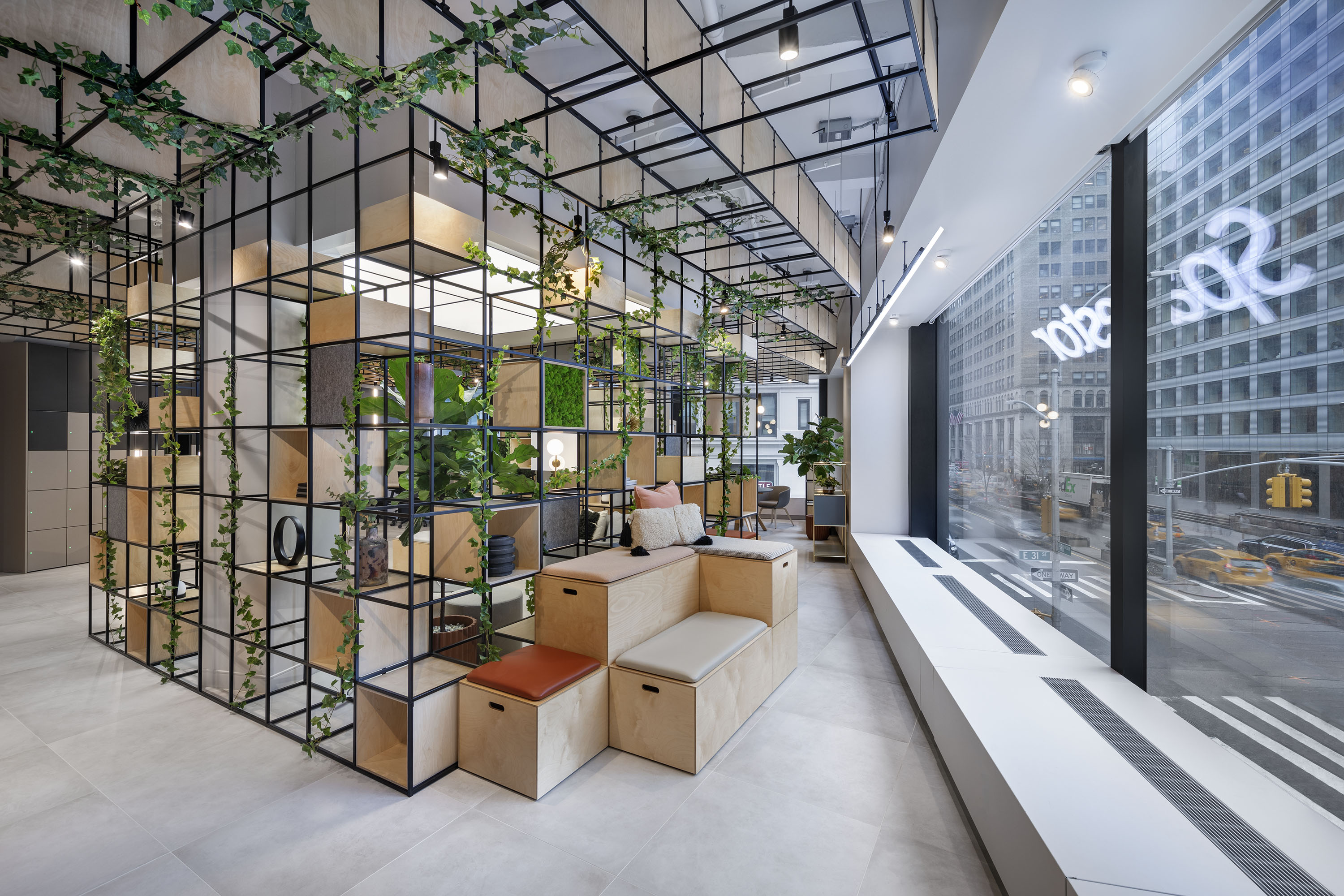
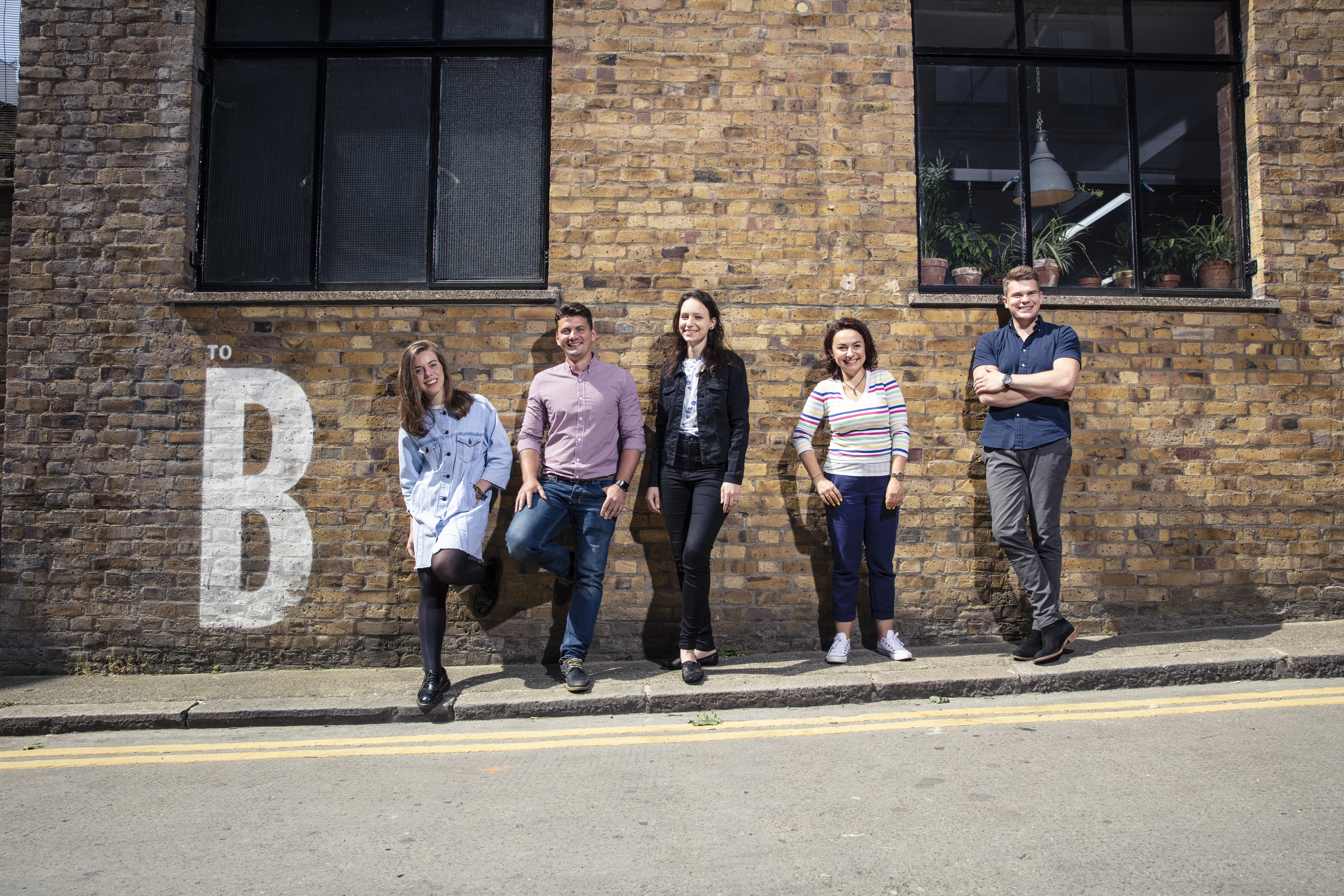
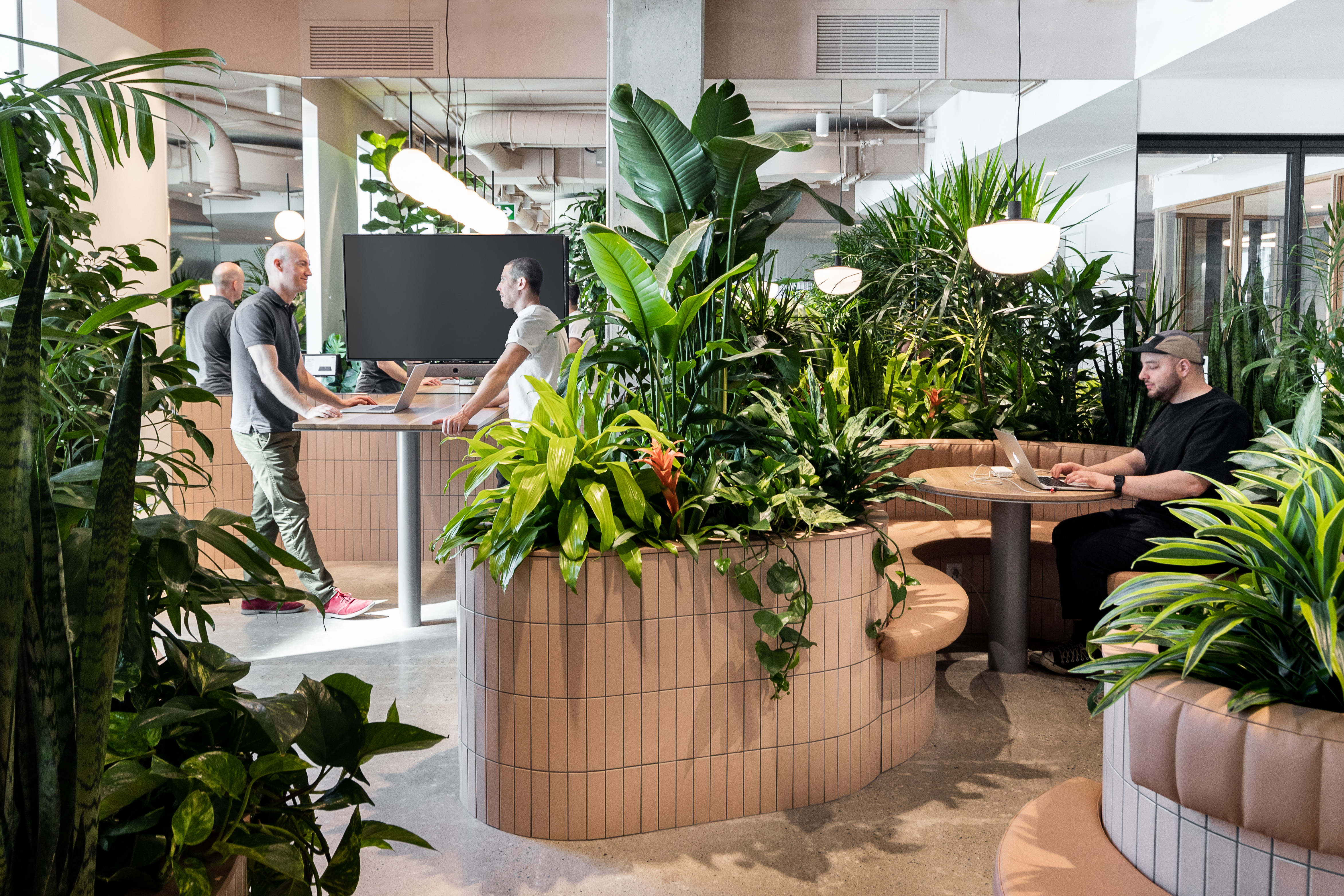
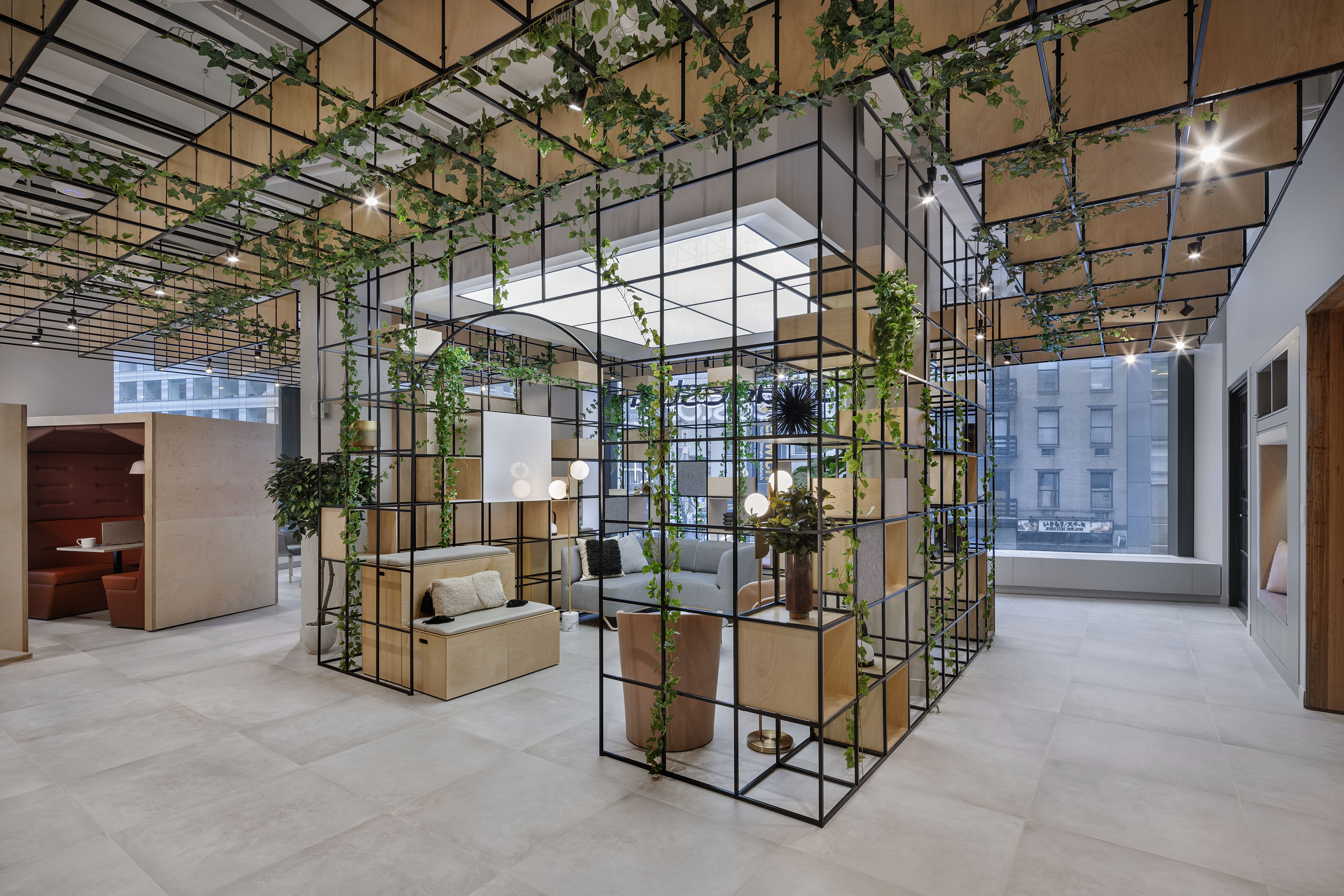
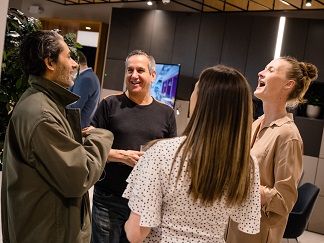
As the year closes, the signals across our industry point in one direction. Research, reports and conversations from the past few weeks keep returning to the same question: what does the workplace feel like for the people using it? Human-centered workplace design has moved from a talking point to the brief itself.
Here are six signals we're watching as we head into 2027, and what they mean for the spaces we design.
1. Human Is Back at the Center of the Brief
Cambridge Dictionary has named "human" its word of the year for 2026, and in the same week Workspace Design Show London 2027 announced its theme: the human experience of work. It's a neat summary of where the conversation has landed after several years of debate about attendance, mandates and technology.
In practice, this means the measure of a workplace is shifting from how many desks it holds to how it makes people feel. Arrival experiences borrow from hospitality, quiet spaces are genuinely quiet, and settings are designed around behaviors rather than headcount. The office is being judged the way people judge any place they choose to spend time in.
For designers, the implication is clear. Every decision, from the first impression at reception to the corner where someone takes a difficult call, is now part of the human experience the workplace is expected to deliver.
2. AI Is Saving Time, but Not Freeing It
New research from the London School of Economics' Inclusion Initiative and Protiviti, surveying 3,001 professionals worldwide, found that 74% now use AI at work, up from 29% in 2024. Users say AI saves them an average of 19% of their working week, but they reinvest 72% of that time straight back into other work. Nearly half (48%) also worry they'll be judged for not using AI enough.
That combination of faster work, more of it and a new layer of pressure has real consequences for space. If routine tasks are disappearing, what's left is the work that needs concentration, judgment and conversation. Those activities need very different settings from the ones built for processing.
The workplace has a role to play here: places for deep focus, places to learn alongside colleagues, and places to step away and recover. Designing for the human side of AI adoption may matter as much as designing for the technology itself.
3. The Lease Reset Is Nearly Complete
Analysis published this week by Hughes Marino suggests that roughly 90% of US office tenants have seen their leases expire or be restructured since 2020. In Europe, PwC and ULI's Emerging Trends in Real Estate Europe 2027 ranks London first for investment and development prospects, even as the wider property recovery takes longer than expected.
Most occupiers have, in other words, made their big real estate decision. The footprint is set for the next few years. What happens inside that footprint is now where the opportunity lies.
Teams will change shape many times before the next lease event. Workplaces that can be zoned without building walls, and reconfigured or relocated as needs change, give occupiers room to adapt without starting again. Flexibility is no longer a bonus feature; it's how a fixed footprint stays fit for purpose.
4. Investment Is Turning Back Toward the Workplace
A survey of 400 UK chief financial officers, commissioned by Pleo and reported by Workplace Insight, found that 64% plan to increase investment in offices and facilities in 2027, with similar numbers expecting to spend more on employee engagement, wellbeing and benefits. These are expectations rather than committed budgets, but the direction is notable.
It suggests the workplace is being viewed again as an investment in people, not simply a cost to be reduced. That raises the bar for how spending is prioritized. Money is most likely to go where it visibly improves the day-to-day experience of the people using the space.
For design teams, this is a moment to connect every recommendation to its human outcome: better focus, easier collaboration, a stronger sense of belonging. Those are the outcomes finance leaders say they want to support.
5. Global Strategy Shouldn't Mean Global Uniformity
At our Global Shifts, Individual Experiences webinar, Collin Burry of Gensler drew on the Gensler 2026 Global Workplace Survey, covering more than 16,000 office workers in 16 countries, to explore individual agency in a global workforce. His message was that a global workplace strategy should not mean every office looks and works the same.
Organizations with offices across several countries need consistency in quality, values and standards. But the people in each location bring their own culture, commute and expectations. A workplace that feels right in London may need a different balance of settings in Austin or Munich.
The answer is a recognizable thread rather than a template: cornerstone pieces and principles that travel, with room for local character on top. That way, people feel at home in any office without feeling as though they're in a copy of somewhere else.
6. Choice Has to Fit
Choice has been a defining workplace theme for several years, but the emphasis is shifting from quantity to fit. Offering a long menu of settings isn't the same as offering the right ones, especially when people work, think and process their surroundings differently.
The more useful question is whether each setting meets a real need: somewhere to focus without distraction, somewhere to talk without being overheard, somewhere to recharge, somewhere to connect. A smaller number of well-considered settings, each designed with intent, will often serve people better than an abundance of generic ones.
This is where human-centered workplace design comes into its own. Understanding how people actually use space, and designing for that, creates choice that feels meaningful rather than overwhelming.
Final Thought
Across this quarter's signals, the common thread is people: how they feel, how they work, and what they need from the places they choose to spend their time. Technology, property cycles and budgets will keep shifting. The workplaces that thrive will be the ones that keep the human experience at the center of every decision.
To discuss any of these points in more detail, or explore how Spacestor could support your next project, reach out below.
FAQs
What is human-centered workplace design?
Human-centered workplace design starts with how people work, feel and behave, rather than with headcount or desk numbers. It shapes settings for focus, collaboration, rest and connection, so the workplace supports wellbeing and performance and becomes a place people choose to use.
How is AI changing workplace design?
As AI takes on routine tasks, more of the remaining work involves concentration, judgment and conversation. That increases demand for focus spaces, learning and collaboration settings, and places to recover, rather than rows of identical desks.
Why does flexible office furniture matter after a lease decision?
Once a lease is signed, the footprint is fixed but teams keep changing. Modular, reconfigurable and relocatable furniture lets occupiers rezone and adapt the space over the lease term without major construction or starting again.