Theories of Design: Designing the Spectrum of Space: How Purpose-Built Environments Shape Wellness with Lisa Kong
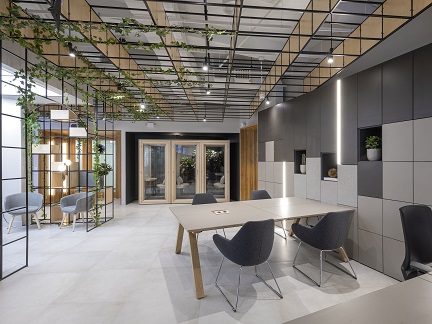

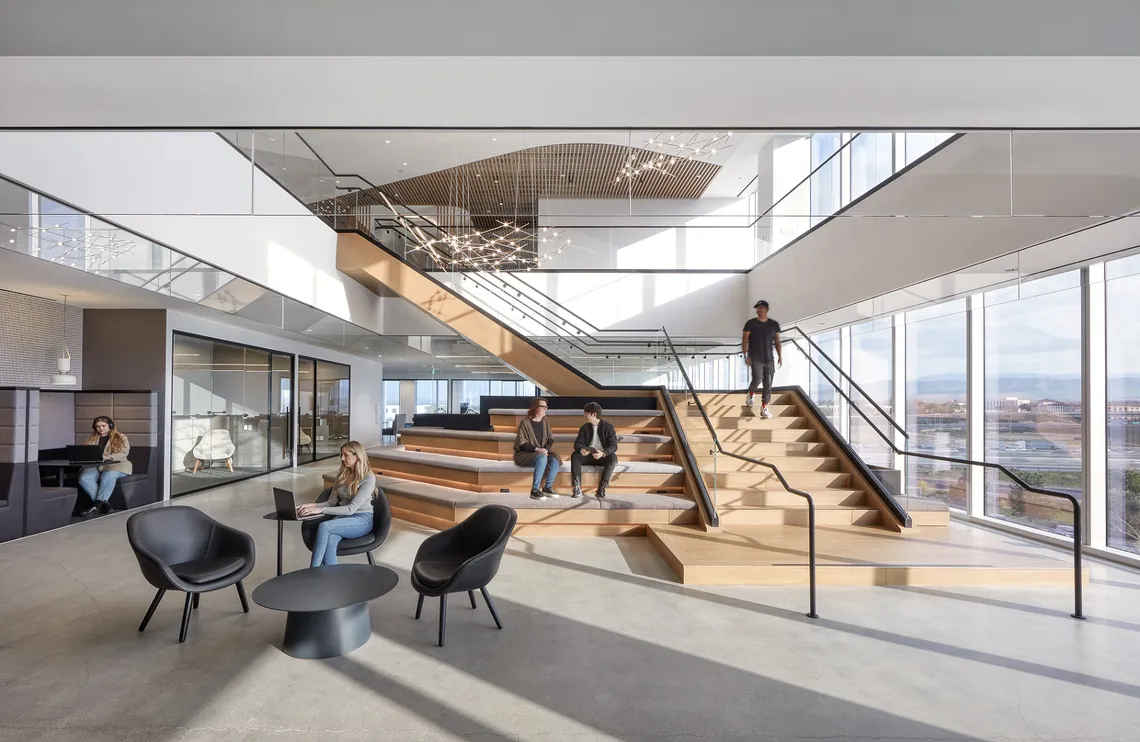
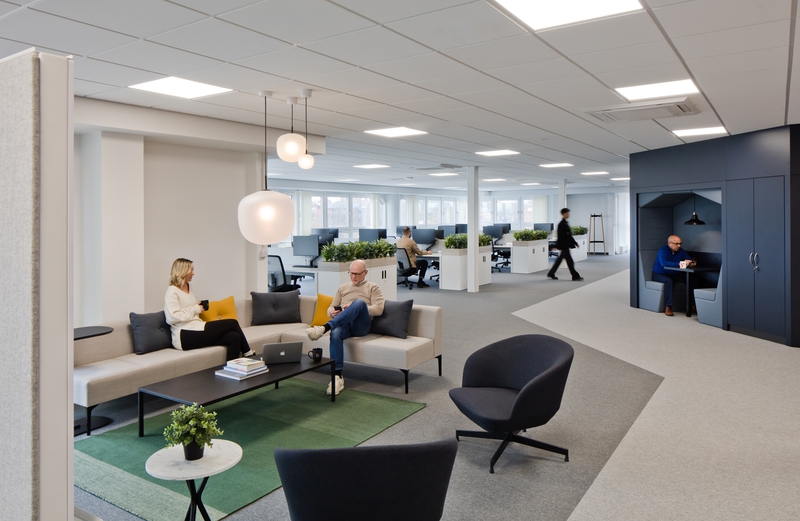
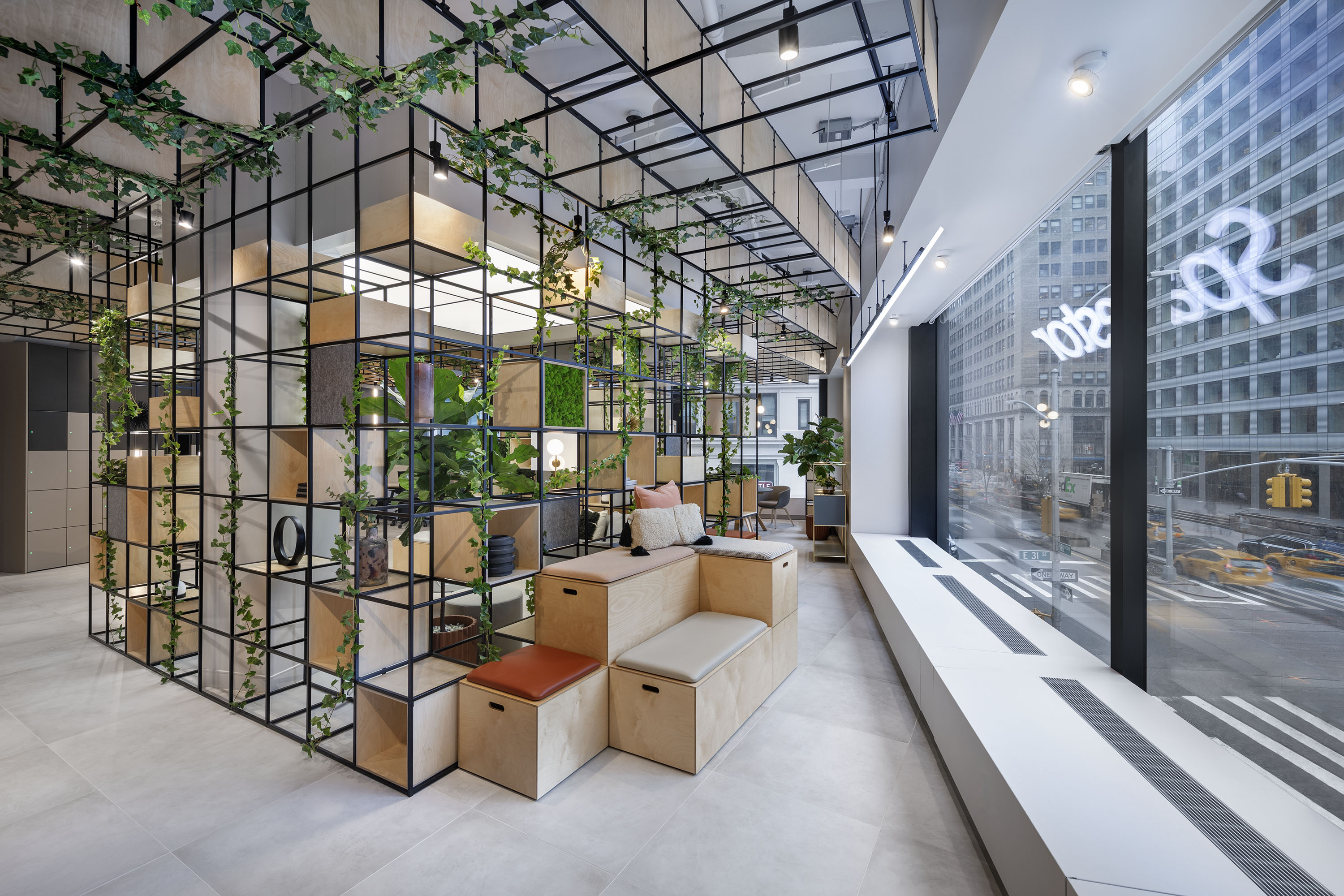
When people talk about workplace wellbeing they often start with plants, sit-stand desks or a meditation app. Lisa Kong, Regional Interior Practice Leader at DLR Group, takes a different opening shot: she thinks about the moments when spaces “exceeded my expectations, that were exactly what I needed at that moment and were designed so perfectly with every element intentionally provided for my comfort and ease of use.” That memory, a precise, lived reaction to place, is the benchmark she uses when conceiving work environments. For Lisa, wellbeing is not a checklist: it’s a spectrum of spaces that each do something and do it deliberately.
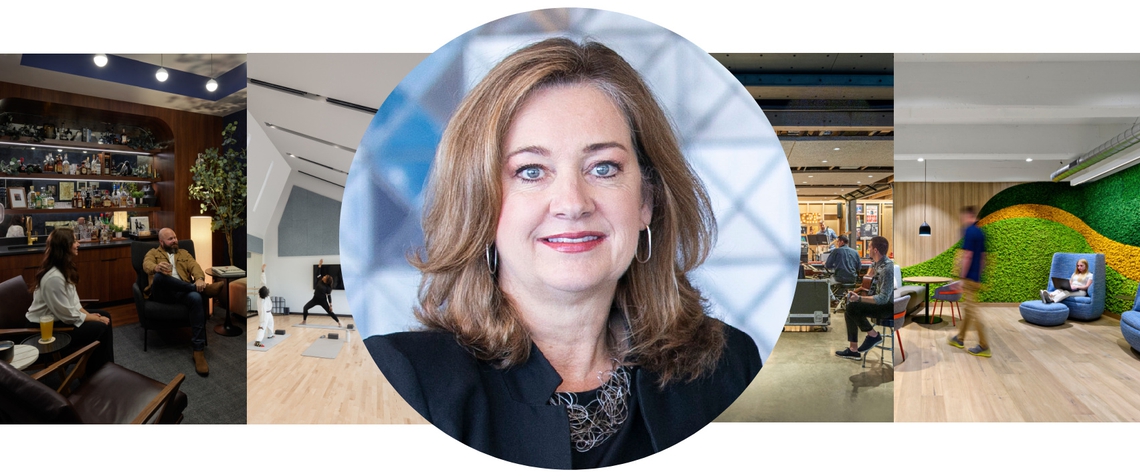
Purpose First: Five Types of Space
Lisa organizes wellbeing design around five clear purposes: Gather, Play, Create, Restore and Nourish. These are behavioural briefs, rather than decorative labels. “Spaces can serve very different purposes – To Gather, Play, Create, Restore, or Nourish,” she says, and for each type she starts by asking a single question: how should someone feel when they enter?
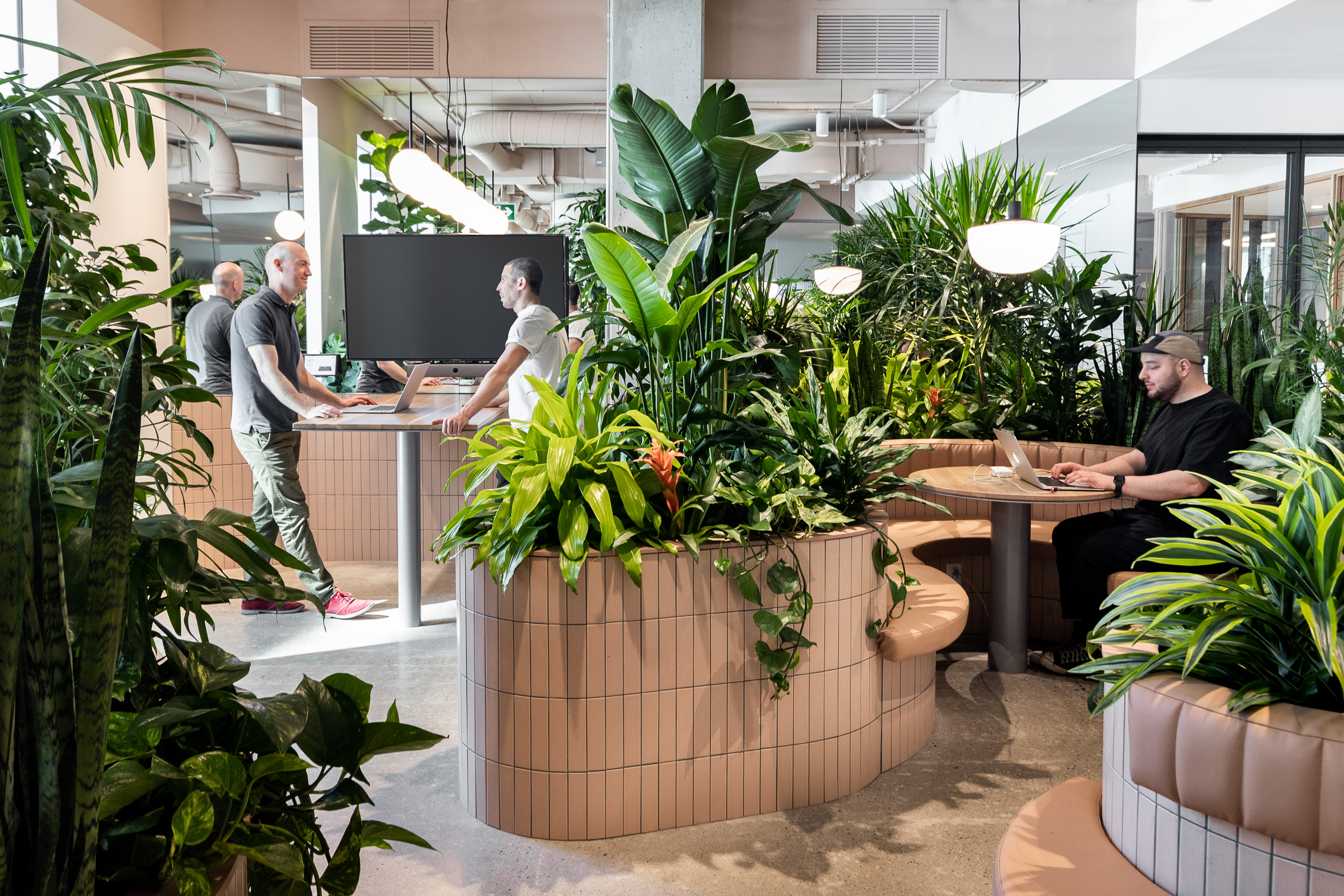
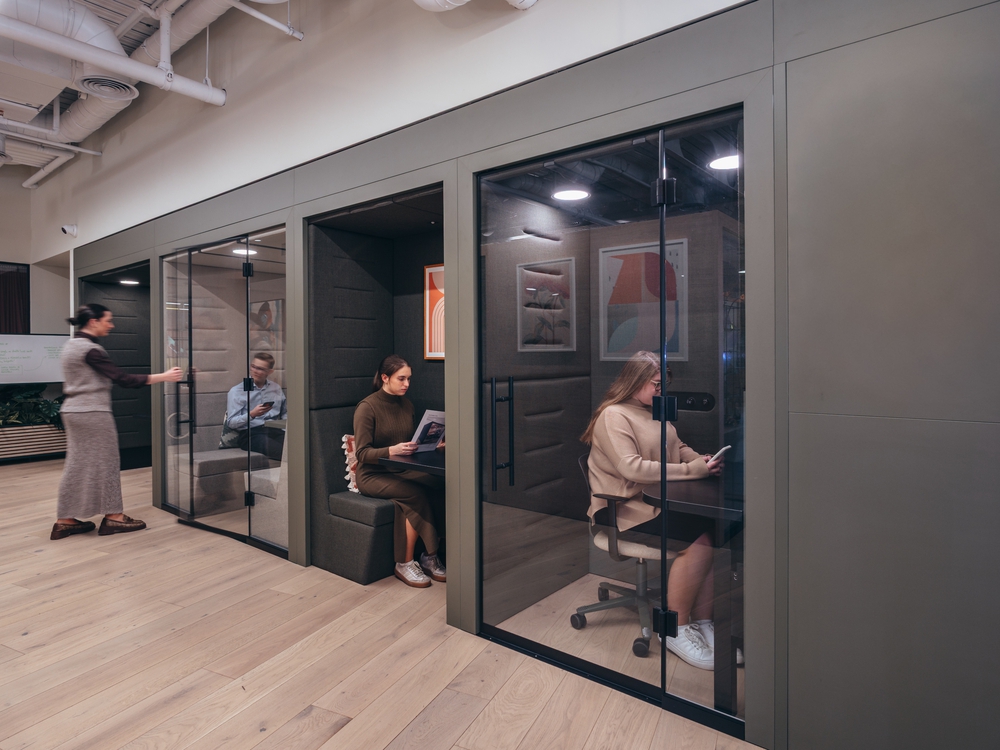
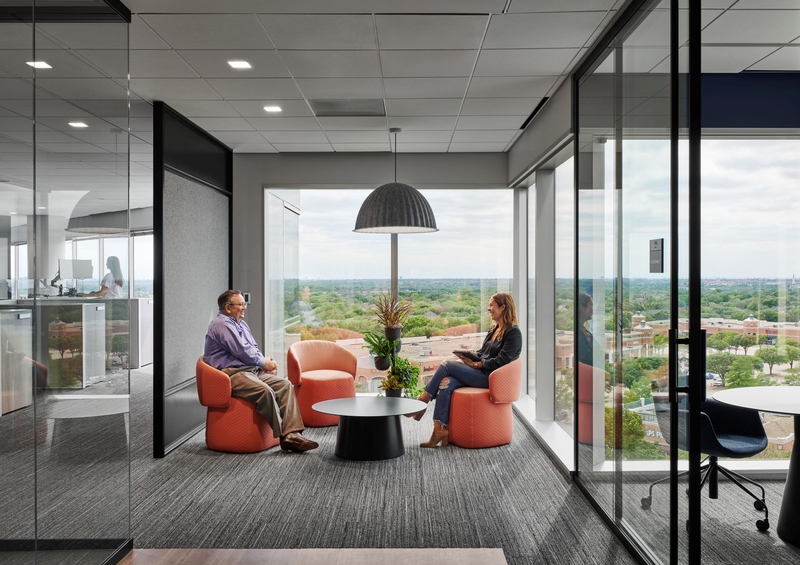
That emotional starting point drives every subsequent decision - layout, finishes, light, acoustics and furniture. In a Restore space, Lisa “imagines that people entering the space will take a long deep breath and a sense of calm will come over them.” So the design response is quietness, natural finishes, biophilic connections and a level of calm that encourages mindfulness. In short: remove friction, reduce stimulus, make stillness possible.
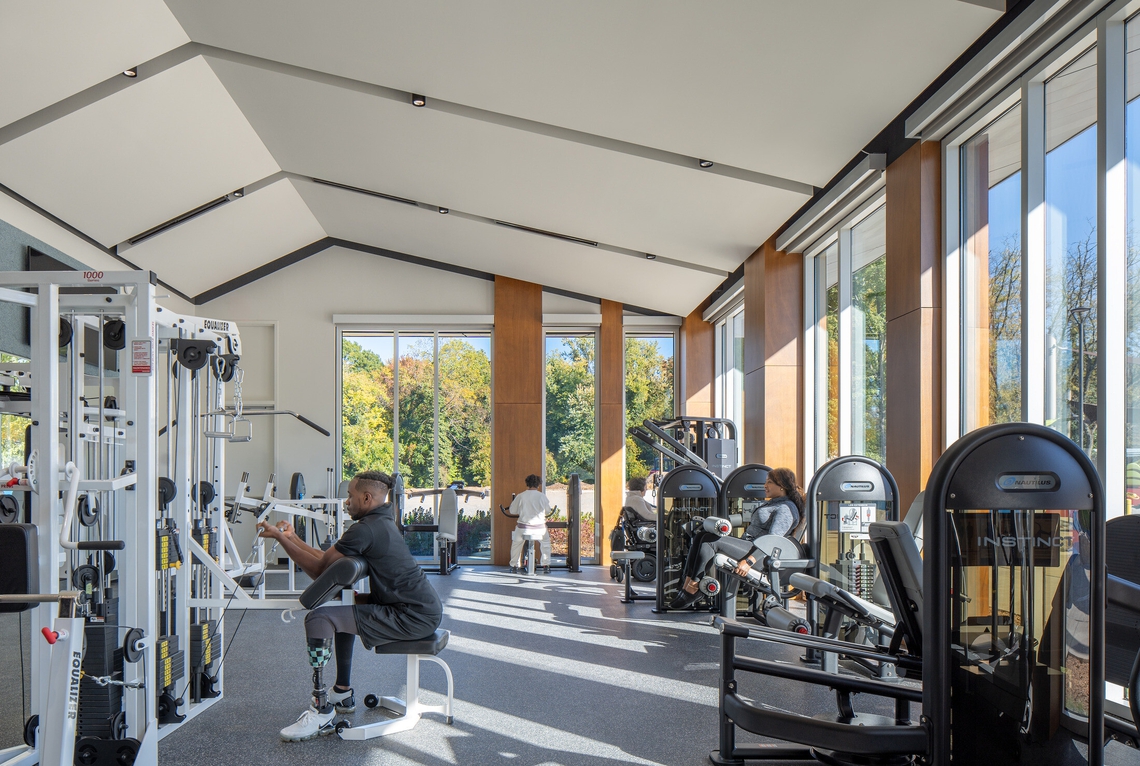
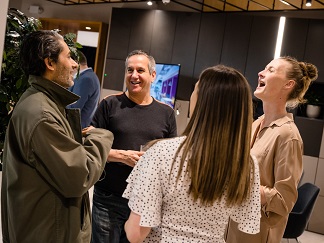
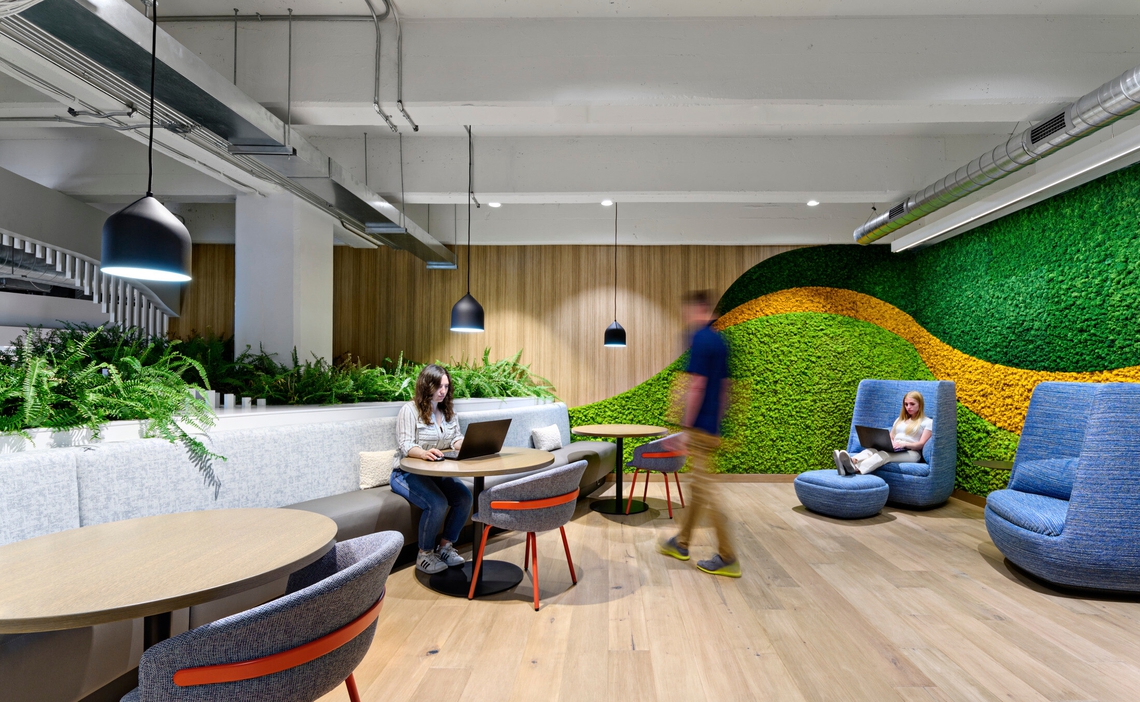
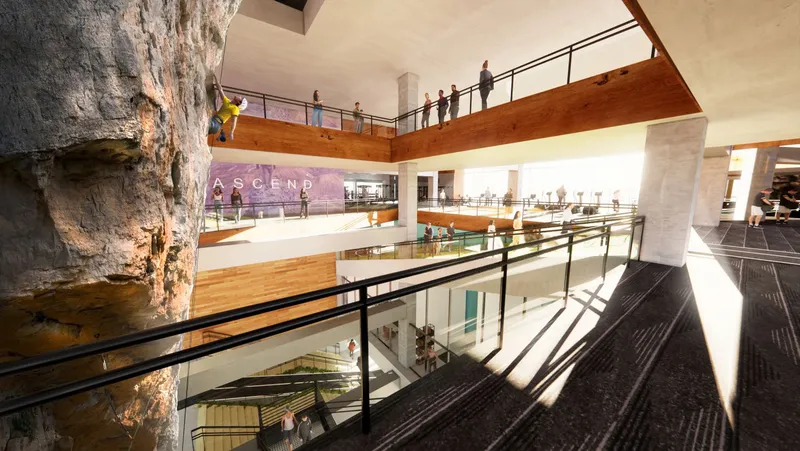
Gather spaces sit at the opposite end of the spectrum. Here Lisa aims for curiosity, visual stimulation and variety, “like someone planned the perfect cocktail party and everyone had a good time!” So, people feel invited to move between groups and linger without intruding. The layout is generous, settings are varied and the visual language provokes conversation.
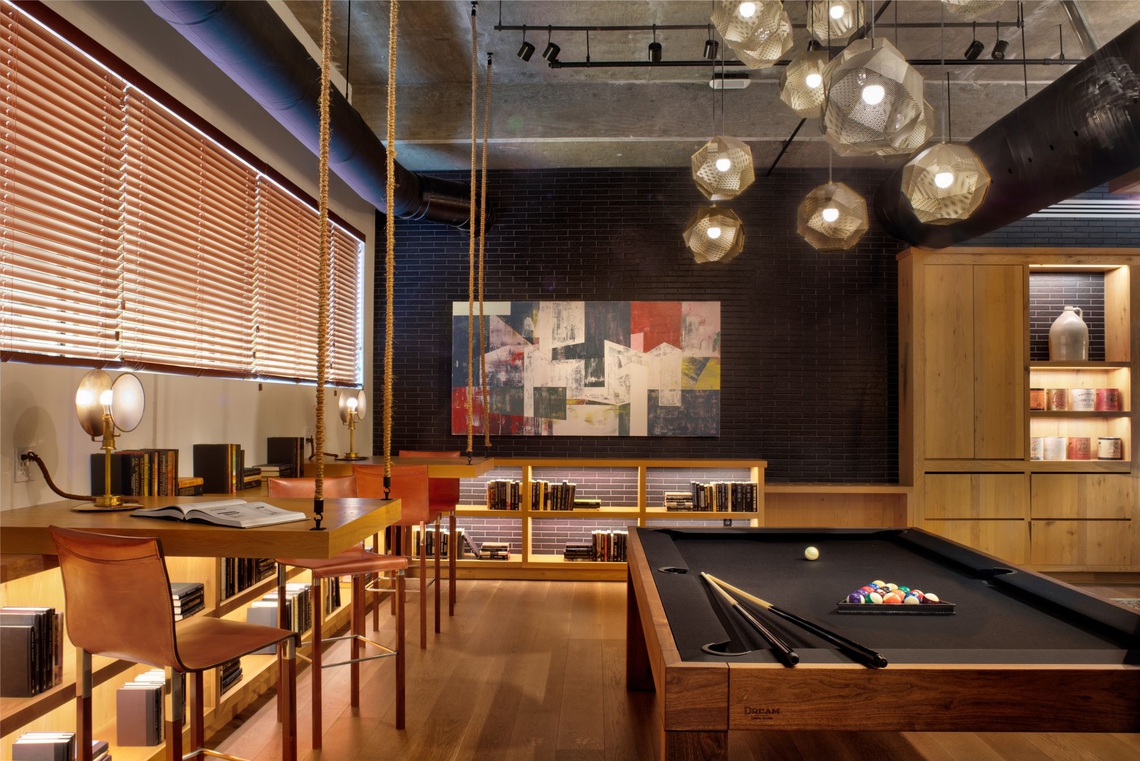
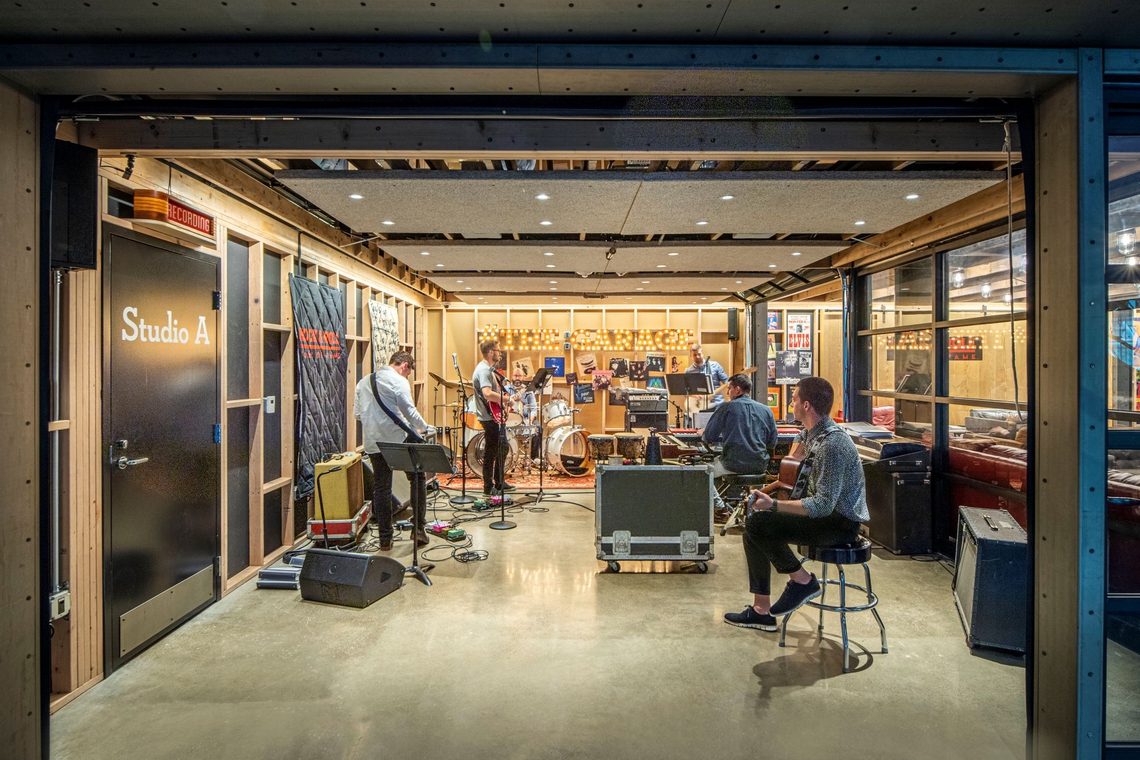
Play spaces, she argues, are underrated contributors to wellbeing: “Play spaces can help reduce stress and increase creativity and innovation.” To achieve that, Kong prescribes legible, inclusive games, spectator room, multi-supportive furniture for food and drink, controllable warm-tone lighting and acoustic treatment that contains noise so conversation can happen without shouting.
Create spaces are either configured for a discipline - an art studio with zones for painting, ceramics and sculpture - or designed as “a blank canvas” enabled by flexible furniture and supplies. Good lighting (closer to daylight tones), adjustable and task-focused (neutral, cleanable surfaces and a mix of quiet zones and collaborative benches) are the design vocabulary here.
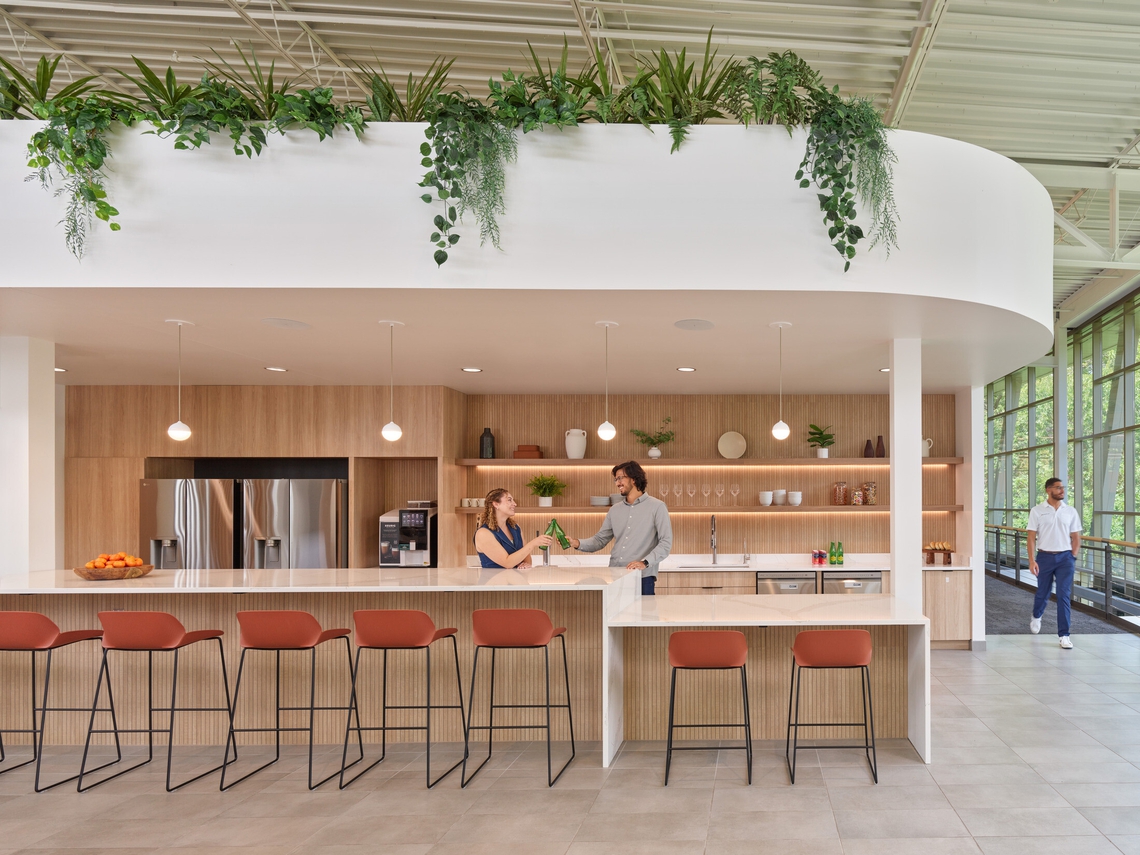
Nourish spaces, finally, are about replenishment and social ritual. Lisa imagines facilities for preparing fresh food, areas to grow and harvest crops, ingredient selection and seating that supports sharing. Practicalities matter: finishes must be cleanable, daylight-balanced lighting for food prep and flexible settings for different times of day.
Translating Intent into Detail
Lisa’s process is deliberately bottom-up: envision the desired feeling, then pick the elements that invite that feeling. “Lighting, especially the ability to adjust lighting is critical… as is sound.” Material choices should match function and acoustics, leaning toward natural and biophilic options “which are known to contribute to wellness.” Colour is used with restraint: muted palettes are preferred, with blue and green for calm and yellow for cheer, with some vibrant accents.
Space planning itself is an act of inclusion. For neurodiversity, Lisa stresses that the plan - not the finishes - often defines accessibility. “Creating sheltered areas is critical for decompressing from stressful, crowded, noisy spaces,” she says. These sheltered pockets can live inside larger zones and act as safe havens, allowing an individual to step out of a high-stimulus area and return on their own terms.
A Project that Demonstrates the Point
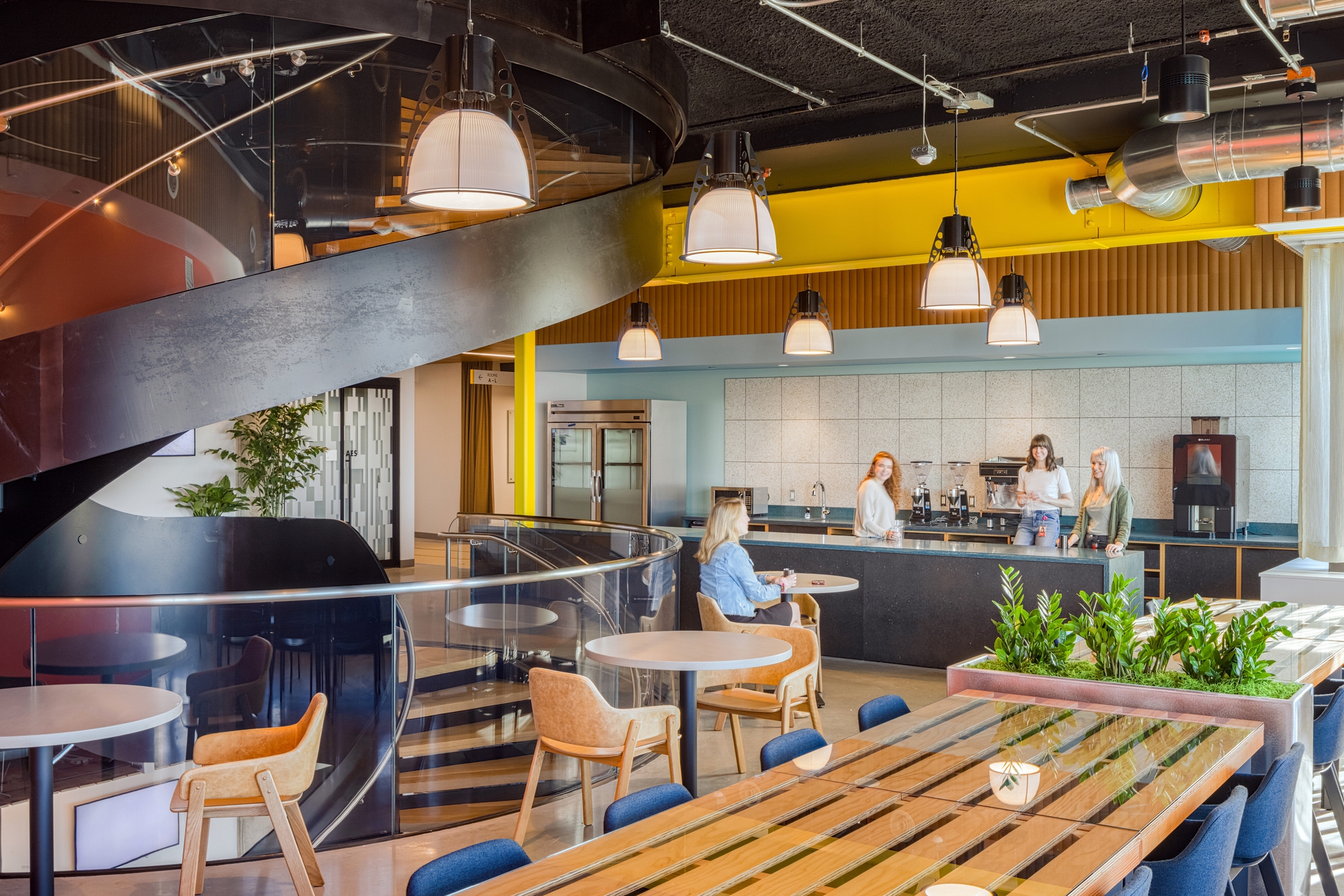
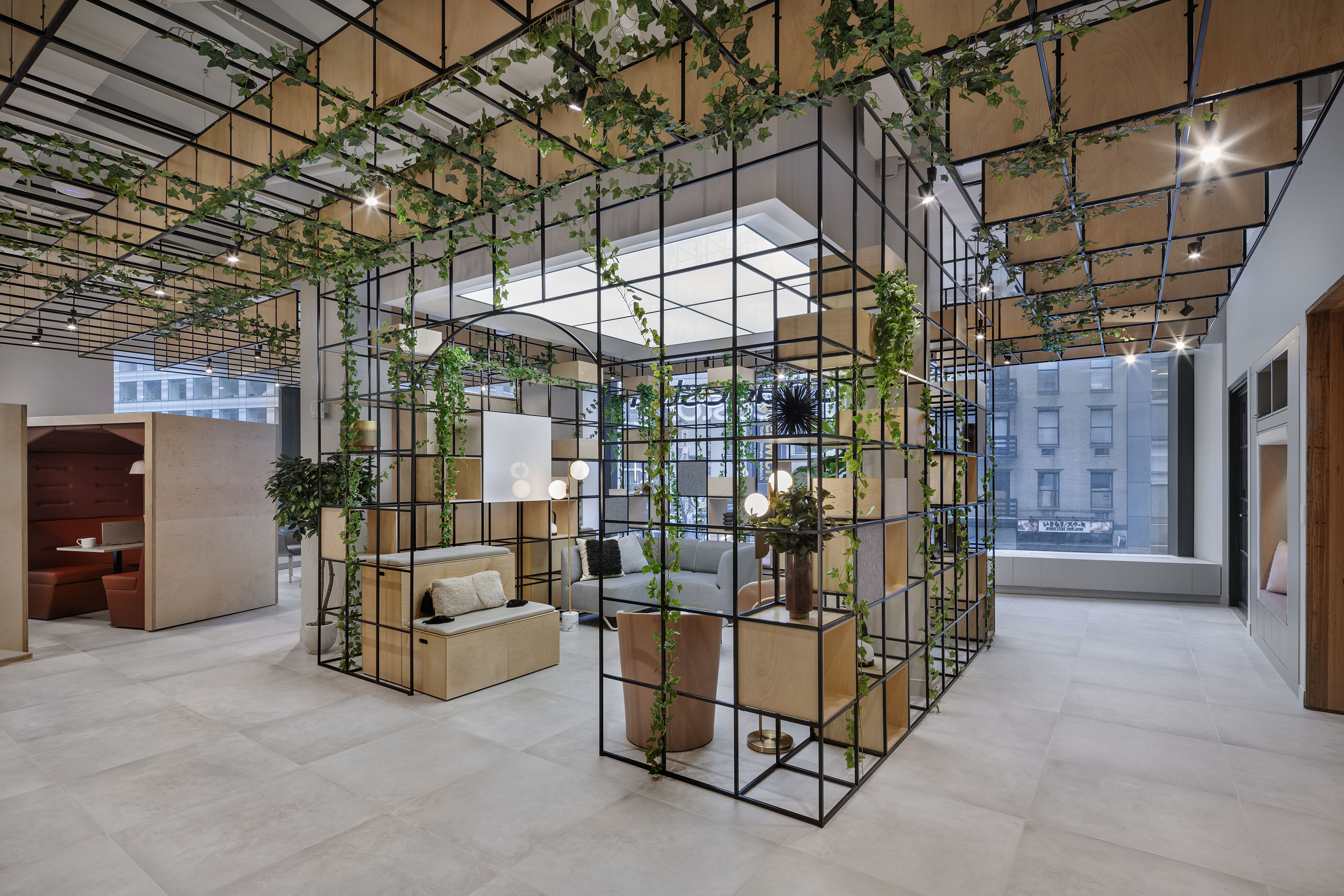
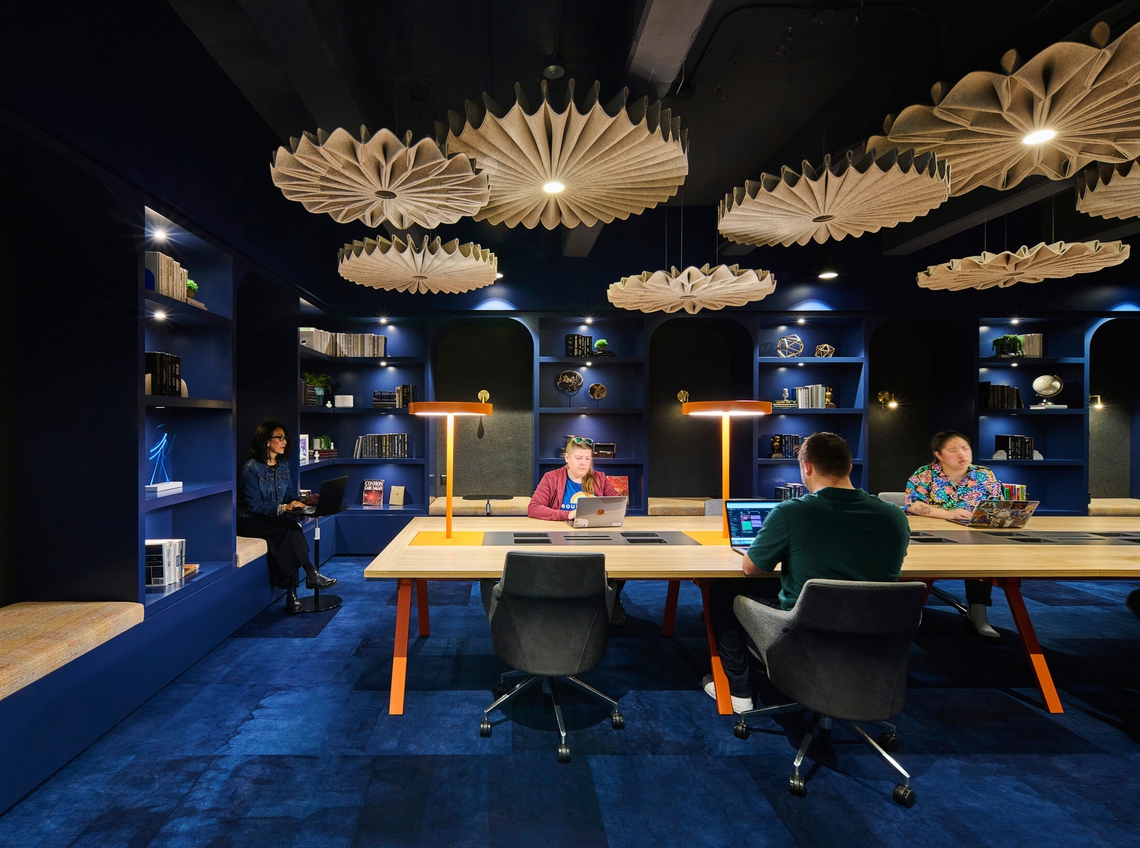
Lisa points to one project that tested these ideas in real time: Cloudflare’s San Francisco workplace during the pandemic. The client brief was essentially a rethink of what a flexible workplace could be. The outcome illustrates the value of applying a spectrum of space types: Gather spaces such as a work café and outdoor areas; a Restore “Library” where phones are banned and quiet focus is encouraged; a Wellness room; and a basement game room with board games and a pool table. “The employees at Cloudflare get to choose how to curate their day with options of different space types to suit what they need to be productive,” she explains. The design gave staff agency - choice became the mechanism for wellbeing.
Why the Spectrum Matters Now
Two linked trends make Lisa’s method timely. First, the pandemic recalibrated expectations: people expect workplaces to do more than provide desks, they must actively support health and cognition. Second, a growing awareness of neurodiversity reframes inclusion as spatial design: adjustable light, thoughtful acoustics and a variety of sheltered settings are essentials, not luxuries.
Lisa is optimistic that employers will respond. “Companies are incentivized to create workspaces that people want to be at,” she says, noting that wellness rooms have already shifted from novelty to near-requirement. She expects the portfolio of space types to broaden as organisations realise the ROI isn’t just happier staff but better concentration, creativity and human connection.
Practical Takeaways
Lisa’s interview yields several practical, adaptable lessons for design teams and clients:
• Begin with feeling. Define how someone should feel in the space before specifying materials or furniture.
• Design a spectrum, not a single mood. A successful workplace offers distinct settings that allow people to curate their day.
• Make adjustments available. Lighting and acoustic control multiply usefulness across space types.
• Prioritise sheltered, single-occupant settings as a baseline of inclusivity for neurodiverse users.
• Use colour and material intentionally - muted palettes, natural textures and cleanable surfaces support longevity and wellbeing.
If there’s a single idea from Lisa’s approach it is that wellbeing in the workplace is created by a coherent set of places that meet the full range of human needs over a working day. Design those places well, and productivity, social ease and creativity often follow. As Lisa puts it, the best spaces “were designed so perfectly with every element intentionally provided for my comfort and ease of use.” That level of intentionality is the new standard.
Image Credits: DLR Group, Joy Evans Therapeutic Recreation Center, Rock & Roll Hall of Fame, Cloudflare San Francisco, Canopy by Hilton Baltimore, Grand Hyatt SFO, Spacestor

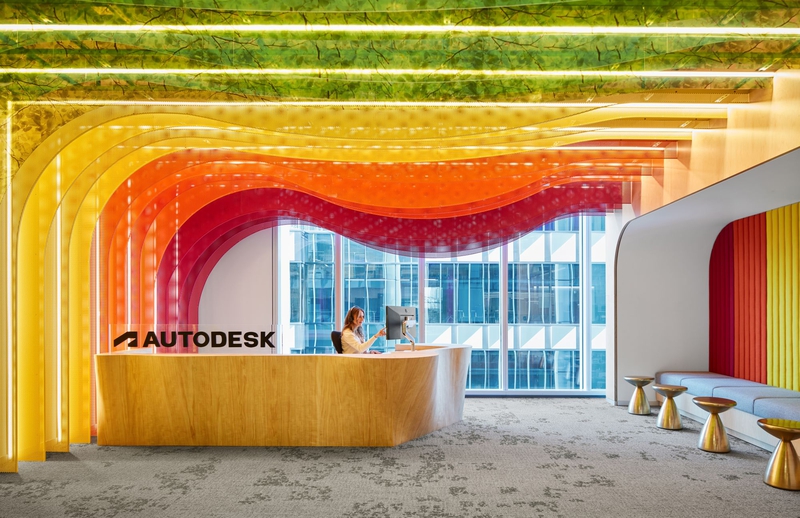
Autodesk’s new 41,000 sq ft Atlanta office, designed by Corgan, reimagines what it means to work in the city known as t…
TECHNOLOGY & IT
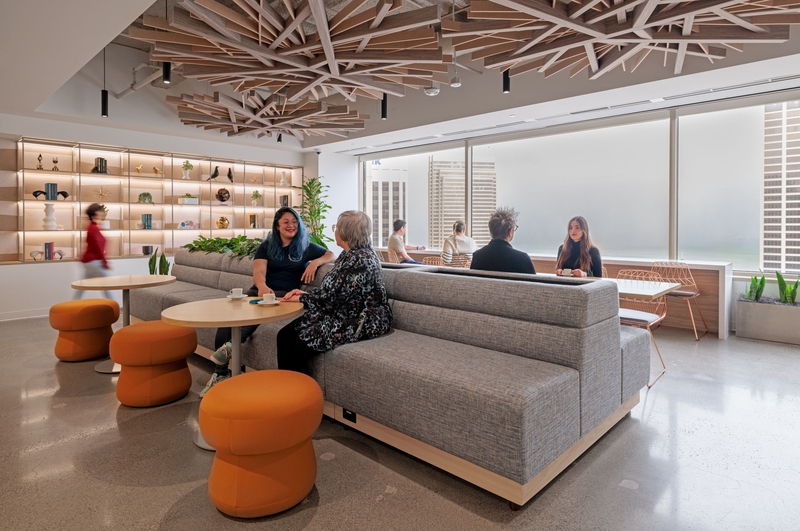
Working with Pivot, Spacestor provided Palisades II, their customizable zone divider, in stone grey, and shelves in cyp…
FINANCIAL SERVICES
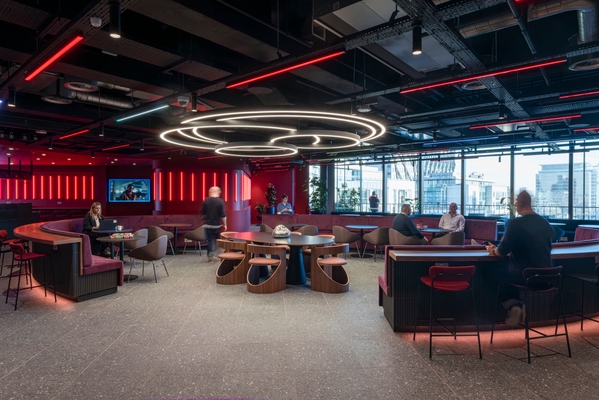
Designed to unite and empower, Virgin Media O2’s new HQ redefines what a collaborative workplace can be.
SPORTS, MEDIA & ENTERTAINMENT