13 Aug 2026
Industry Trends
In a talent landscape where employees are more selective than ever about where they work, the physical workplace has quietly become one of the most powerful recruiting tools a company has. Long before a candidate reads the culture deck or hears about benefits, they're forming an impression of the organization the moment they step through the door.
That impression isn't neutral. It's either working in a company's favor, or it's working against it.
The Workplace as a Talent Signal
Gensler's 2025 Global Workplace Survey found that employees in great workplaces are nearly three times more likely to stay with their company, feel their contributions are valued, and believe their environment supports their growth. The same research found that 90% of employees who like their workspace say they're proud to work for their company, compared to just 47% of those who feel disconnected from their environment.
The findings reinforce a shift many workplace leaders are already seeing first-hand: design is no longer a backdrop to company culture, it's an active driver of it. In a competitive hiring landscape, the office itself has become a make-or-break factor in both attracting new talent and retaining existing teams.

What "Working Against You" Looks Like
For many organizations, the risk isn't a single dramatic design failure. It's a series of small, cumulative signals that suggest the workplace hasn't been designed around the people who use it.
- A single desk plan expected to serve every type of work, from focused individual tasks to confidential conversations
- Limited variety in the kinds of spaces on offer, leaving little room for employees to choose an environment suited to the task at hand
- Underdeveloped storage, wayfinding, or day-to-day logistics that add friction to the workday
- Materials and finishes that feel generic rather than intentional
Individually, these details may seem minor. Collectively, they shape how a candidate or new hire reads the organization behind them, often before a single conversation has taken place.
Designing a Workplace That Recruits For You
Gensler's research points to a consistent theme: employees with a high degree of choice in where and how they work are 2.5 times more likely to say their workplace supports both individual and team productivity, and nearly three times more likely to consider their office a great place to work. Employee choice, comfort, and connection are increasingly the metrics that matter.
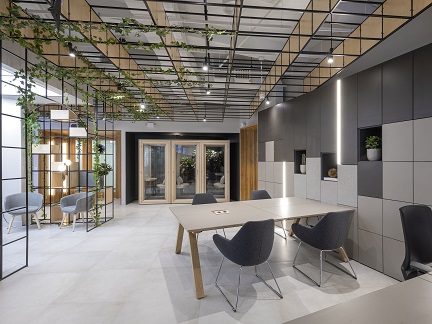
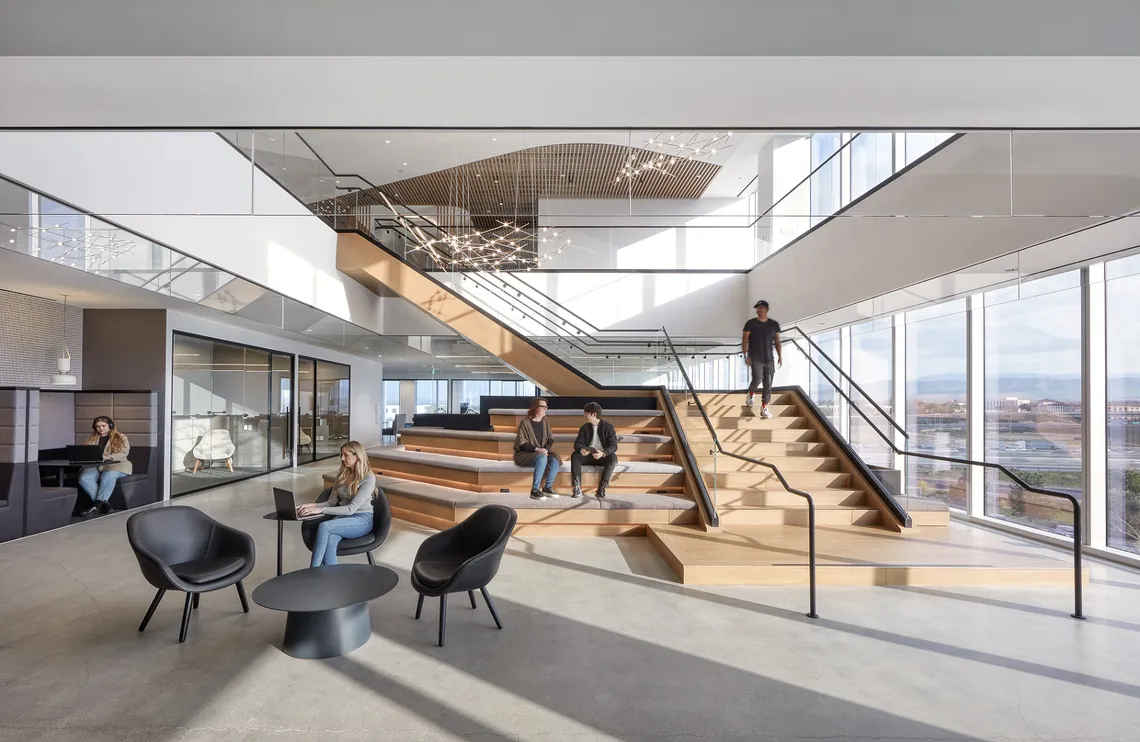
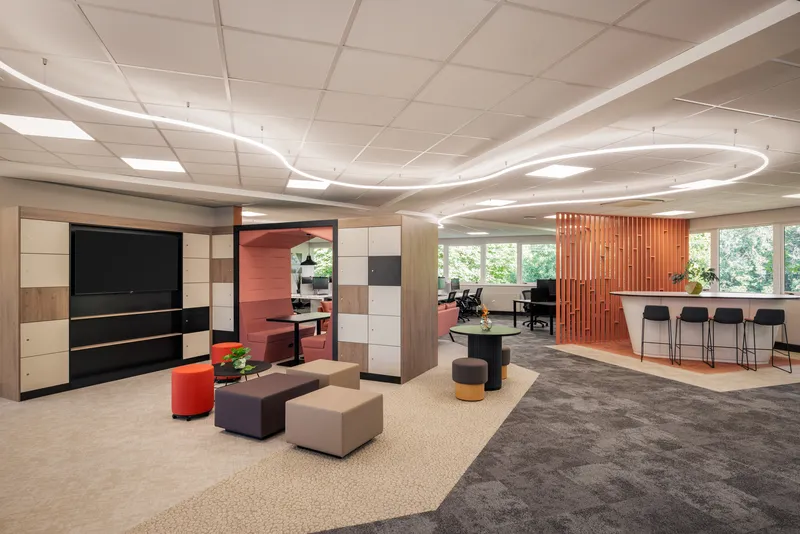
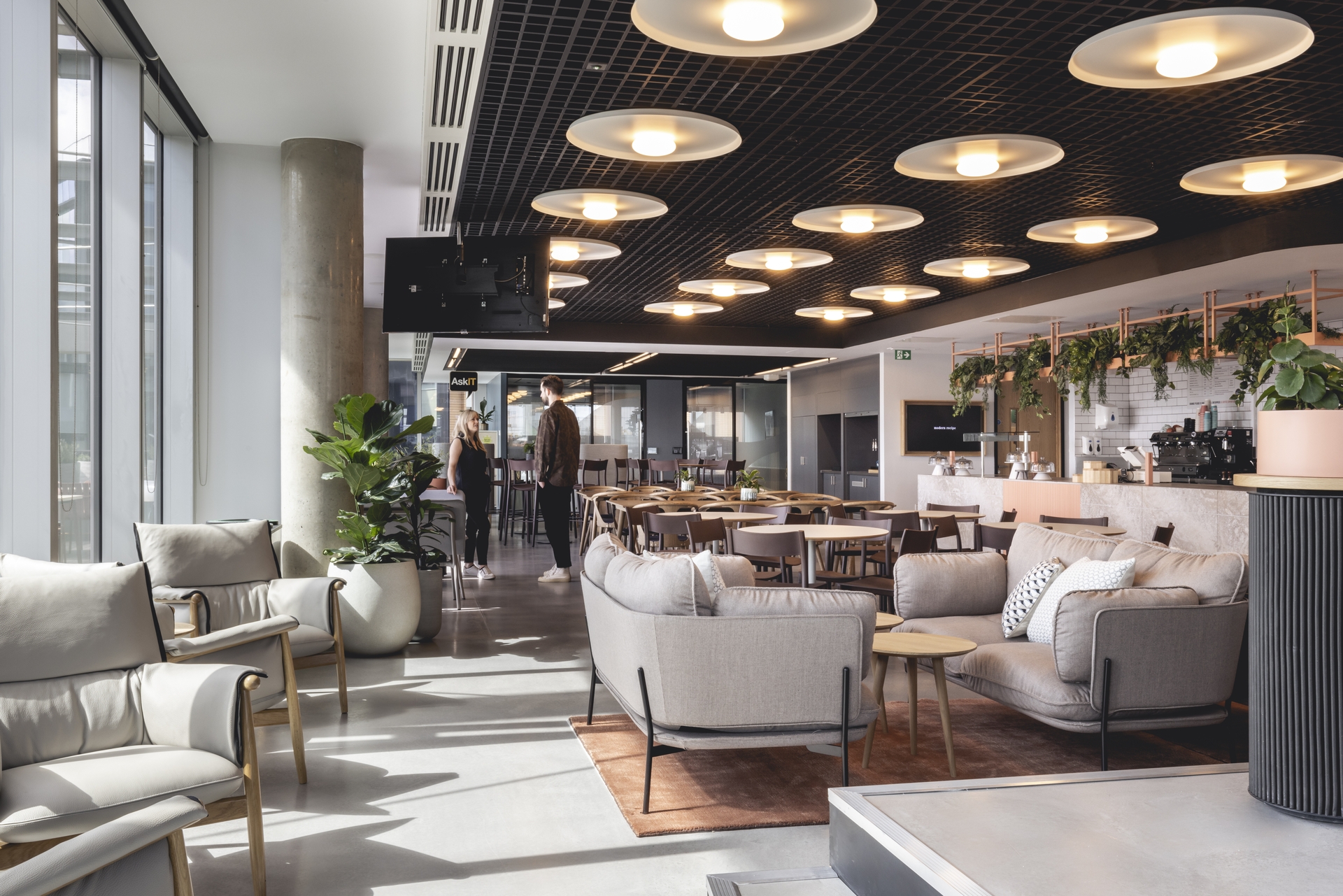
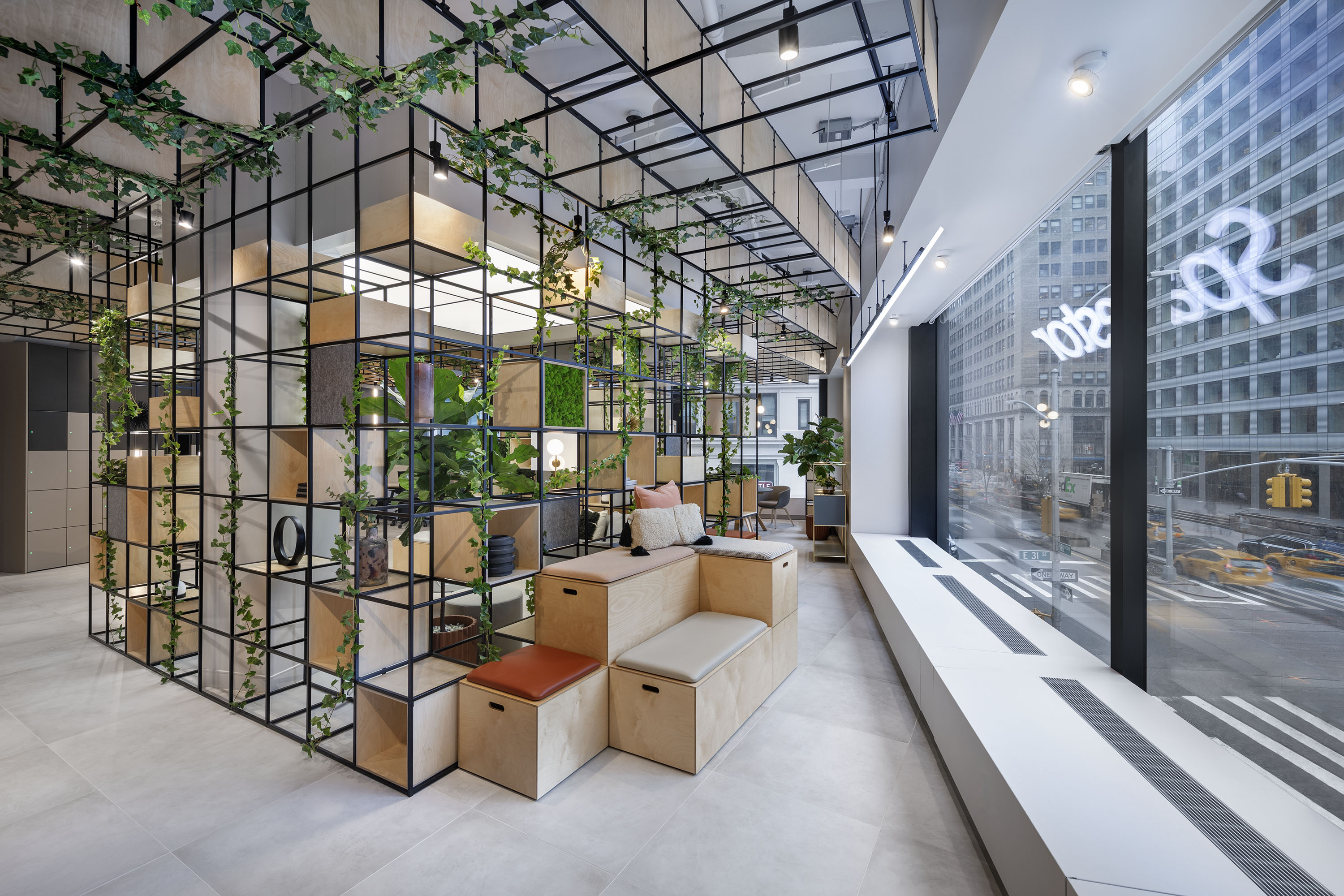
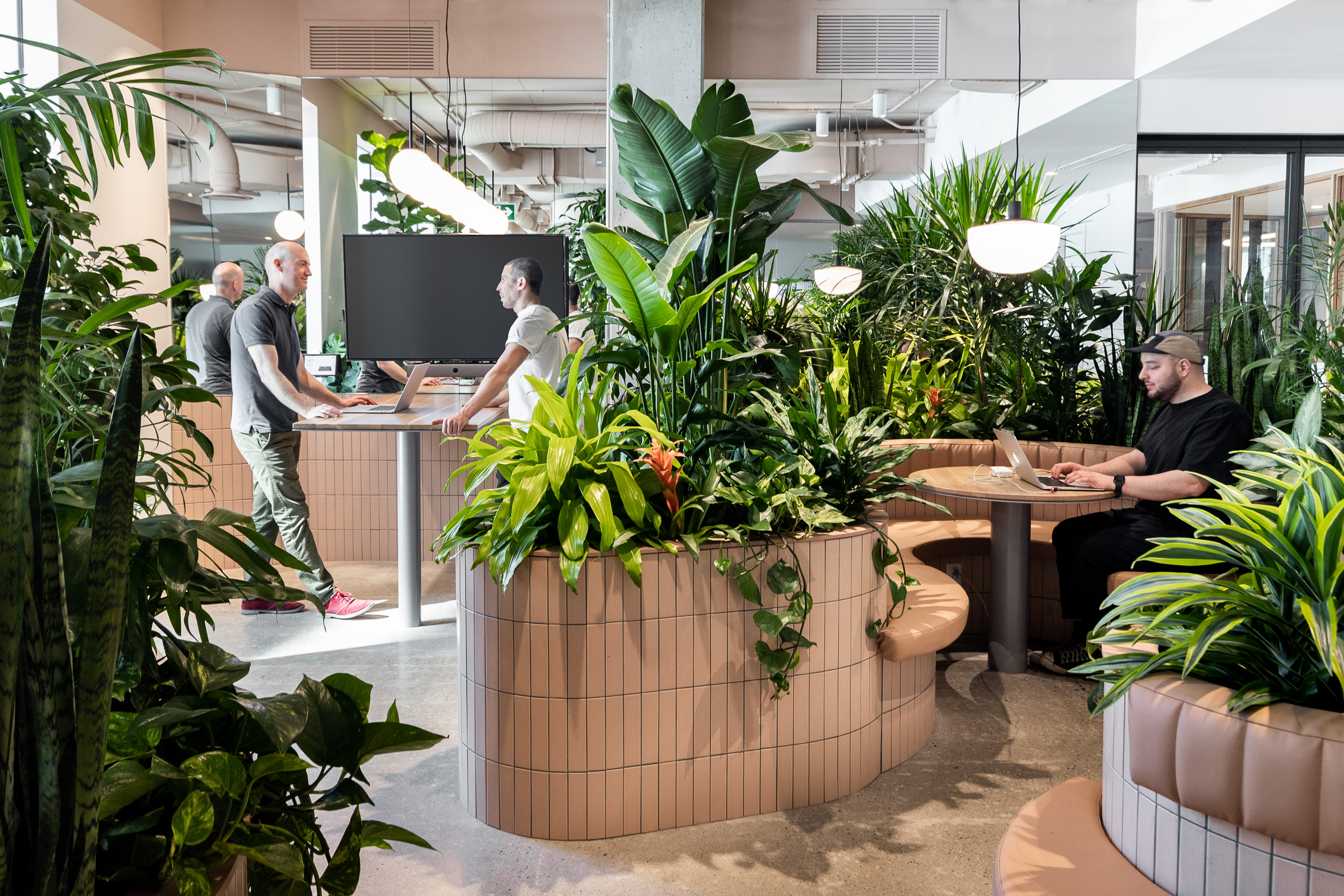
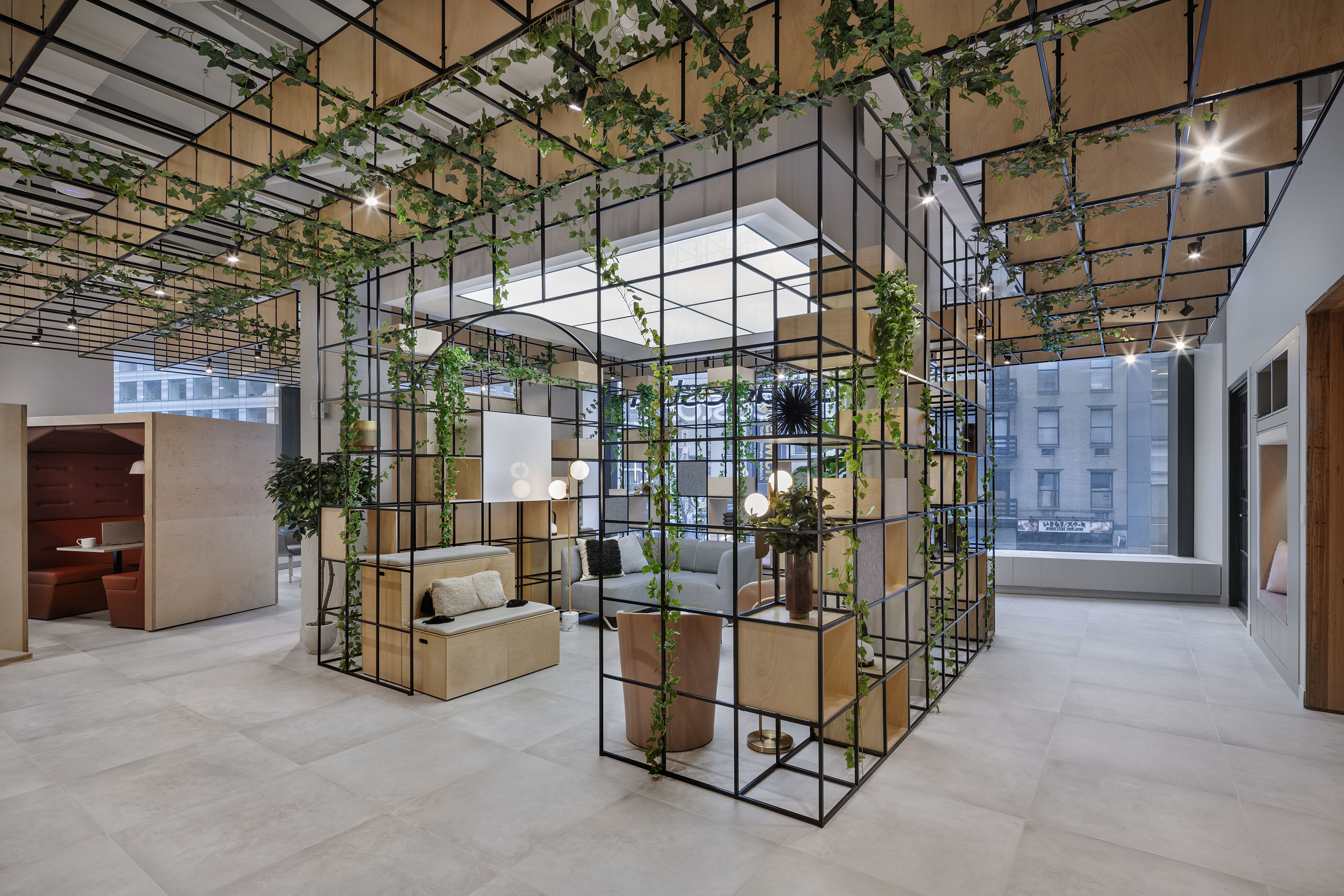
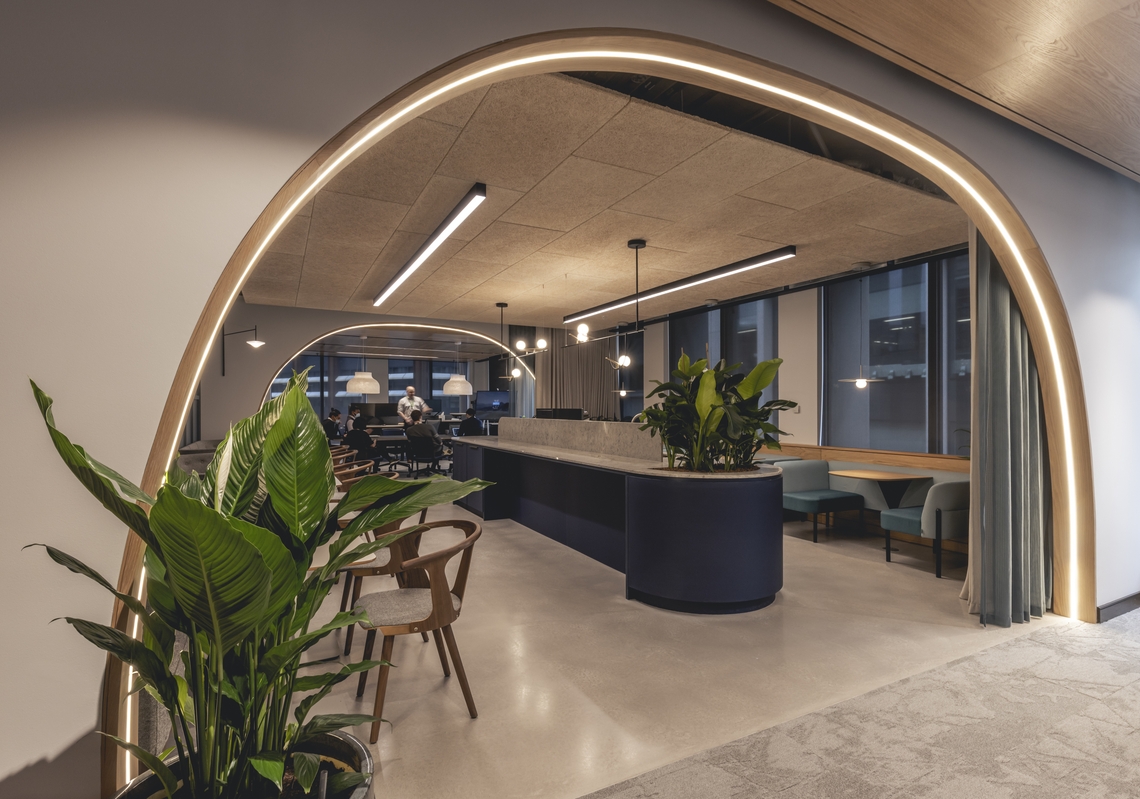
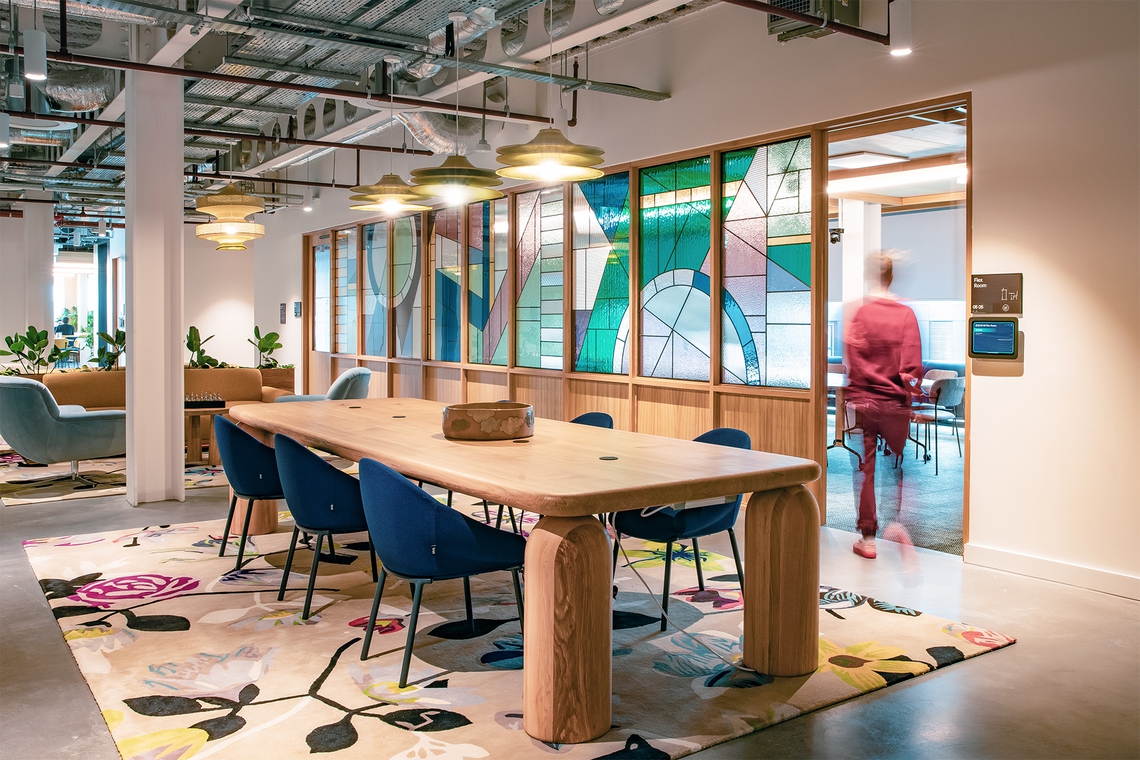
In practice, this looks like offering a genuine range of settings across a floorplate; quiet, enclosed spaces for focused or confidential work, such as pods, collaborative zones like booths designed for spontaneous interaction; and informal areas that support the kind of connection that's difficult to replicate remotely. It also means paying attention to acoustic comfort, natural light, and material choices that signal a workplace has been considered, not just furnished.
Notably, Gensler's research also found that only 14% of employees want a "corporate" workplace experience, with most gravitating instead toward spaces that feel more natural, flexible, and human-centered. This is a meaningful data point for organizations weighing where to invest: the goal isn't simply to impress on a first walkthrough, but to create an environment people continue to choose, day after day.
A Long-Term Investment in Talent
The competition for talent hasn't disappeared with the shift to hybrid working, it has simply moved. Compensation and benefits remain important, but they no longer tell the whole story. Increasingly, the physical workplace is doing recruitment and retention work of its own, whether an organization has planned for it or not.
For workplace leaders, the opportunity lies in treating design as a strategic lever rather than an afterthought, one that reflects the organization's values and gives employees a genuine reason to choose the office over any other place they could work from.
Share this article