2 octobre 2026
Tendances du secteur, Insights Live
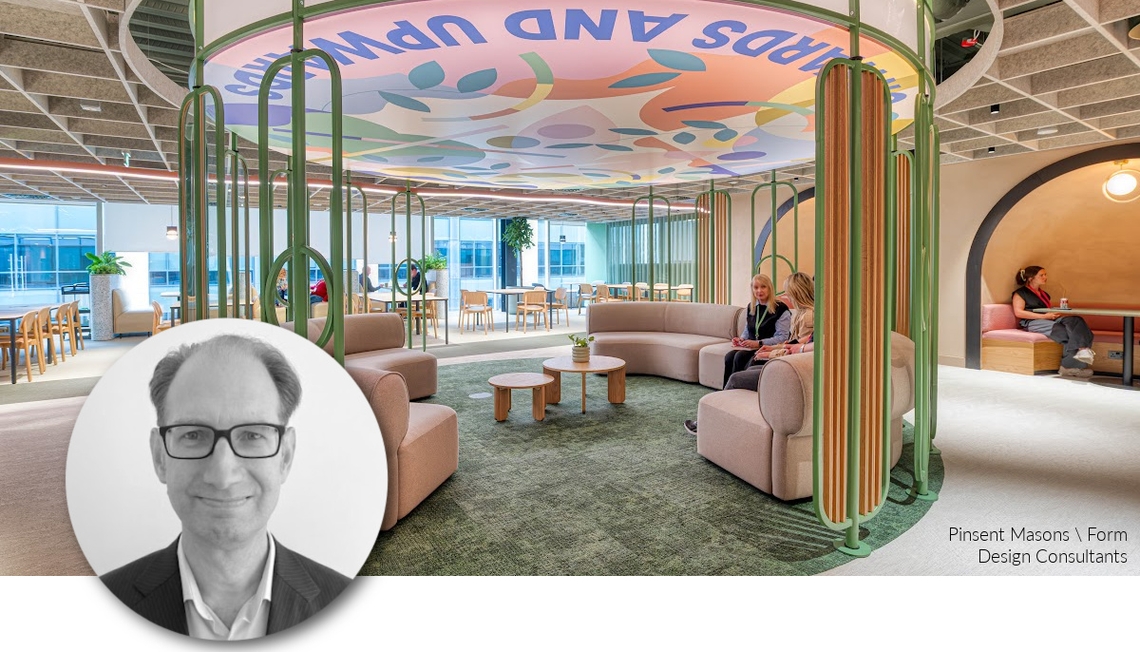
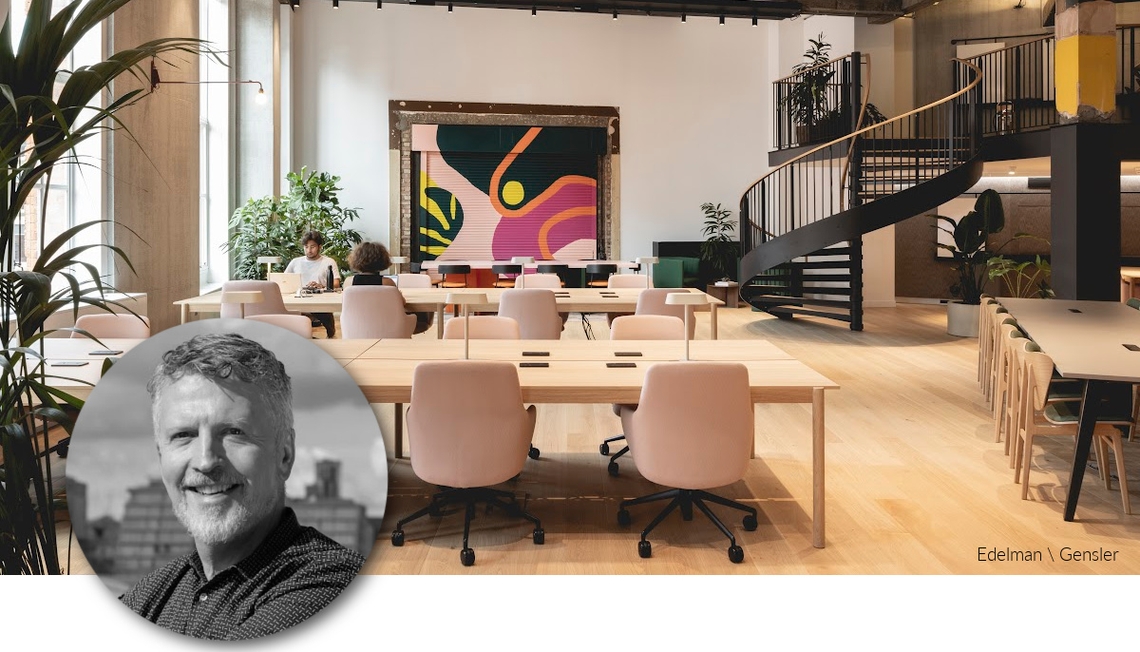
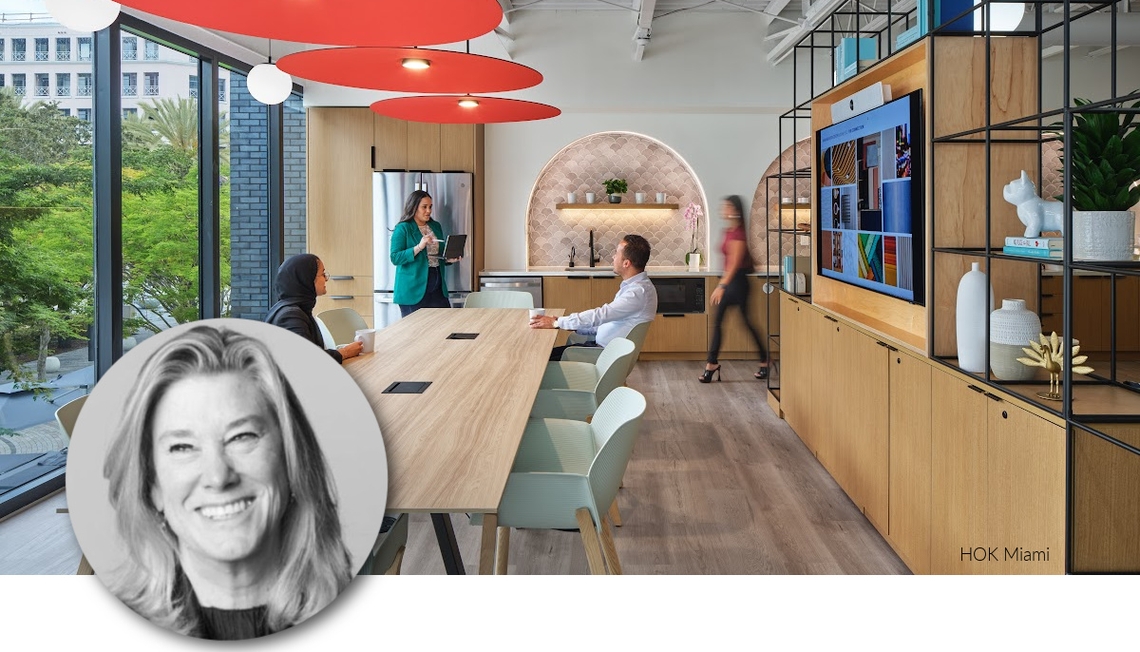
Spacestor's latest insights panel, Global Shifts, Individual Experiences, started with the big economic picture and worked its way in to what it feels like to walk into an office. We were joined by four speakers: economist Dr David Skilling of Landfall Strategy, Collin Burry from Gensler, Kay Sargent from HOK, and Paula Rowntree from Lloyds Banking Group.
Find our highlights and takeaways below!

The Economy: Fine on Paper, Messier Underneath
Dr David Skilling, Landfall Strategy
- The US is the strongest advanced economy, growing around 2.5% to 3%. The UK is under 1%, with a forecast to creep into the low ones.
- Energy costs are the first risk. Diesel and gas have jumped over the last six or seven months, and even if the Strait of - - Hormuz reopens, refined products will take a while to come down.
- Interest rates are the second. David sees the rise as lasting rather than a blip. The last 15 years of very cheap borrowing were unusual, and rates are moving back toward a more normal level. Cost your projects at today's rates and don't expect a return to where they were two or three years ago.
- Supply chains are the third. Shipping costs are up and disruption is now normal. Firms are moving production closer to home (Mexico, Turkey, North Africa), and it's worth paying extra when a deadline matters.
- UK bright spot: the government wants more activity outside London, with public money behind it.
- Inflation tends to be kind to property, so higher rates may not be all bad for real estate.
There is No Single Global Workplace
Collin Burry, Gensler
- Gensler's 2026 survey covers 16,000+ workers in 16 countries. On average people spend about 50% of the week in the office, 18% at home and 26% elsewhere. The UK has the most home working. France and Singapore have the most office time.
- People say they'd ideally be in the office about 61% of the week. They aren't rejecting the office, but the experience has to justify the journey.
- Two thirds of workers are hacking their own workspace, with decor, ergonomics, temperature and privacy fixes. Collin sees that as free design feedback.
- About one in six workers has unassigned seating, and over half of those would rather have a desk. Aim for meaningful choice, not maximum choice.
- Hospitality-style design is now a given on almost every project. Collin separated it from the research that sets the space programme. One is aesthetics, the other is how people actually work.
Neuroinclusion and Neuroaesthetics
Kay Sargent, HOK
- Around 20% to 30% of people are neurodivergent, and 53% of Gen Z self-identify that way. Everyone is affected by light, sound and temperature, just to different degrees.
- Sensory distraction turns into cognitive distraction. You read the same sentence three times, then engagement drops.
- Kay shared a three-part test from the Penn Center for Neuroesthetics: is the space coherent (easy to read), fascinating (some intrigue) and homey (do I feel safe and like I belong)? Strip out all stimulation and you get boring, and nobody wants that.
- Nowhere in nature is there a rectangular white box with strip lighting. Vary light, sound and temperature by zone.
What it Looks Like in Practice
Paula Rowntree, Lloyds Banking Group
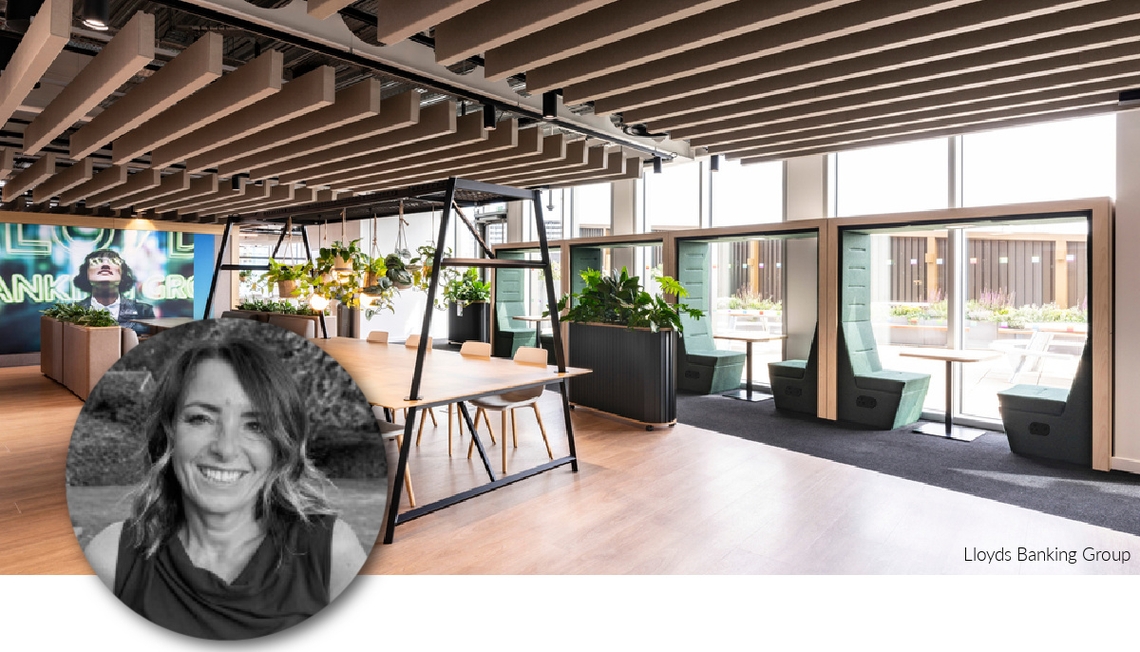
- Lloyds' offices were white boxes Paula described as soulless. Four years on, there are around 60 design standards, applied 90% consistently with 10% left for local flex.
- She visited spaces designed purely for neurodiversity and, as a non-neurodivergent person, struggled in them: dark, linear, silent. Design for one group and you can exclude another.
- Their answer is a noise gradient across the floor, like the deep and shallow ends of a pool. It's loudest by the lifts and quieter further in. Every building now has a sensory map.
- A new joiner in Cardiff, anxious about the open plan, wrote in to say she was now staying at Lloyds for the long term.
- Still to come: Gresham Street in London and Port Hamilton in Edinburgh, which Paula compares to designing a university campus.
From the Q&A
- Where to start on an inclusive floor? Options, choice and variety.
- Ask the people who'll use the space. Collin said clients are less willing to pay for strategy and research than they used to be, and many arrive with a mandate that misses the mark.
- Nobody gets an owner's manual for their workplace, and they should. Paula's team is now working on explaining how each space is meant to be used.
- To stop neuroinclusive design measures being value-engineered out, explain it to facilities managers. A quiet room that's empty half the day may be what lets someone come in at all. Collin added that much of it doesn't cost more.
- Paula pointed out that data and tech talent skews neurodivergent, so if you want those hires, this is a requirement. Kay's reminder: around 80% of business cost is people.
Partager cet article