Prospect and Refuge: Rethinking Neuro-Inclusive Workplace Design
What new research on attention tells us about balancing openness and shelter in the workplace.

Neuro-inclusive workplace design has moved from the edges of the brief to the center of it. As flexible working settles in as the norm (new Acas research published this month found 78% of UK workers consider it important when looking at a job), the office has to work harder for the time people choose to spend in it. For many people, that comes down to getting the sensory balance right.
New research from Corgan, supported by the AIA Upjohn Research Initiative and the University of Arkansas, adds useful evidence. Studying adults with inattentive-type ADHD through cognitive testing, EEG monitoring and physiological sensors, it found that people focused best when awareness of their surroundings was paired with protection. It's a long-established idea, prospect and refuge, and it offers a simple lens for every layout decision. Here's what we're seeing.
1. Why Does Prospect and Refuge Matter in Workplace Design?
Prospect and refuge describes our instinct to see what's around us while feeling sheltered. In a workplace, it's the difference between a seat that feels exposed and one that feels settled.
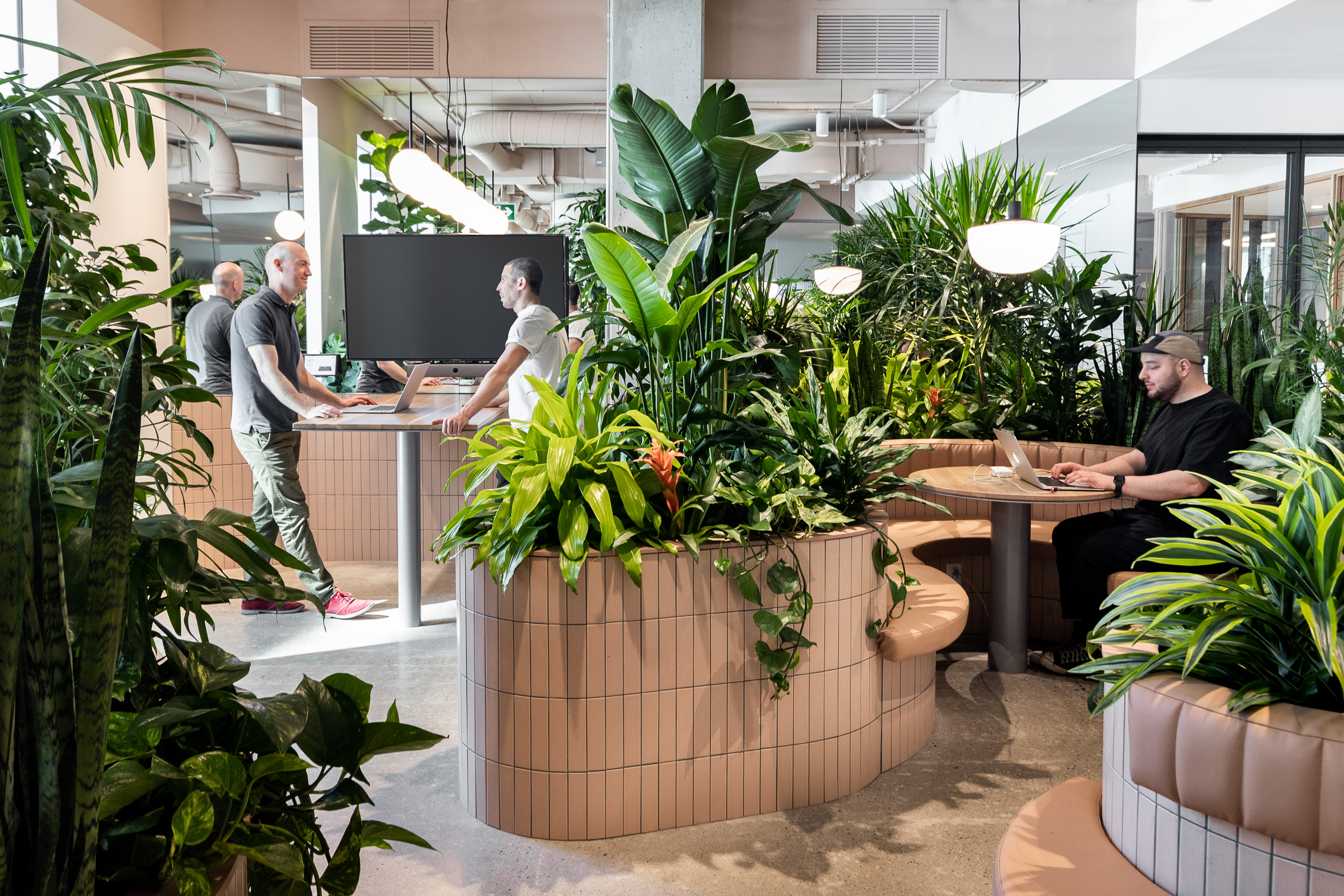
What we are seeing: The Corgan study found that excessive visibility raised cognitive load, often without participants noticing. Fully open settings and fully enclosed rooms both have their place, but the settings in between, with a back, a partial screen and an outlook, are where the research suggests attention is best supported.
Takeaway: Shelter and outlook aren't opposites. The best settings offer both.
2. Visual Distraction Deserves the Same Attention as Noise
Acoustics rightly dominates conversations about focus. The research points to something broader: solutions that reduce visual and auditory distraction together.
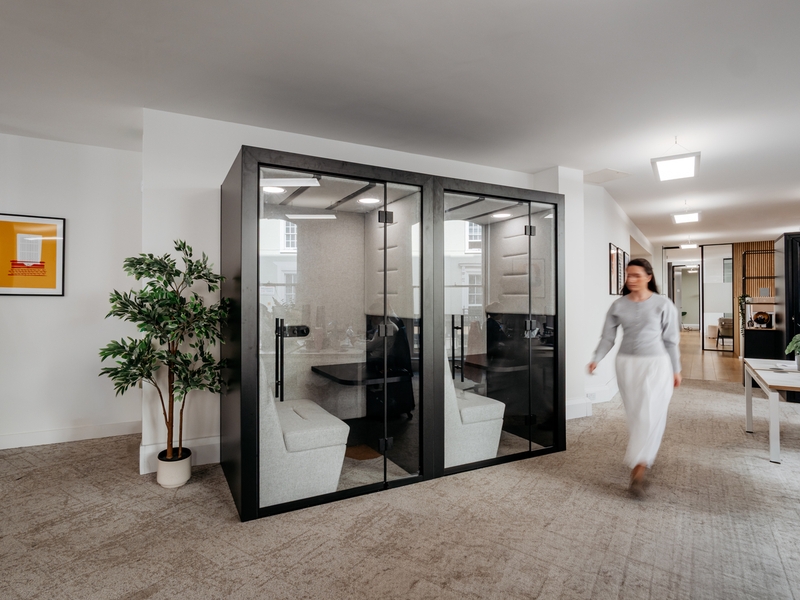
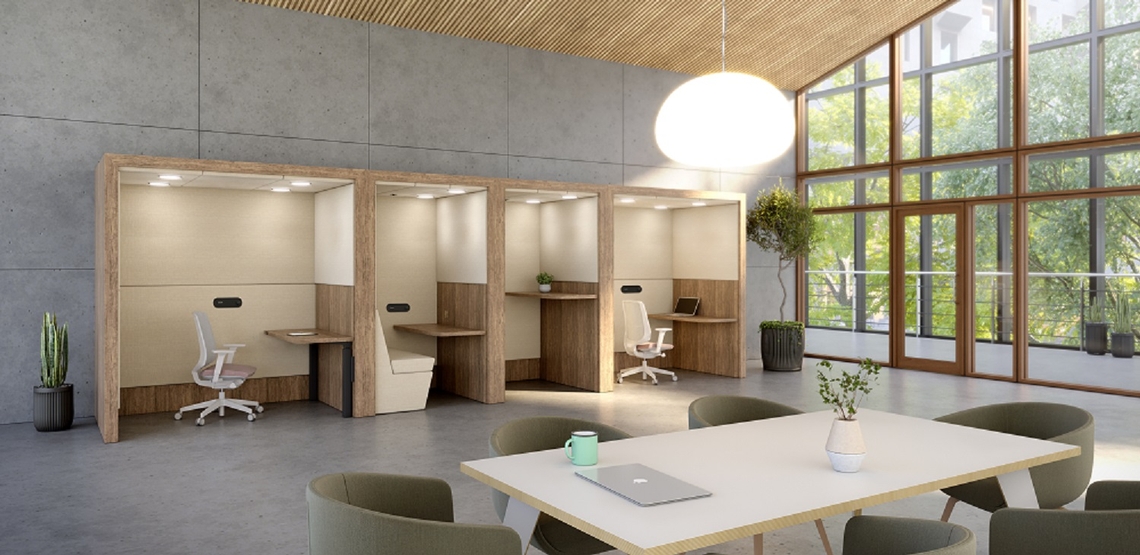
What we are seeing: Semi-enclosed settings are increasingly valued for what they keep out of view as much as for what they absorb. Portals Open, for example, offers individual work spaces connected to the buzz, with enough privacy to get productive work done. Our Workspace Acoustic Guide covers the sound side of the equation in more depth.
Takeaway: When planning for focus, design for the eyes as well as the ears.
3. Light Should Be Layered, Not Uniform
Corgan's participants showed calmer, more sustained attention under diffused, layered lighting, with dimmer direct sources and brighter indirect ones.
What we are seeing: Uniform, bright overhead light is easy to specify but hard to work under for long. User-adjustable lighting within pods and booths, a standard feature across the Portals family, gives people control over their immediate environment.
Takeaway: Control over light matters as much as the light itself.
4. Movement Should Be a Choice, Not a Requirement
The research found that subtle, self-directed movement helped engagement, while continuous or effortful movement increased fatigue and reduced concentration.
What we are seeing: A range of postures across a floor (perches, seated desks, height-adjustable options and soft seating) lets people shift position without being pushed to. Portals Quiet, for instance, offers interchangeable options from touchdown perches to accessible height-adjustable desks.
Takeaway: Offer options for posture, then let people decide.
5. Zoning Without Walls Can Create a Sense of Refuge
Not every quieter zone needs a door. Freestanding zoning creates thresholds and neighborhoods while keeping sightlines and flexibility.
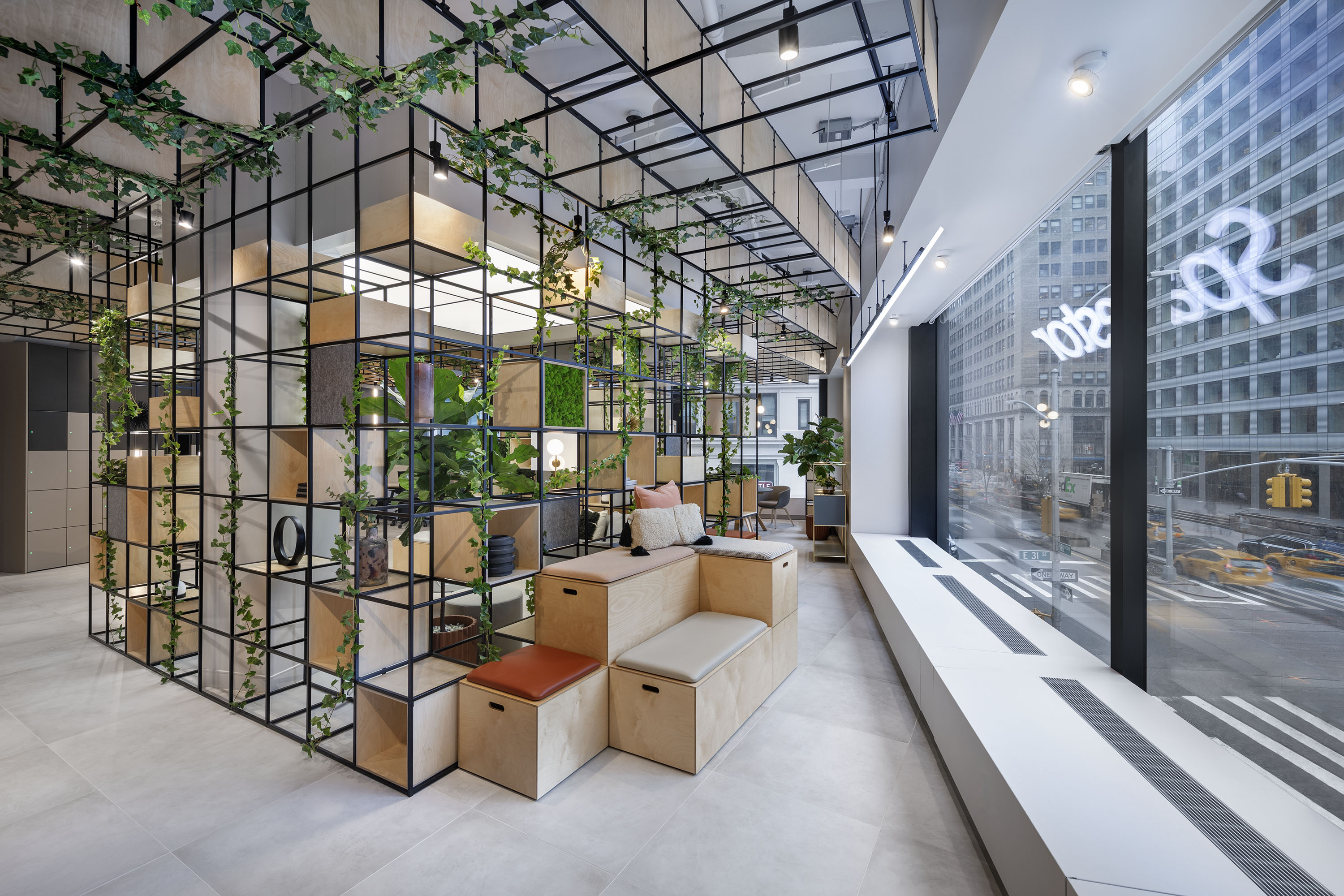
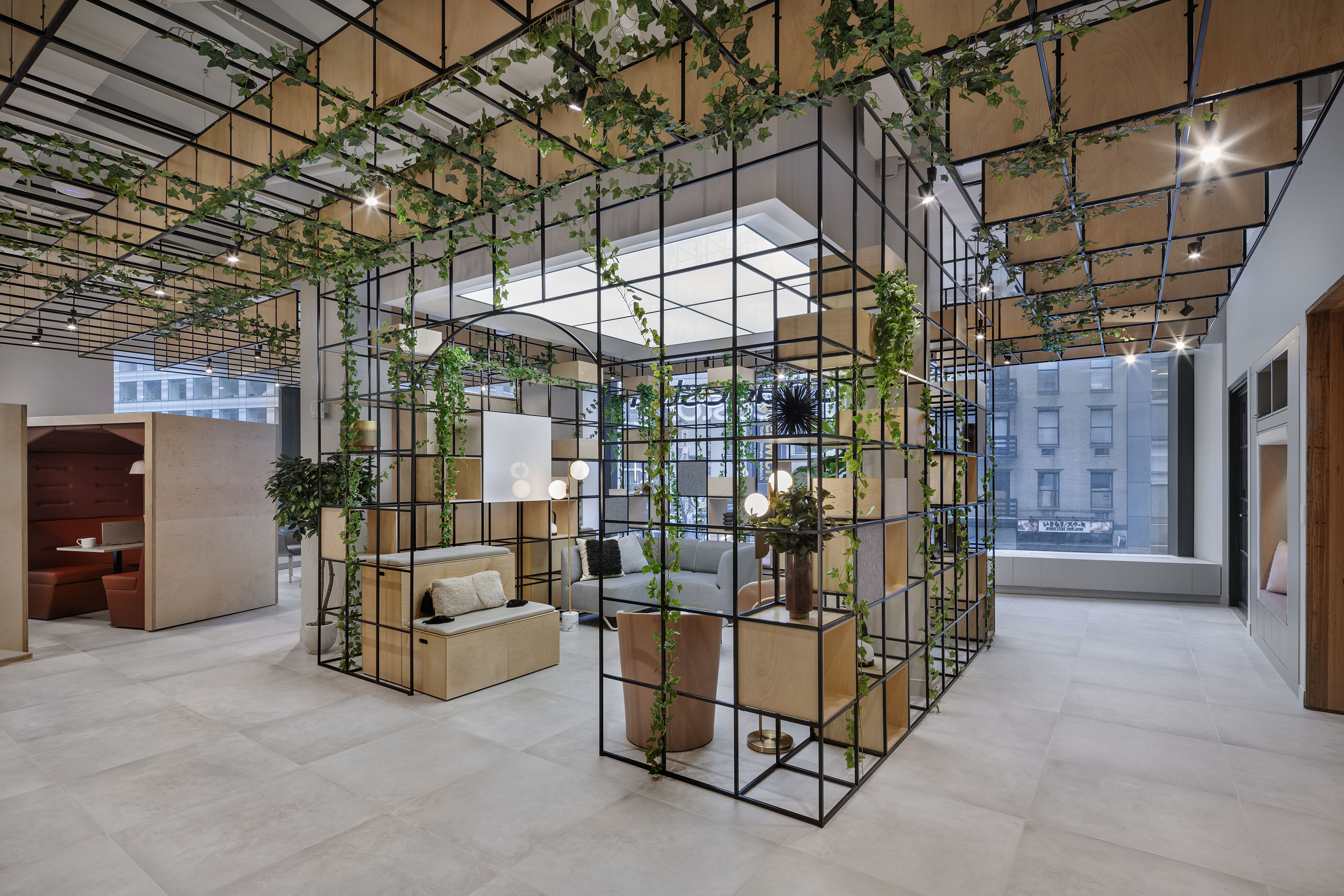
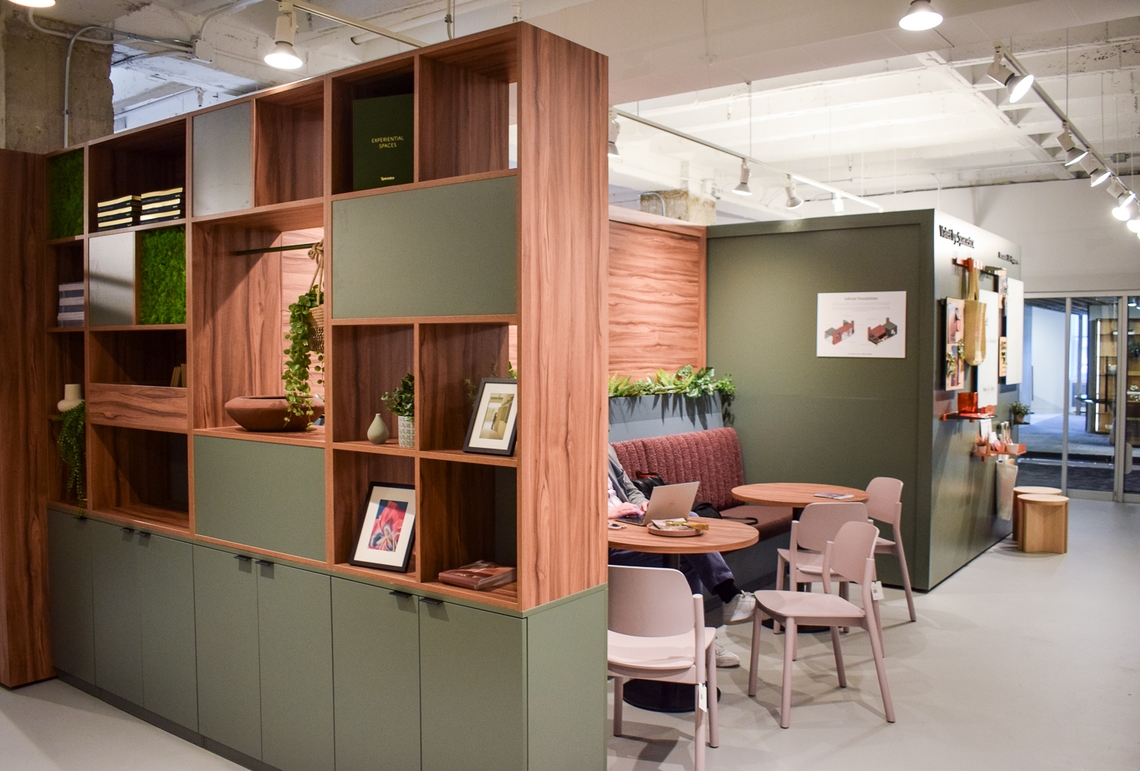
What we are seeing: Shelving dividers with planting and acoustic panels, such as Palisades Wood, define calmer neighborhoods while the floor stays open and adaptable. At Imperial College London, centralized refreshment spaces help keep noise away from focus areas, a planning decision as much as a product one.
Takeaway: A well-placed threshold can do much of the work of a wall.
6. Neuro-Inclusive Design Is Better Design for Everyone
Designing with neurodivergent colleagues in mind tends to improve the workplace for all.
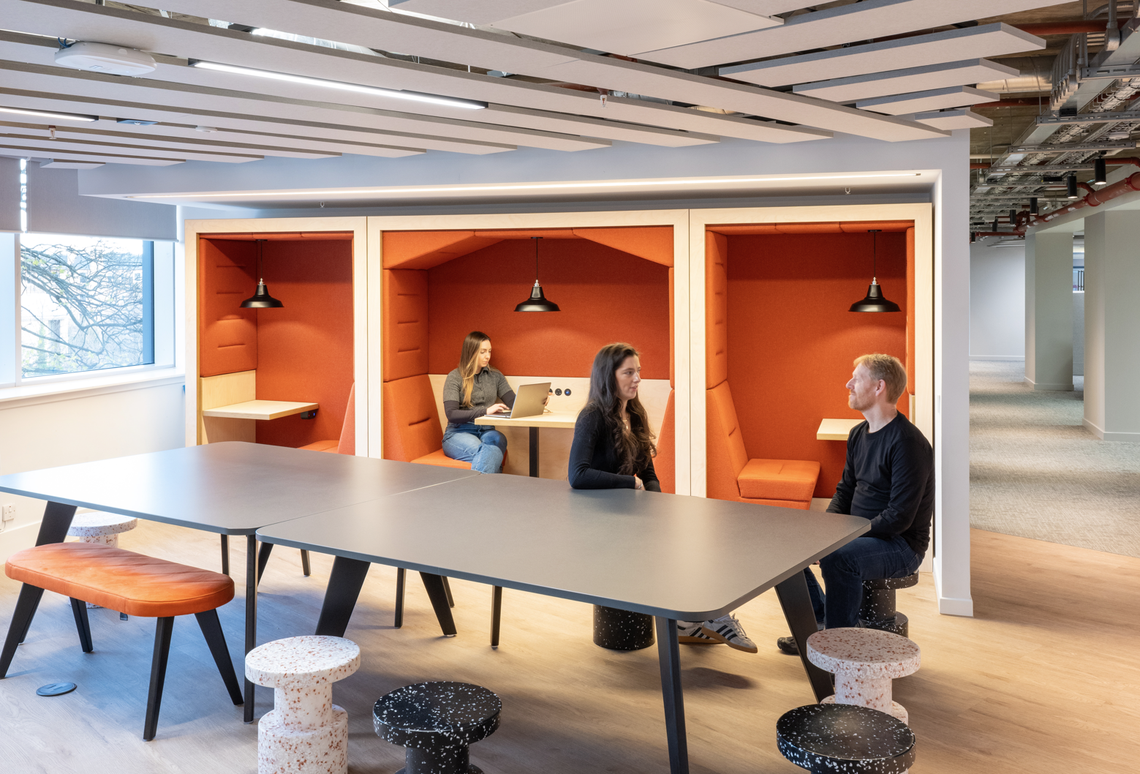
What we are seeing: When Wizu Workspace surveyed its members, private space for video calls, virtual meetings and focus was high on the list, and Portico booths have since been specified across its centers. At BlackRock in Edinburgh, Portals Open booths provide quiet, focused zones that stay connected to the wider workplace. The need for refuge isn't limited to one group.
Takeaway: Neuro-inclusion isn't a niche brief. It's a better brief.
Final Thought
Corgan's study is small, with 20 participants, but its findings echo what the wider conversation about neurodiversity has been saying for some time: people need choice, control and a sense of shelter, without being cut off from the life of the workplace. Prospect and refuge gives designers and workplace leaders a clear, human way to test every layout decision.
Our Neurodiversity whitepaper explores these ideas further through expert interviews and real-world case studies. For more on designing for concentration, read What Kills Focus Fastest - Noise, No Privacy, or Bad Lighting? To discuss any of these points in more detail, or explore how Spacestor could support your next project, reach out below.
FAQs
What is prospect and refuge in office design?
Prospect and refuge is a design principle based on our instinct to see our surroundings while feeling protected. In offices, it means settings with a sheltered back or partial enclosure and an open outlook, so people stay aware of activity around them without being exposed to all of it.
What makes a workplace neuro-inclusive?
A neuro-inclusive workplace offers choice and control: a range of settings from social to secluded, adjustable lighting, acoustic and visual privacy, and options for posture. The aim is to let people match their environment to their needs and the task at hand, rather than adapting to a single default.
Do focus booths help neurodivergent employees?
They can. Semi-enclosed and enclosed booths reduce both noise and visual distraction, and features like user-adjustable lighting and ventilation add personal control. They work best as part of a wider landscape of settings, so people can choose the level of enclosure that suits them.