16 Sep 2026
Industry Trends, Cool Workspaces
When we talk about workplace inclusion, conversations often focus on what people can see: physical accessibility, mobility, visual wayfinding, and neurodiversity. But one aspect of inclusive design has historically received far less attention: hearing.
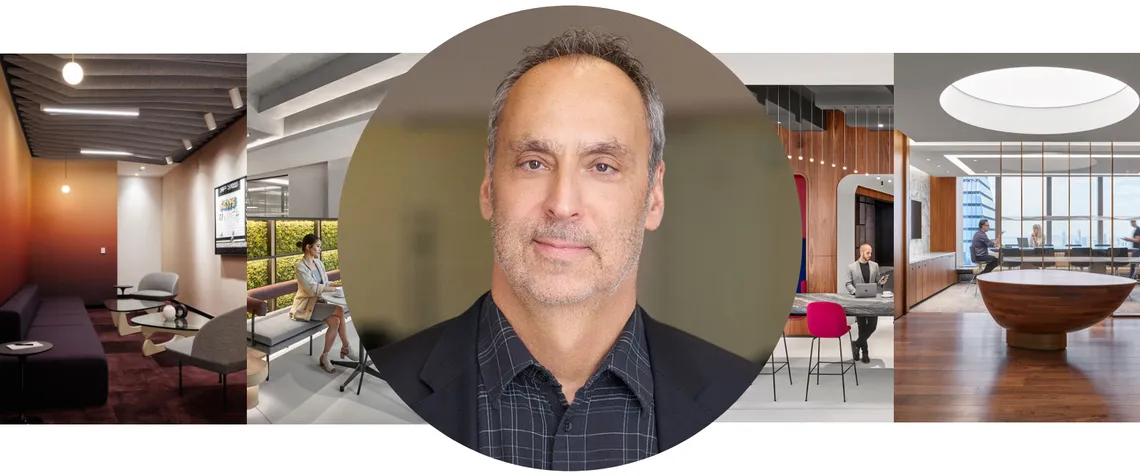
We spoke with workplace design expert David Weinberg, of The Switzer Group, who has been hard of hearing since childhood, about why hearing-inclusive design is moving from specialist consideration to essential workplace strategy.
For many years, being hard of hearing was what David describes as the workplace's "silent disability". People often chose not to disclose it, employers rarely addressed it directly, and workplace design seldom considered how environments could either support or hinder communication.
As awareness grows and hearing loss impacts an increasing number of people across all generations, designers are beginning to rethink how workplaces can better support communication, collaboration, and wellbeing for everyone.

From Accommodation to Better Design
Historically, being hard of hearing carried a stigma that often prevented people from seeking support or even recognising the impact it was having on their daily lives.
"The conversation around those who are hard of hearing has evolved from a muffled whisper to a more open dialogue," explains David. "For a long time, people didn't want to draw attention to it, and many didn't realise how much they were missing until later."
What has changed is not only awareness, but understanding. Designers are increasingly recognising that hearing-inclusive design is not about creating specialized environments for a minority group. It's about creating better environments for everyone. "Designing for people with who are hard of hearing isn't simply about accommodating a disability. Better acoustics, reduced background noise, improved speech intelligibility and more thoughtful room layouts improve communication for everyone."
This shift mirrors wider movements in workplace design. Features originally introduced to support specific accessibility requirements frequently create broader benefits, improving employee experience, engagement and wellbeing across the board.
The Open Plan Challenge
If there is one workplace design feature that consistently creates challenges for people with hearing loss, it's the open-plan office. While open environments are often celebrated for fostering energy, collaboration and community, they can also create significant barriers to effective communication. "The number one culprit is the ubiquitous open plan," says David. "The lack of physical barriers allows background noise and competing conversations to travel freely. For someone that is hard of hearing, everyday communication can become exhausting."
The impact extends beyond hearing ability. Constant exposure to competing conversations, video calls and ambient workplace noise places increased strain on the brain's auditory processing systems. Over time, this can contribute to concentration difficulties, fatigue and heightened stress levels.
Many of us have experienced this ourselves. A colleague's Teams call from across the room can break concentration even when we aren't actively listening. For individuals already working harder to process spoken information, those distractions become significantly more taxing. "When you're working so hard just to listen, it creates fatigue. That cognitive effort has a very real impact on wellbeing."
Why Sightlines Matter as Much as Sound
One of the most interesting insights from hearing-inclusive design is that hearing isn't only about hearing. People experiencing hearing loss often rely heavily on visual information to supplement what they hear. Facial expressions, gestures and lip movements all contribute to comprehension and this means workplace design decisions that seem purely architectural can have a significant impact on communication.
"I've been in countless project meetings where people are seated around a long, narrow conference table," David explains. "When you don't have good sightlines, you lose that visual connection with the speaker. It becomes much harder to follow the conversation."
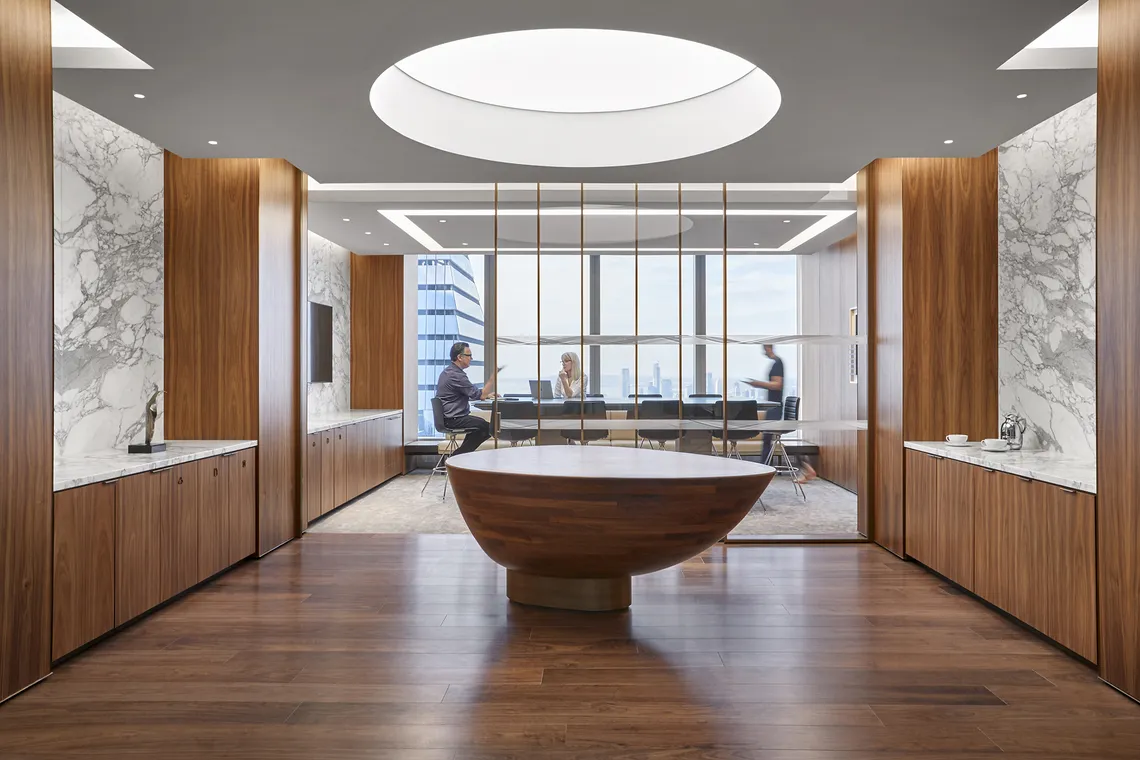
In many organisations, significant attention is paid to finishes, furniture and technology, while more fundamental considerations such as room geometry are overlooked. "The first conversation shouldn't be about the finish of the table. It should be about the shape of the table."
Alternative configurations such as boat-shaped, V-shaped or U-shaped meeting tables can dramatically improve visibility between participants, helping everyone identify who is speaking and engage more naturally in discussion.
Variety Creates Inclusion
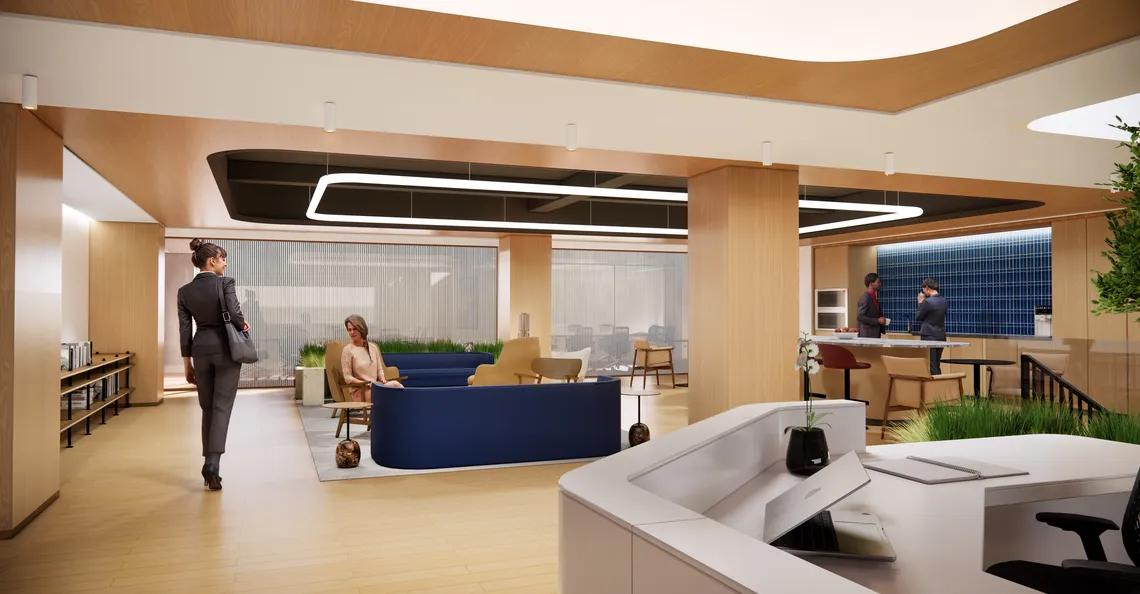
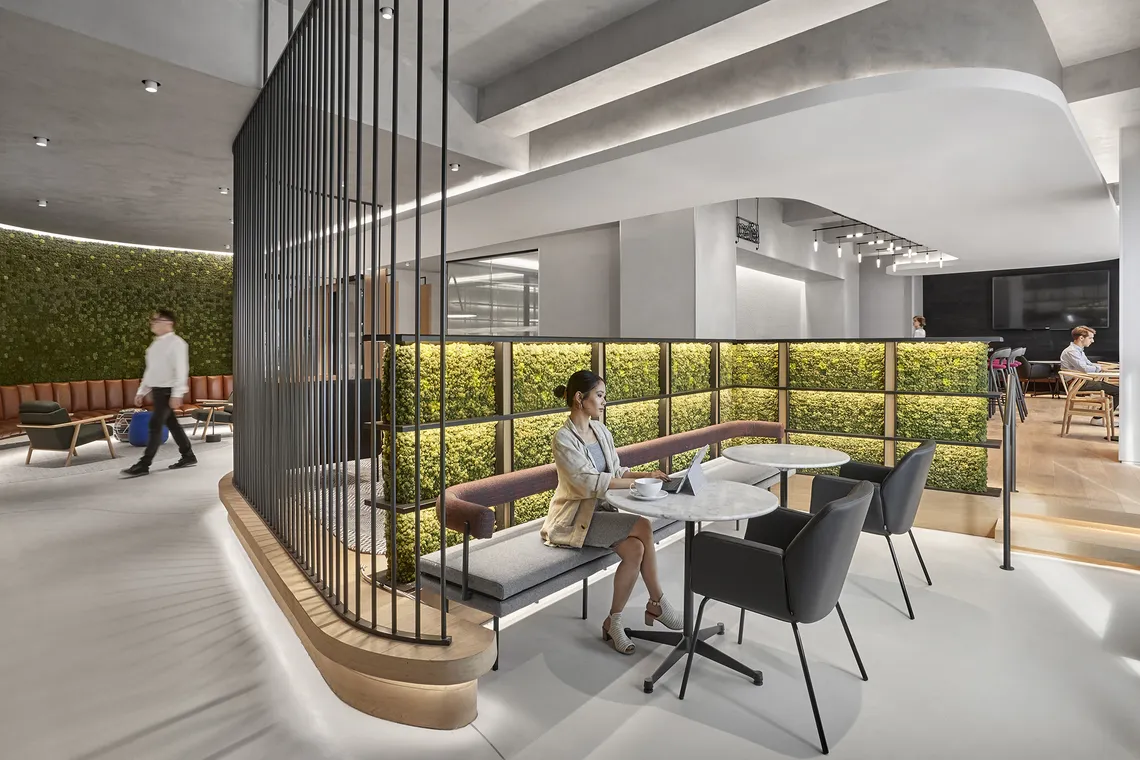
Rather than relying on a single workplace setting, hearing-inclusive environments offer choice. People require different conditions throughout the day depending on whether they are focusing, collaborating, learning, socialising or recharging. The most effective workplaces recognise this and provide a mix of settings designed to support different activities.
"There isn't one perfect space type," says David. "What's important is having a variety of environments and allowing people to move between them depending on their needs."
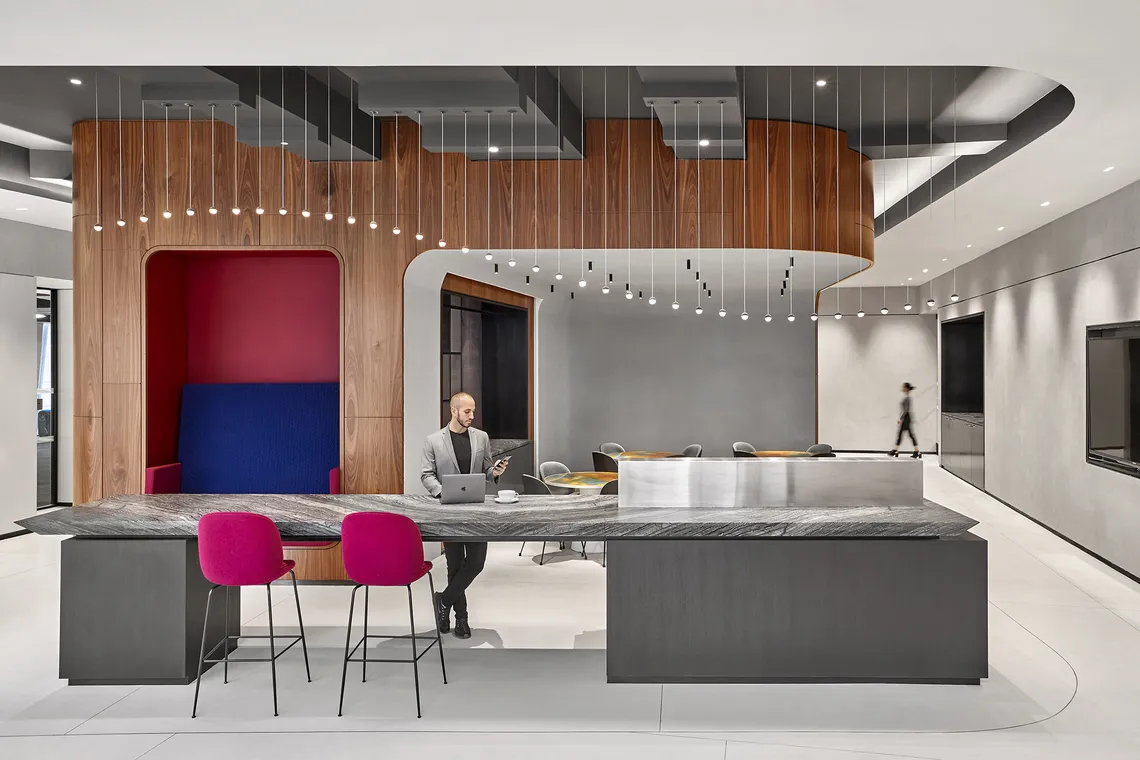
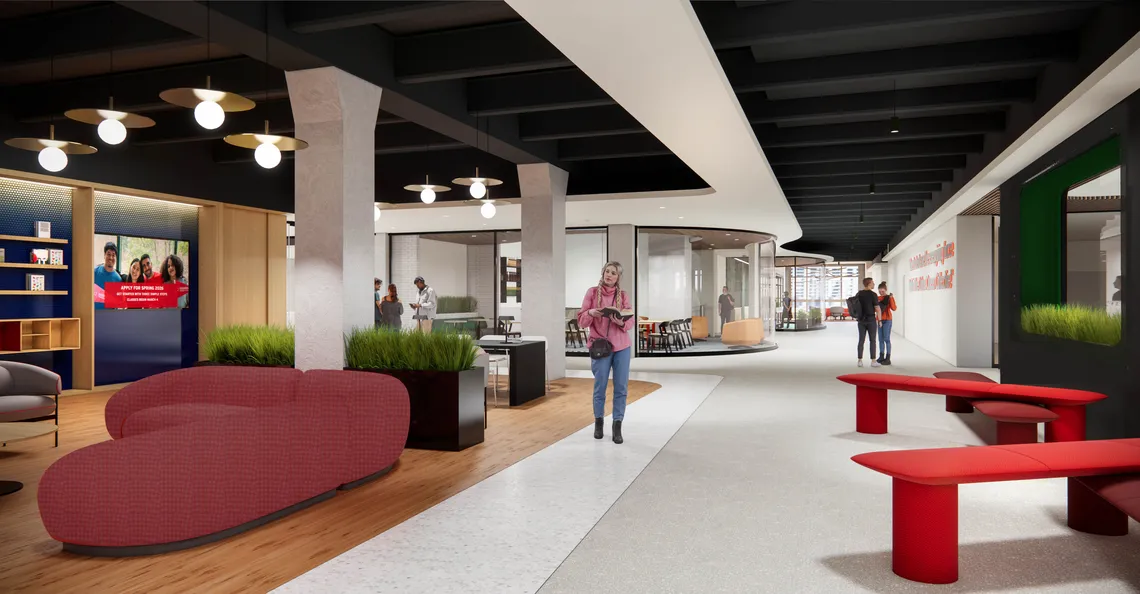
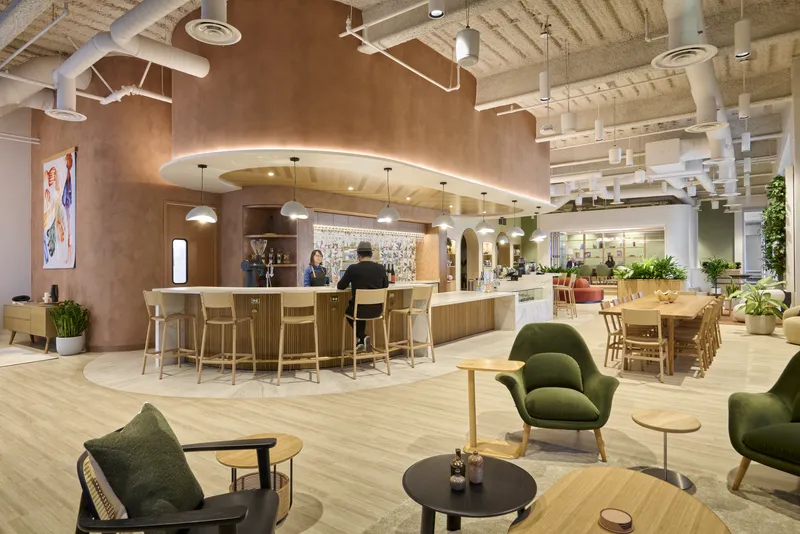
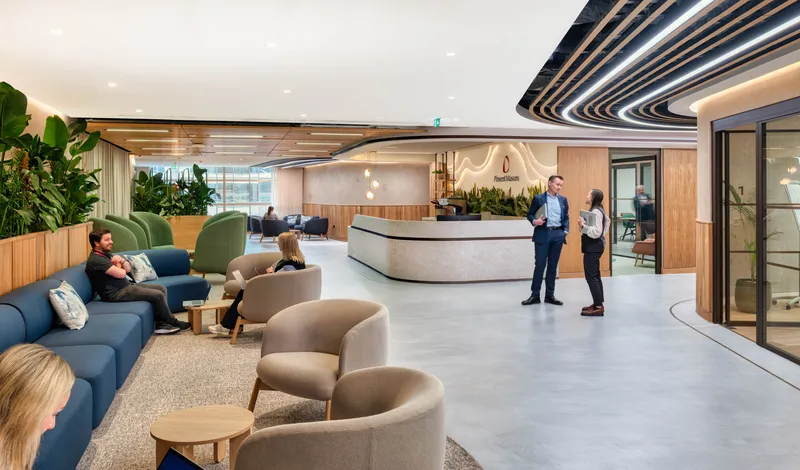
An analogy can be found in modern libraries. Lower levels often support conversation and community activity, while upper floors gradually transition into quieter focus areas. The best workplaces take a similar approach. Active social and collaborative spaces can be concentrated around central hubs, while quieter areas support focused work away from higher traffic zones. Acoustically separated meeting rooms, focus booths, private workspaces and small collaboration areas all contribute to a richer workplace ecosystem. "The goal is to create different acoustic experiences. You can have a zone of conversation next to a zone of concentration without the two disrupting each other."
Importantly, this variety benefits everyone, not just those who are hard of hearing. Employees gain greater autonomy and can select environments that best support the task at hand.
The Hybrid Working Opportunity
Perhaps surprisingly, one of the biggest advancements in hearing inclusion didn't originate in workplace design at all - It came from video conferencing.
When remote and hybrid working accelerated during the pandemic, platforms such as Teams and Zoom transformed how people communicate. While virtual meetings introduced challenges of their own, they also unlocked new opportunities for inclusion. "One of the early observations during COVID was the rise of the introvert," David recalls. "Everyone occupied the same size square on the screen. The hierarchy of the boardroom disappeared."
For those who are hard of hearing, virtual meetings often provided a clearer view of speakers than traditional conference rooms ever could. Features such as live captions, transcripts and personalised audio controls further expanded accessibility. "Suddenly, you had immediate visual access to the speaker. If you rely on facial expressions, lip reading or visual cues, that makes an enormous difference."
The challenge now is translating those lessons back into physical workplaces, ensuring employees have equitable opportunities to participate whether they are joining remotely or sitting in the room.
The Future of Hearing-Inclusive Design
Technology continues to push the conversation forward and among the innovations generating excitement are developments such as Google Beam, which creates a highly realistic 3D communication experience, and Auracast, a new wireless audio broadcasting technology that can stream sound directly to compatible hearing aids and personal devices.
For workplace designers, technologies like these represent something bigger than technical advancement. "What excites me is that they represent a shift toward true inclusion," explains David. "Accessibility is becoming integrated into the experience rather than added later as an exception."
Yet perhaps the biggest opportunity isn't technological at all; It starts with awareness. "Hearing aids should eventually be viewed the same way we view glasses," he says. "The more openly we talk about hearing loss, the easier it becomes to design workplaces that support everyone."
Ultimately, hearing-inclusive design is built on three simple principles: choice, control and connection. When people can choose environments that suit their needs, control how they receive information, and connect meaningfully with colleagues, workplaces become more effective, more engaging, and more human.
And in the process, we create spaces where everyone has the opportunity to be heard.
Imagery Credits:
Wells Fargo – photos by Garrett Rowland for The Switzer Group
BlackRock – photo by Colin Miller for The Switzer Group
LGACC – rendering by Stephen Kandora for The Switzer Group
Amalgamated Bank – rendering by Stephen Kandora for The Switzer Group
Share this article