December 2nd 2025, LONDON: Spacestor unveils its Top Workplace Trends for 2026, capturing the powerful shifts redefining how people connect and create. As flexibility, personalisation, hybrid culture, and intelligent technology converge, the workplace is transforming into a true destination - designed for wellbeing, diversity of workstyles, and meaningful interaction. These trends spotlight the emerging behaviours and bold design innovations reshaping the future, setting the tone for the next generation of human-centred spaces, office pods, and adaptable furniture. Read on to learn more about the top 7 workplace trends for 2026!
1) Workplaces as Connected Ecosystems
Workplaces are no longer isolated office buildings, they are part of a connected ecosystem integrating home offices, co-working hubs, satellite locations and digital platforms. As employees shift fluidly between home → hub → office, organisations must support hybrid working with spaces and technologies that make transitions seamless.
The office becomes a destination for connection, collaboration, community and innovation, supported by digital wayfinding, integrated platforms, and physical infrastructure such as focus pods, collaboration zones and adaptable neighbourhoods. A well-designed ecosystem enhances talent attraction, retention and long-term agility, key priorities as companies redesign their workplace models.
2) Digital Nomadism & Location-Agnostic Work
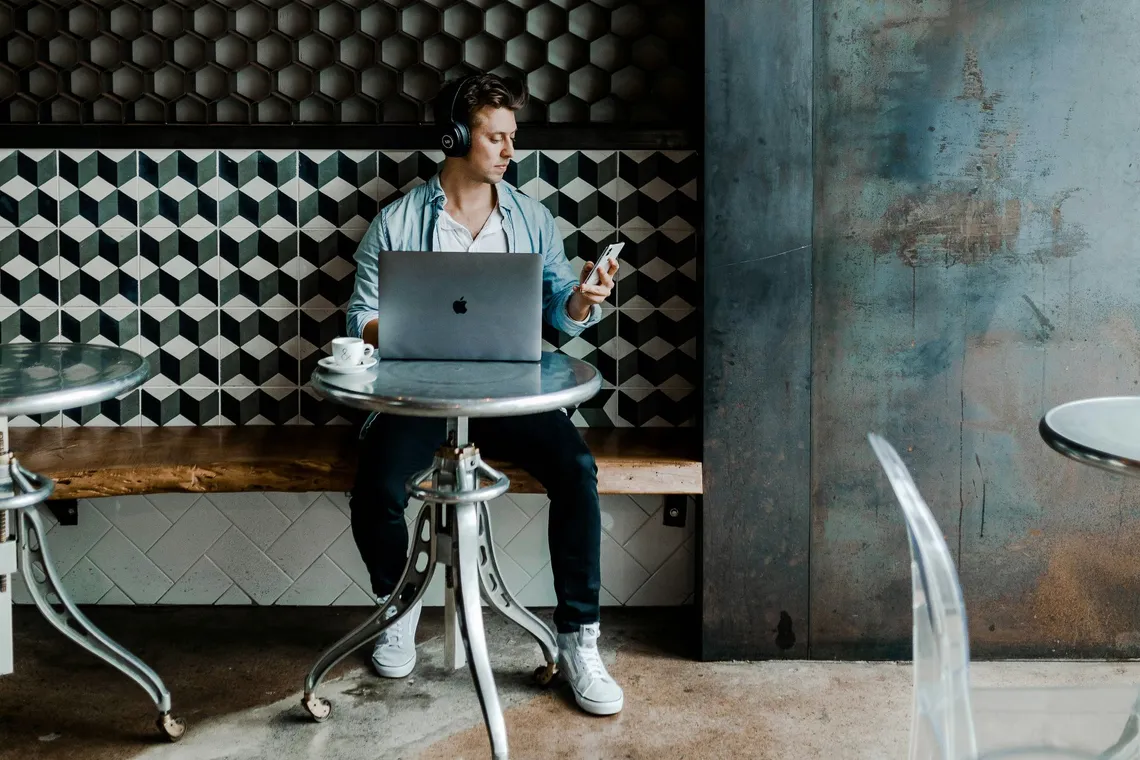
With over 60 countries offering digital-nomad visas, remote work has evolved into a long-term, borderless way of working. Companies must now design policies and workspace experiences that support globally distributed teams operating across multiple time zones.
Physical offices become anchor points for culture, onboarding, and team connection...not just daily attendance. This demands hybrid meeting spaces, flexible collaboration zones and global-ready environments that enable seamless interaction between in-office and remote employees.
3) Return-to-Office (RTO) Tensions
RTO remains one of the biggest challenges of 2026. Only 19% of office workers feel positive about returning full-time, and generational differences add further tension, such as Gen Z, who entered work during remote-first years, and now face a major lifestyle and behavioural shift.
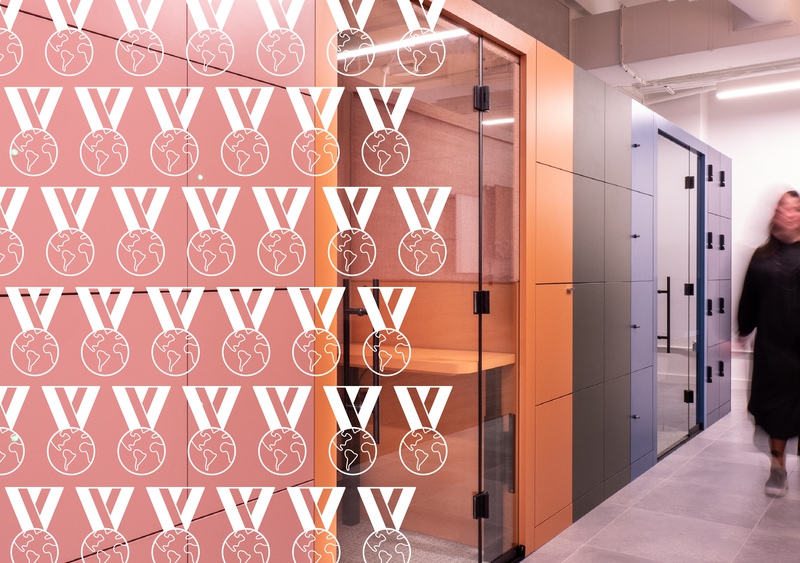
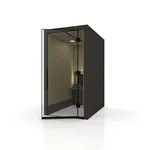
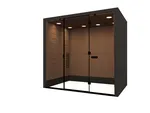
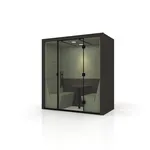
A notable behavioural change is a dramatically reduced tolerance for noise. Employees who once took calls in open-plan areas now instinctively seek privacy, driving demand for more office pods, enclosed focus spaces and quiet zones.
Desk strategy is also shifting away from large-scale hot-desking. Many companies are reinstating team-based neighbourhoods or even assigned desks to improve focus, reduce density and offer employees a sense of stability.
Ultimately, organisations must close the gap between expectations and mandates by creating compelling workplace experiences that genuinely support productivity and belonging.
4) Soft Retirement
With increased life expectancy and pension pressures, many senior professionals are opting for phased retirement, shifting to part-time, advisory or consultancy roles. Research by WTW shows half of UK employees prefer a phased exit vs. an abrupt stop. This soft retirement model also benefits organisations, to retain institutional knowledge, create mentorship opportunities, and maintain engagement while offering flexibility.
This has clear design implications and the need for:
· Multi-generational spaces
· Comfortable yet intuitive furniture
· Inclusive and easy-to-use technology
· UX environments that support accessibility and wellbeing
The rise of soft retirement reinforces the need for workplaces that accommodate a broader range of physical, cognitive and social needs, further aligning with trends in inclusive and universal design.
5) Hyper-Personalization
Hyper-personalisation moves beyond team-based segmentation to focus on the individual employee. Driven by AI, behavioural analytics and real-time data, workplaces will increasingly respond to personal needs:
· Desk presets
· Lighting and temperature profiles
· Modular customisable furniture
· Neuroinclusive settings
· Flexible layouts that adapt to workstyle diversity
Gartner forecasts that 20% of workplace apps will use AI-driven personalisation algorithms by 2028.
A growing shift away from strict clear-desk policies and a reduction in desk sharing also highlights employees’ desire for ownership, routine and a personalised workspace. For employers, personalised environments lead to higher satisfaction, stronger belonging and improved retention, especially important as organisations prioritise neurodiversity and inclusivity.
6) Workplace Hospitality & the “Third Space” Office Experience
As hybrid working gives employees more choice, offices must compete with home, cafés and co-working hubs. The result: an office that feels like a hospitality-led “third space”.
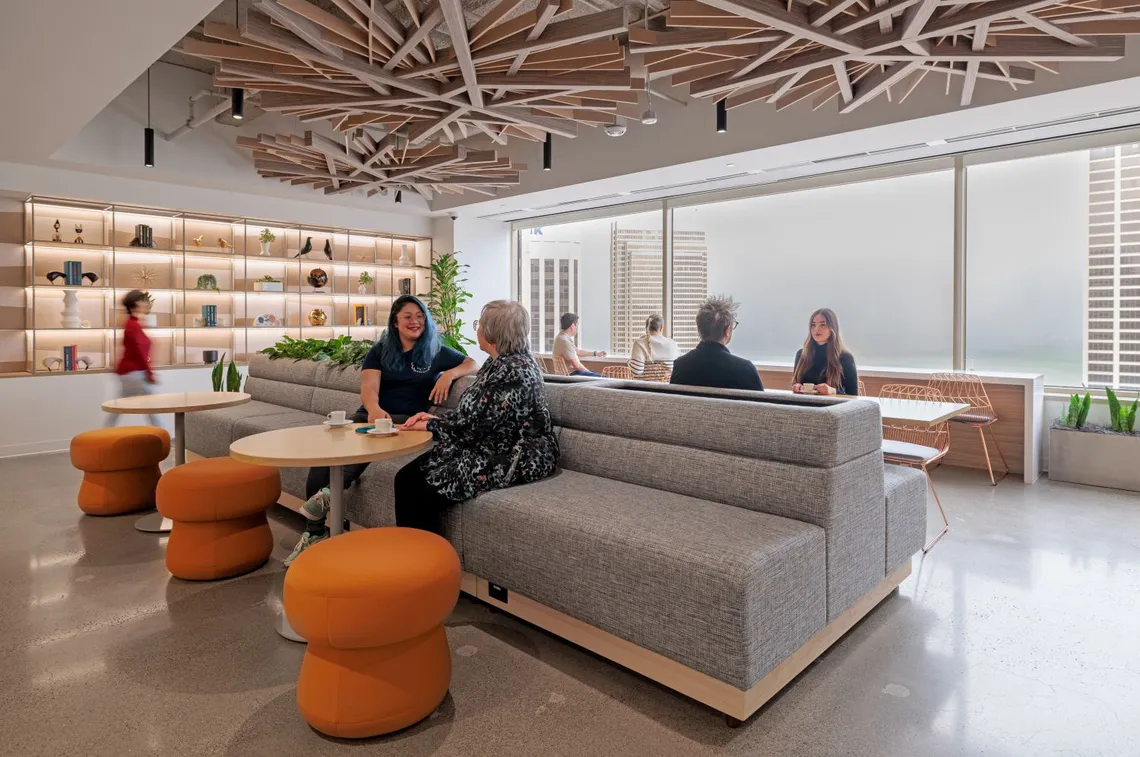
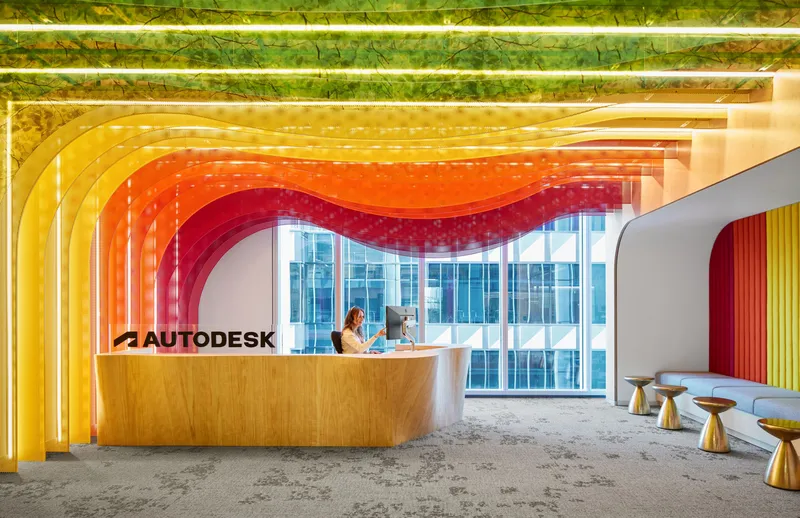
Reception areas will increasingly resemble hotel lobbies, cafés will double as work zones, and concierge-style digital apps will help employees book rooms and services. Surveys show 66% of employees now view the office primarily as a place for collaboration, meaning the environment must deliver an exceptional experience. It should not simply be where you work, it should be where you want to be.
High-quality finishes, curated social zones, amenity-rich layouts and generous public spaces turn the office into a destination that reinforces culture and community.
7) The Blended Workplace: Humans + AI as Co-Workers
2026 marks the start of the blended workplace, where AI and automation function alongside humans. Workflows will include:
· Augmented work zones
· Embedded sensors
· Digital agents present in meeting rooms
· Robotics integration
· Smart spatial systems
This shift requires new thinking around ergonomics, interaction and workspace planning. Offices must accommodate both human needs and machine-based workflows, ensuring environments remain intuitive, adaptive and people-centred even as automation grows.
The workplaces leading in 2026 will be those that embrace flexibility, inclusivity, and human-centred design, supported by technology and grounded in a strong sense of place. From hyper-personalisation and AI-ready spaces, to hospitality-driven environments and connected ecosystems, every trend points toward the same truth: The future workplace must adapt to people - not the other way around.
For organisations looking to attract talent, build culture and strengthen performance, Spacestor’s top trends suggest now is the moment to invest in thoughtful workspace design, adaptable workplace furniture, and employee-driven experiences that make the office not just a place to work, but a place to belong.
About Spacestor – Spacestor is the creator of architectural, space-defining furniture that seamlessly blends California cool with London Design. With a legacy spanning three decades, Spacestor first established itself as a key innovator of workspace furniture and design thinking in the United Kingdom, but today, the company holds offices in London, Manchester, Los Angeles, Philadelphia, Chicago, and New York City - giving them a unique position to observe and learn from some of the most creative and successful global companies. From their long-term engagements with clients like Google, JP Morgan, and Pfizer, Spacestor knows how a sustainable workspace environment drives organizational goals, whether building great team culture in a hybrid world or exciting people to be back in the office again.