From Rooms to Relationships: What AI Means for Workplace Design
As AI reshapes how work gets done, the office is being redesigned around the one thing it can't automate: people working together.

AI is changing what a working day looks like faster than most workplaces can be redesigned. New Microsoft research published on 21 October showed that 84% of UK business leaders believe Britain can become a world-leading AI economy within five years, while only 41% of employees share that confidence. And this week, ORGATEC opened in Cologne (27–30 October) with its first-ever central theme: "From rooms to relationships."
Put those two stories side by side and a clear question emerges for AI and workplace design. If more tasks are handled by software, what is the office for? The latest research, and the conversations from our recent Global Shifts, Individual Experiences webinar, point to some clear answers.
1. AI Is Changing Working Practices, Not Just Tools
AI adoption is no longer a pilot project. Among UK organizations already adopting AI, 84% report moderate or significant changes to working practices, according to the Microsoft research. Generative AI adoption in the UK rose from 36.6% in the first half of 2025 to 43.7% by the second quarter of 2026.
Yet 35% of employees worry AI has reduced their job security. Change at that pace affects how people feel about work, not just how they do it, which means workplaces now need to support confidence as well as productivity.
2. Why Is AI a Catalyst for Office Redesign, Not Reduction?
AI is prompting organizations to rethink space, not simply shrink it. In CBRE's 2026 Americas Office Occupier Sentiment Survey, 37% of companies anticipated some headcount reduction due to AI, yet only 4% of those planned significant space reductions within three years.
Instead, half of respondents expect AI to drive more flexible, reconfigurable space, 36% expect higher-quality amenities and 30% expect demand for specialized environments. CBRE describes AI as "a catalyst for office redesign." The question is no longer how much space an organization needs, but what kind.
3. The Heaviest AI Users Are the Most Connected
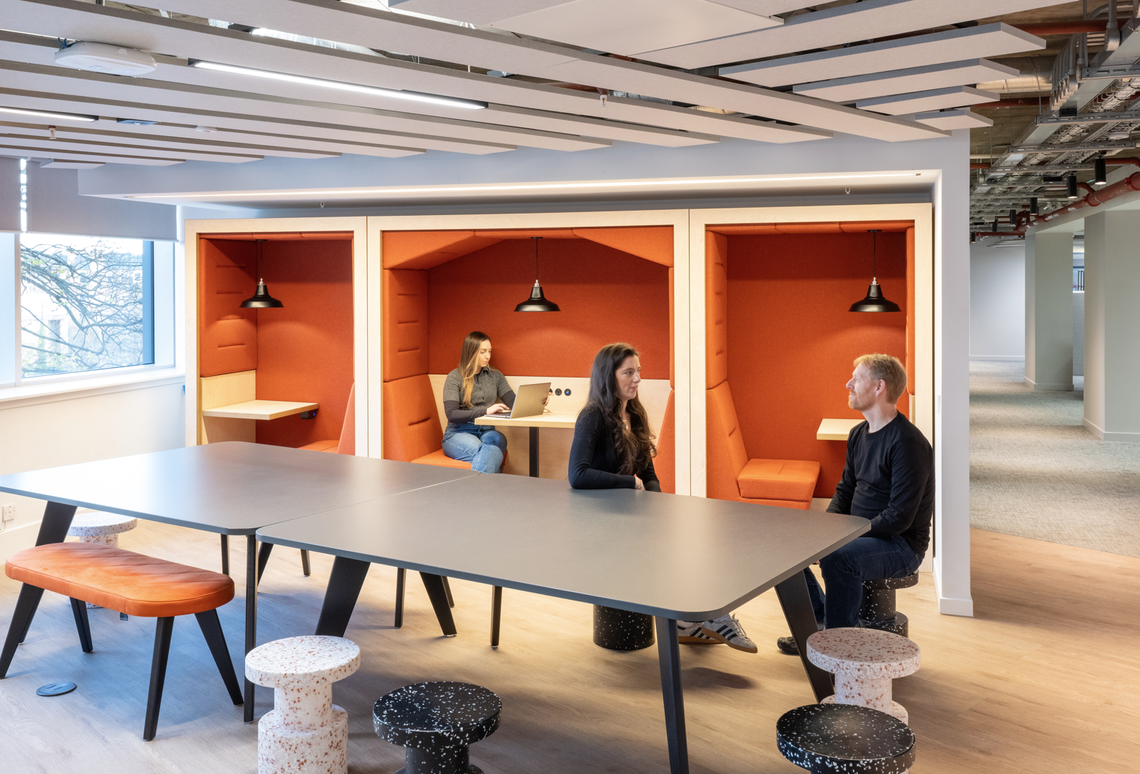
It would be easy to assume AI makes work more solitary. The data suggests the opposite. Gensler's 2026 Global Workplace Survey of more than 16,400 office workers found that AI Power Users spend 37% of their workweek working alone, compared with 42% for late adopters.
The same group spends more time learning (12% versus 8%) and socializing (11% versus 9%). As AI absorbs routine tasks, the human parts of work, from mentoring to problem-solving, take up a larger share of the week. That is where design attention belongs: on the spaces that support learning and connection.
4. People Are Already Adapting Their Space
When the workplace falls short, people fix it themselves. Gensler found that two-thirds of employees modify their workspace to make up for shortcomings, and one in four have made do-it-yourself fixes for ergonomics, temperature or visual privacy.
Collin Burry of Gensler shared this finding during our webinar panel, in a session on designing for individual agency. Each workaround is a signal of an unmet need, whether that's a quieter place to focus, a better spot for a video call or simply more control. Treated as a brief rather than a nuisance, those signals show exactly where a workplace needs to work harder.
5. From Rooms to Relationships
ORGATEC's 2026 theme reflects a wider shift in how the industry talks about space. The fair frames it around two megatrends: human-to-human experience, and transition, which treats adaptability as a core organizational skill.
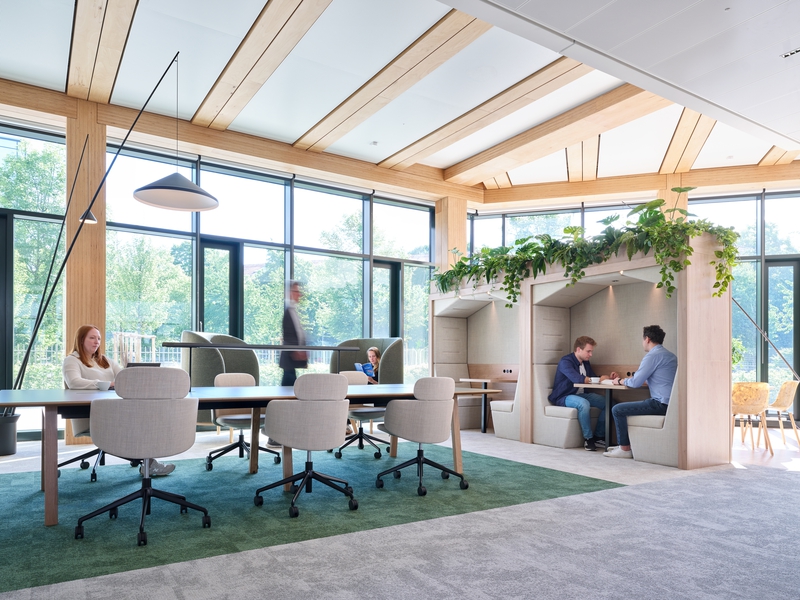
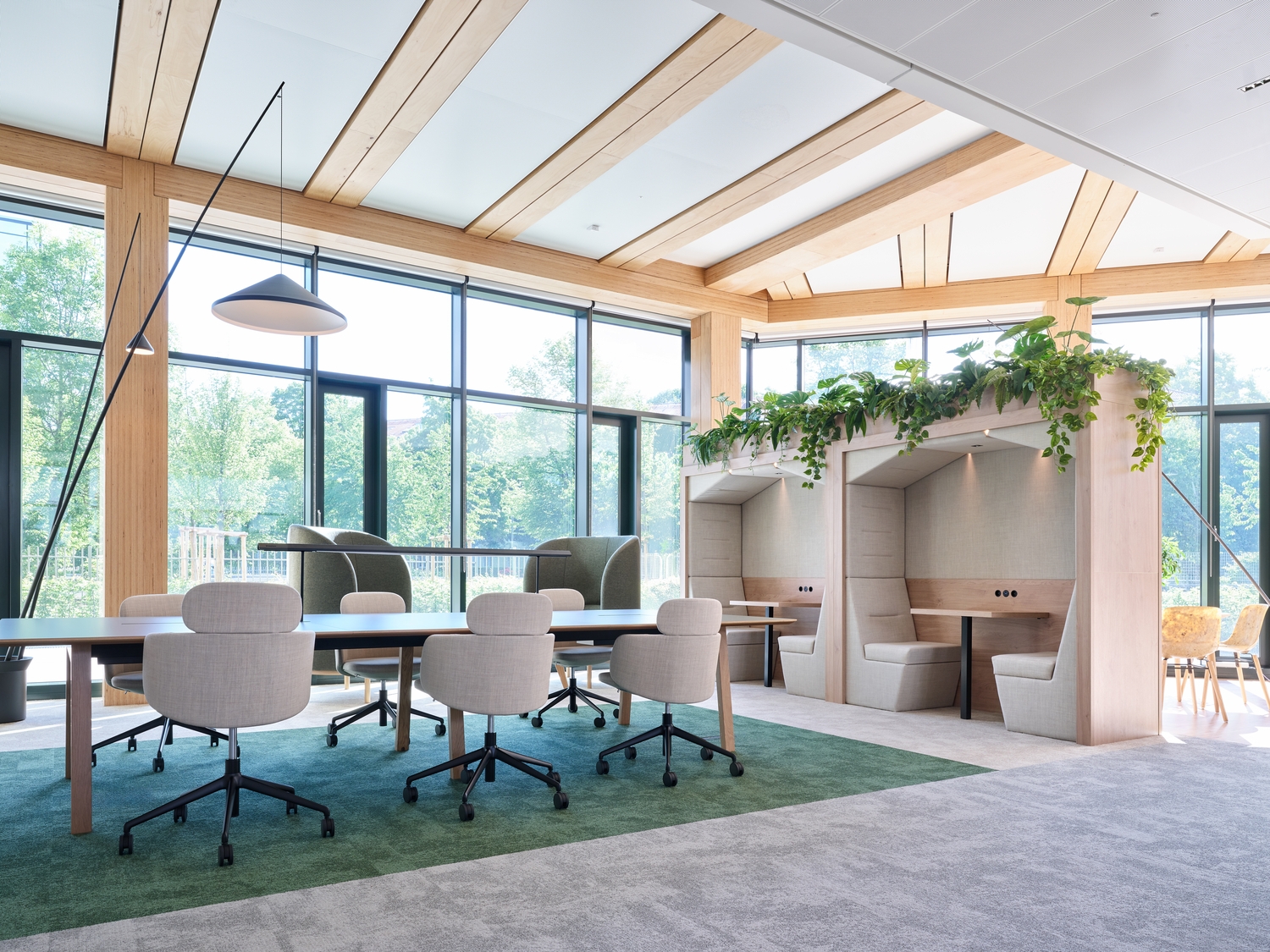
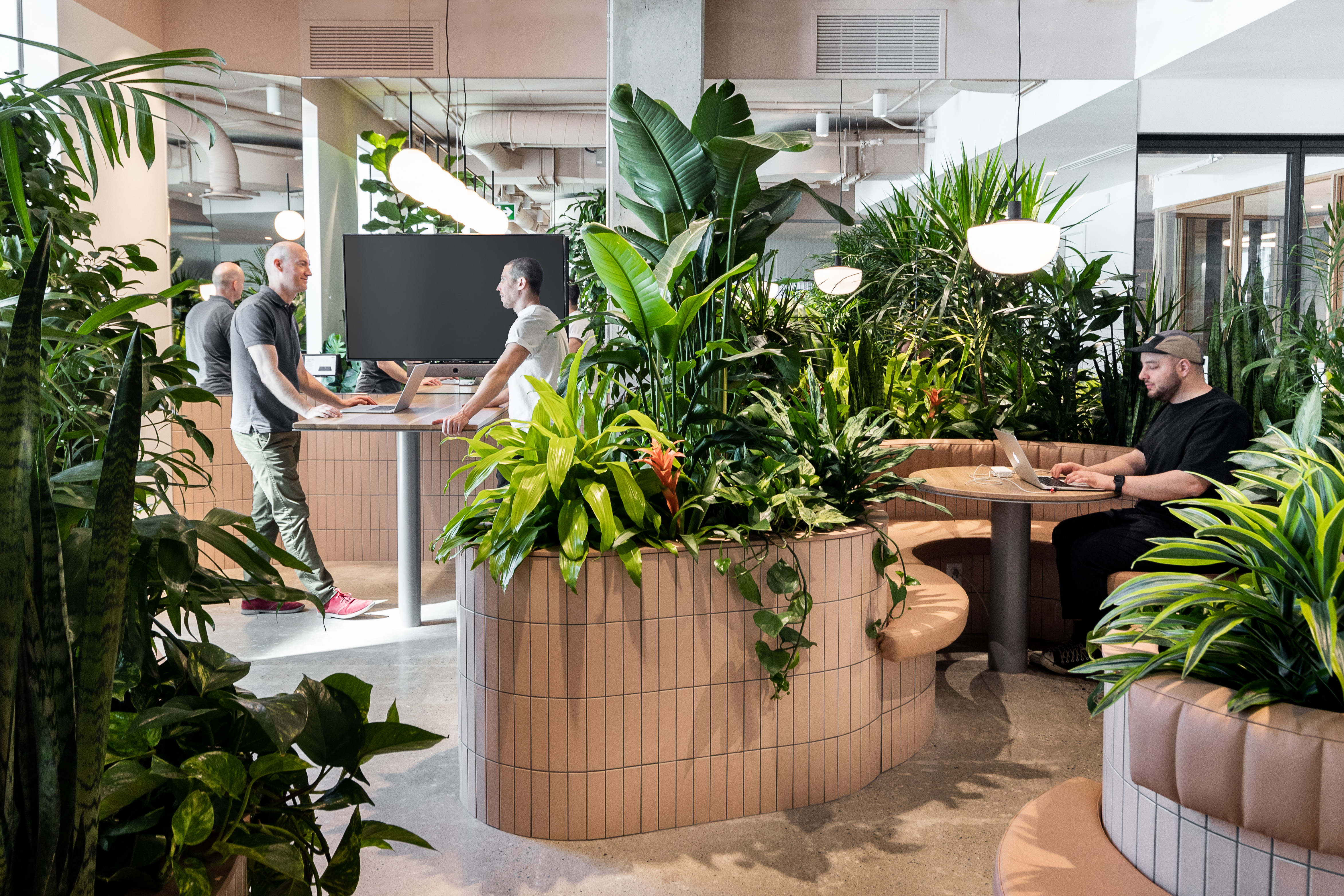
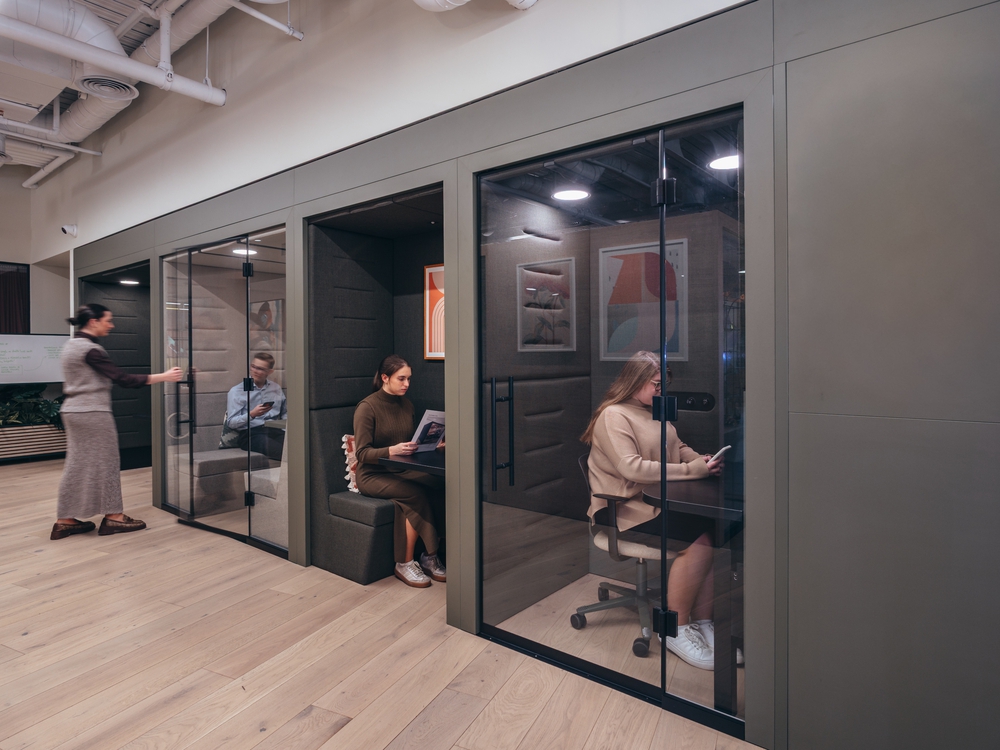
The conversation is moving from counting rooms to designing the moments between people: the quick catch-up, the team table, the place to pause. Hospitality-inspired settings, such as booths and banquettes, are increasingly used to make those moments feel natural rather than scheduled. Increasingly, a workplace is measured by the relationships it makes possible.

6. Adaptability Is the New Permanence
If working practices keep changing, the workplace has to change with them. Fixed walls and long fit-out cycles struggle to keep pace with an AI-shaped workweek.
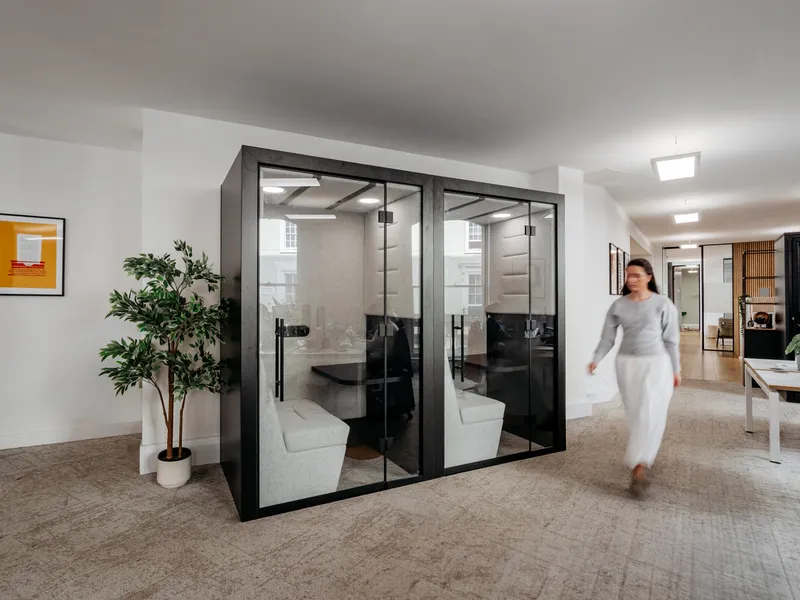
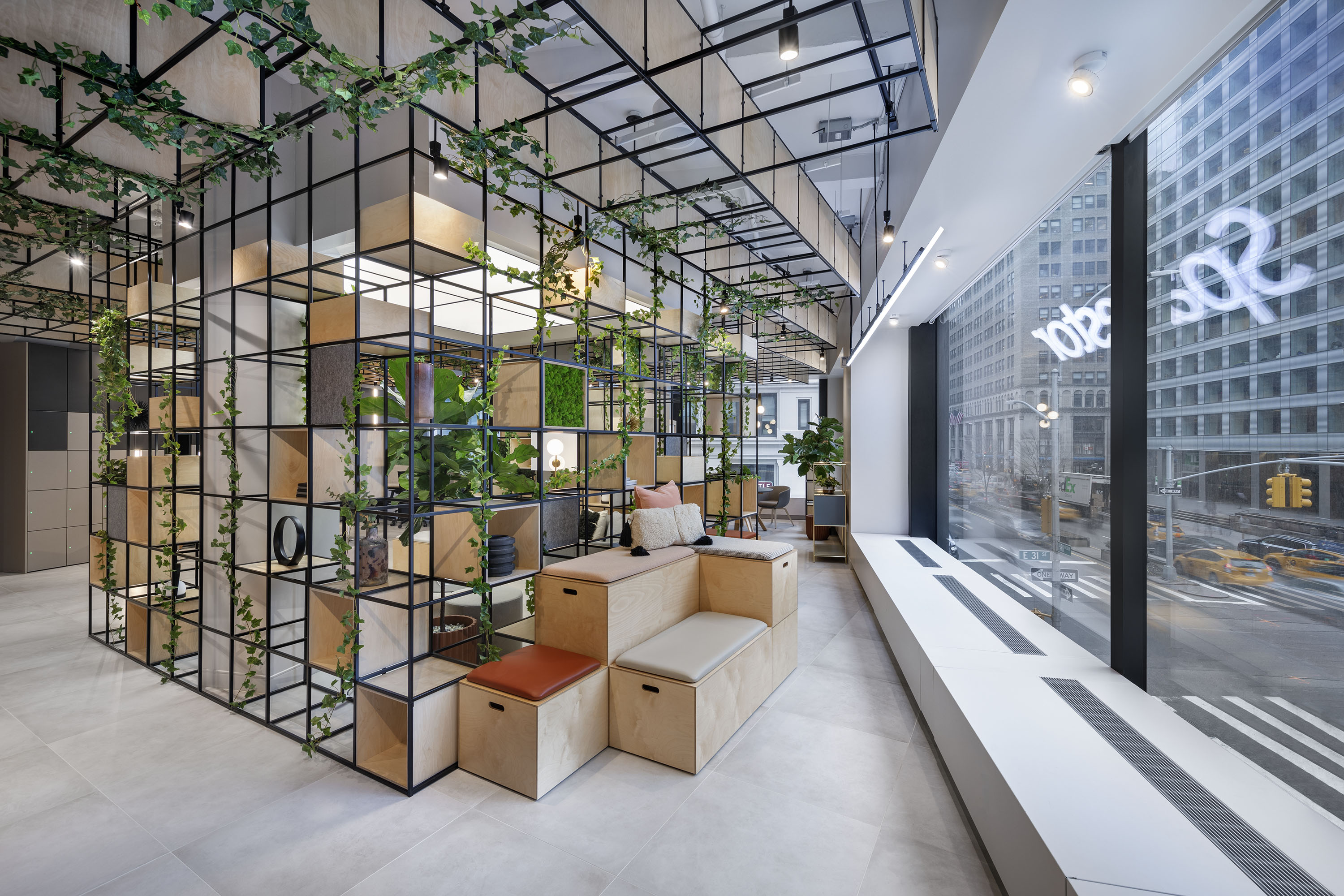
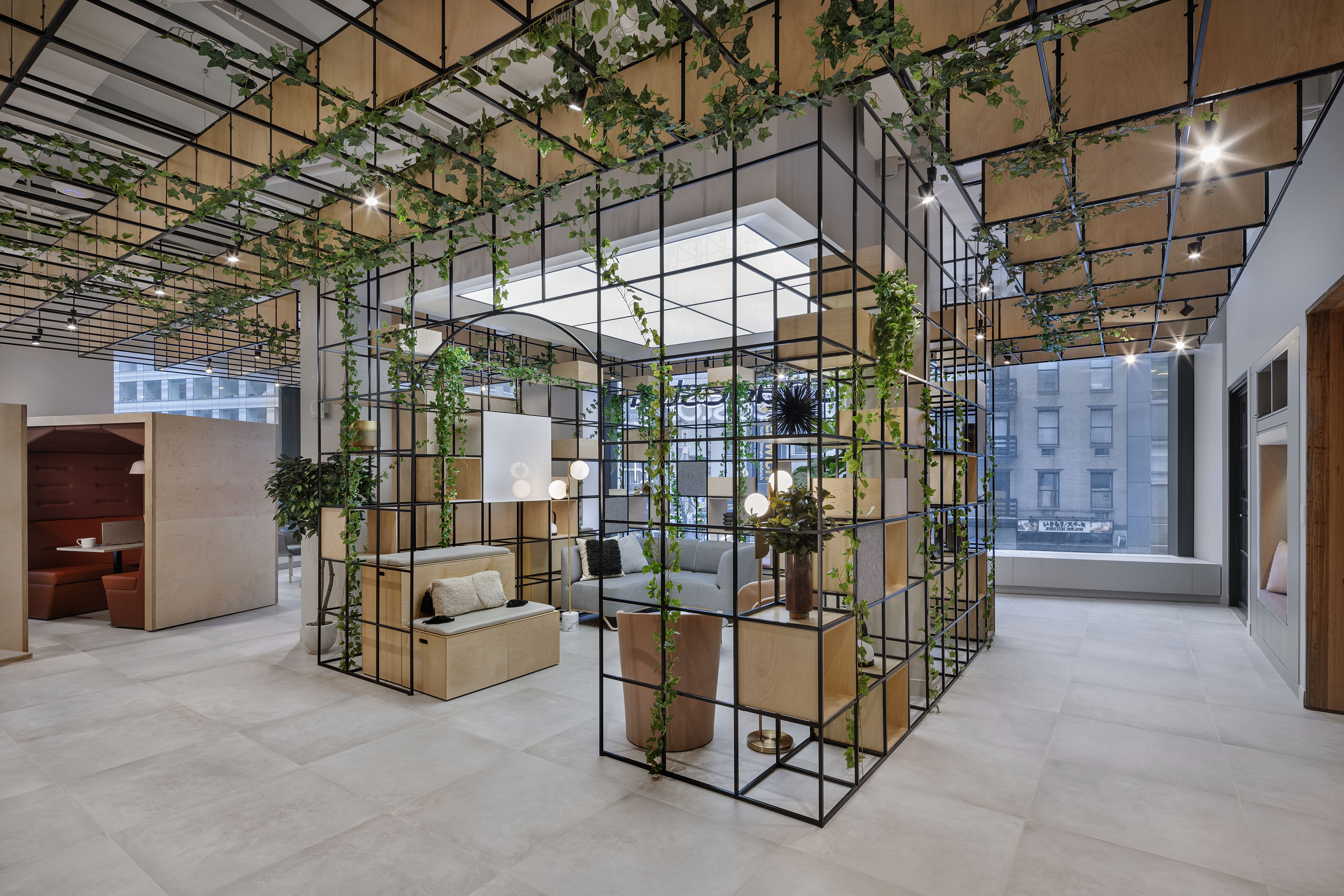
Freestanding, modular pieces that create rooms and zones without construction, from zoning such as Palisades II to plug-and-play booths, allow a floor to be reshaped as teams and tools evolve. Two-thirds of organizations in CBRE's survey plan to maintain or expand their portfolios, so this is about making existing space work harder, not walking away from it. Building in the ability to change is the surest way to keep pace with it.

Final Thought
AI is changing the work. It isn't changing the fact that people do their best thinking together, and need the right places to do it. The organizations that get this right will design for confidence, connection and choice, and keep their workplaces flexible enough to evolve as fast as their tools.
For more on the themes from our panel, read the key points from Global Shifts, Individual Experiences, or explore how every square foot can work harder. To discuss any of these points in more detail, or explore how Spacestor could support your next project, reach out below.
FAQs
How is AI changing workplace design?
AI is shifting routine tasks to software, so offices are being redesigned around learning, collaboration and focus. Research from CBRE shows half of occupiers expect AI to drive more flexible, reconfigurable space, rather than simply less space.
Will AI reduce the need for office space?
Not significantly, according to current research. In CBRE's 2026 Americas survey, only 4% of companies expecting AI-related headcount reductions planned significant space cuts within three years. Most are rethinking the type of space instead.
What does 'from rooms to relationships' mean?
It is ORGATEC 2026's central theme. It describes a shift from designing spaces by function and room count toward designing for human connection and adaptability in a constantly changing world of work.