Theories of Design: The Experience Triangle with Lori Mukoyama
The collected thoughts of Lori Mukoyama, Principal, Global Hospitality Leader at Gensler
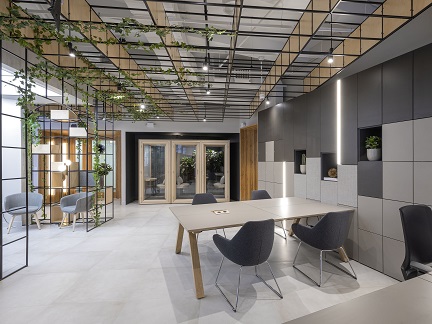

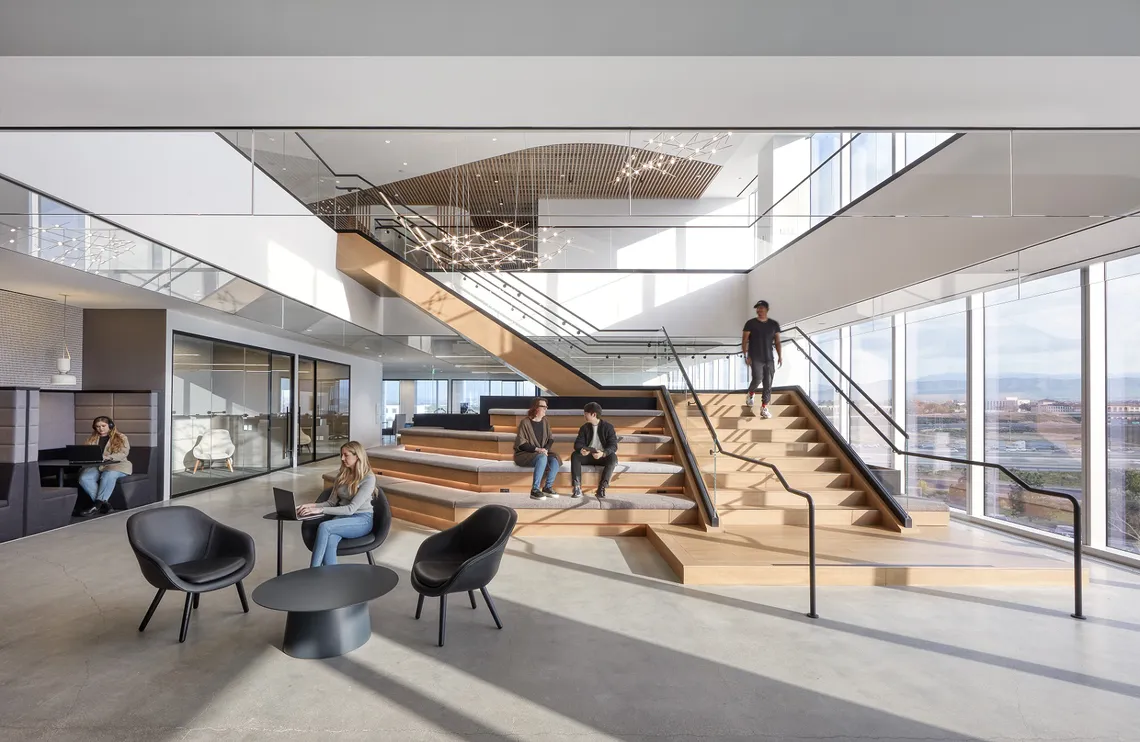
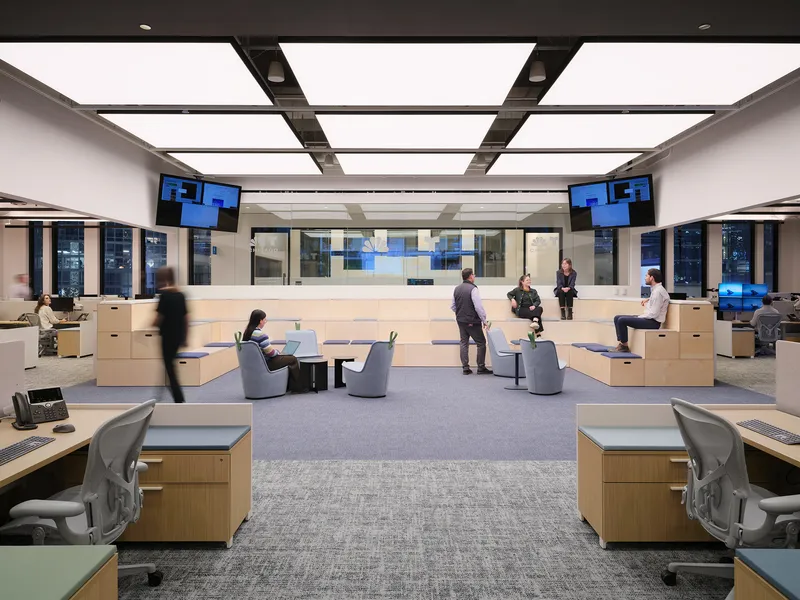
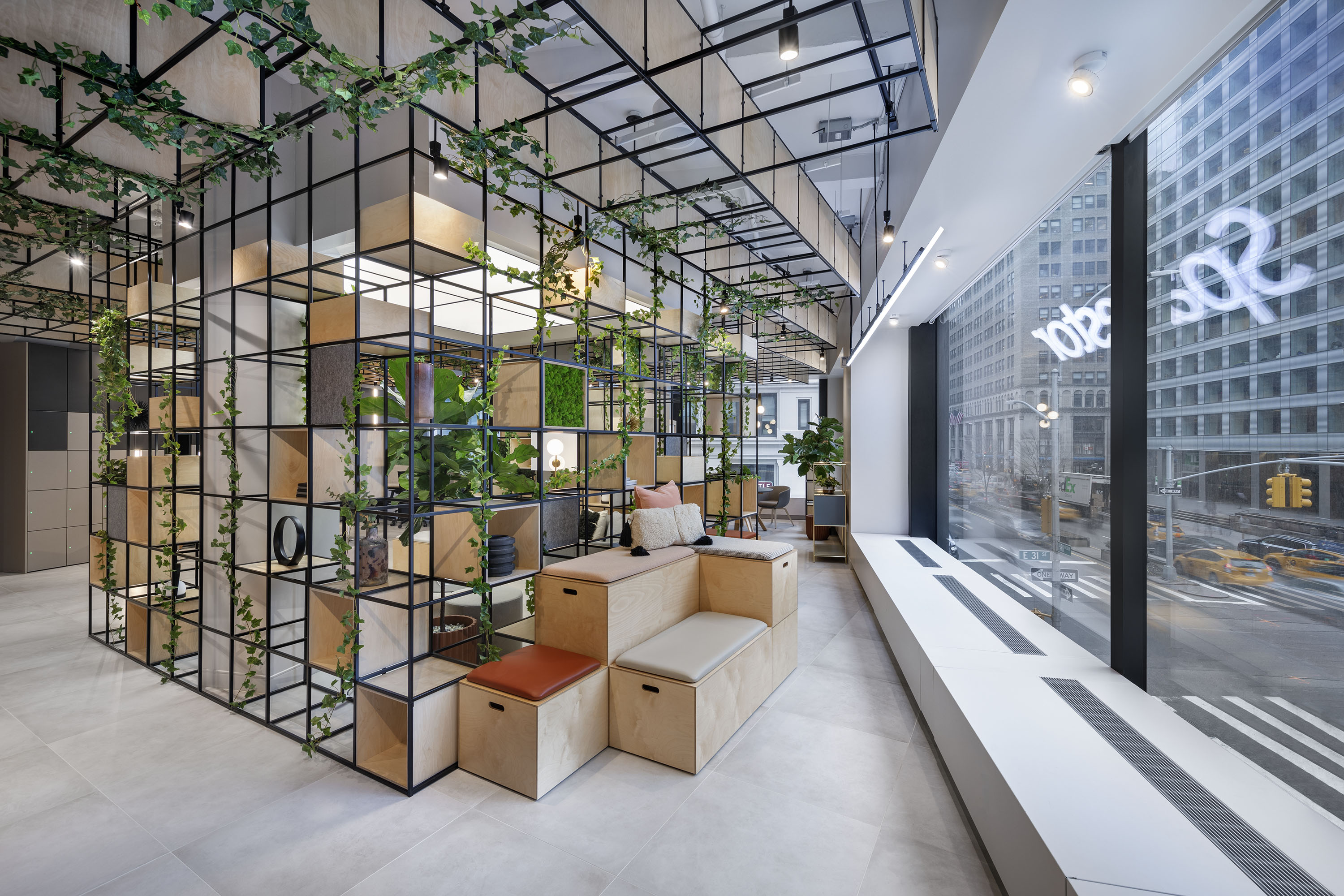
In this Theories of Design feature, we sit down with Gensler's Lori Mukoyama to explore the experience triangle: the point where workplace, hospitality and residential design stop being separate disciplines and start stealing each other's best ideas.
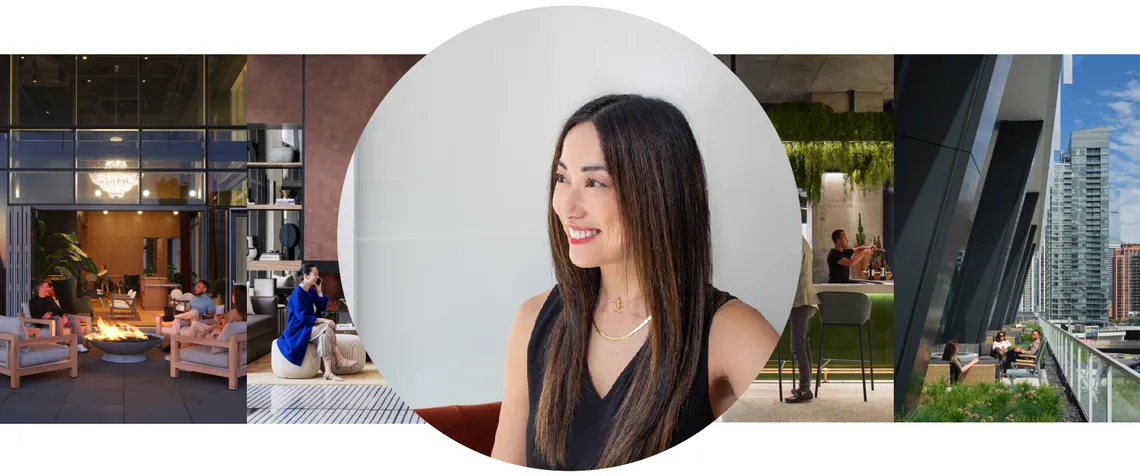
Everyone is Borrowing From Everyone
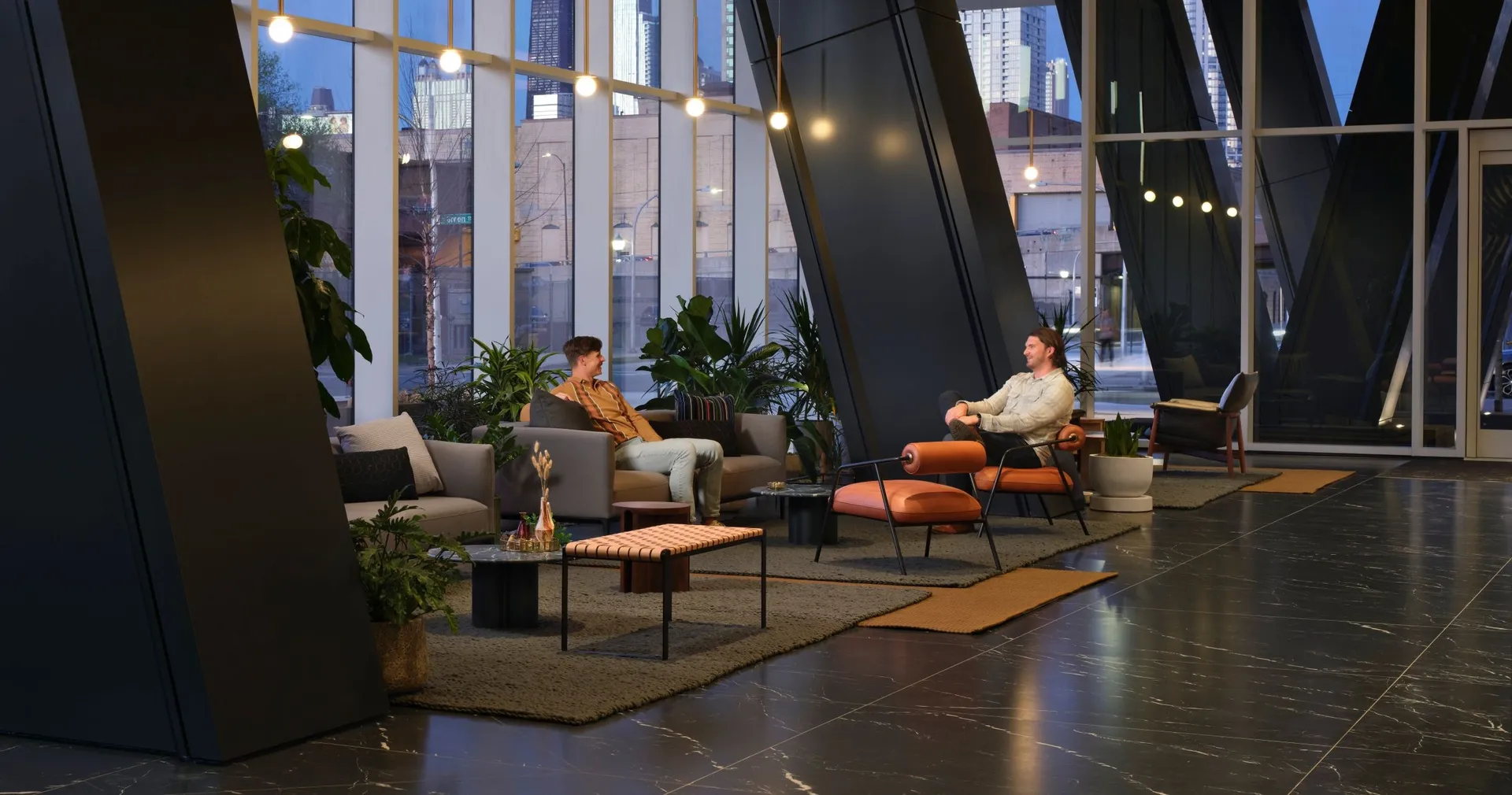
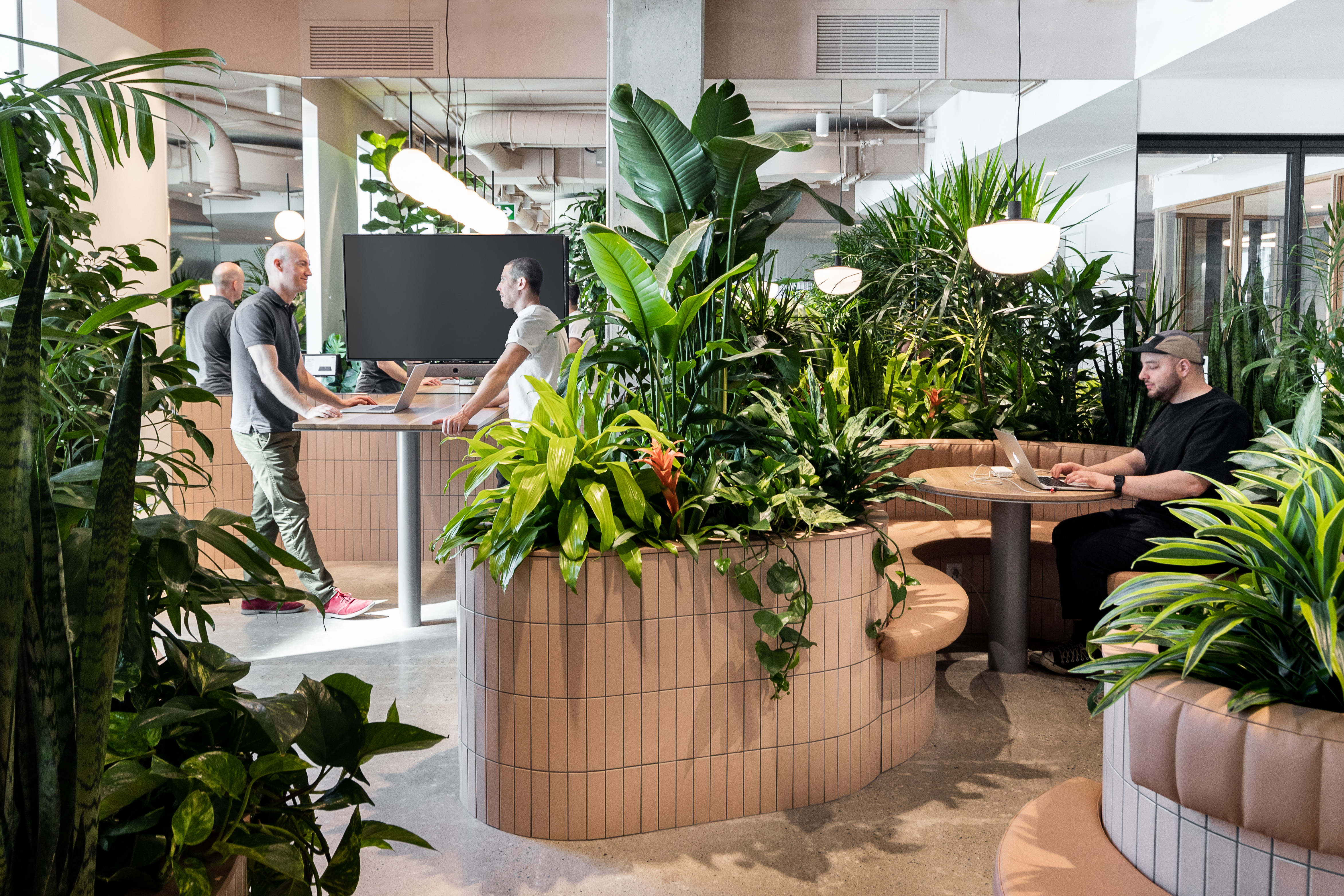
The pandemic sped up the blur. Hotels began hosting longer stays and guests who treat the room as an office. "We now work in lobbies, have quick informal meetings, or sit at the counter of a hotel café." The humble hotel bar now works a double shift: "The bar might be social at night, but during the day, it becomes a place where coworkers can connect or a productivity zone for independent workers."
The workplace, meanwhile, has developed expensive taste. "Companies don’t want a cafeteria; they want a food hall." Custom lighting and bespoke carpet patterns, once unthinkable in an office, are now on the brief.
And the home is not immune. "Residential design takes cues from hospitality and wellness as well, incorporating spas, saunas, cold plunges, cabanas, gardens, grilling areas, and larger spaces for hosting." Lori's summary of the whole loop is hard to improve on: "Ultimately, each typology borrows from the others to create richer experiences around how people live and work."
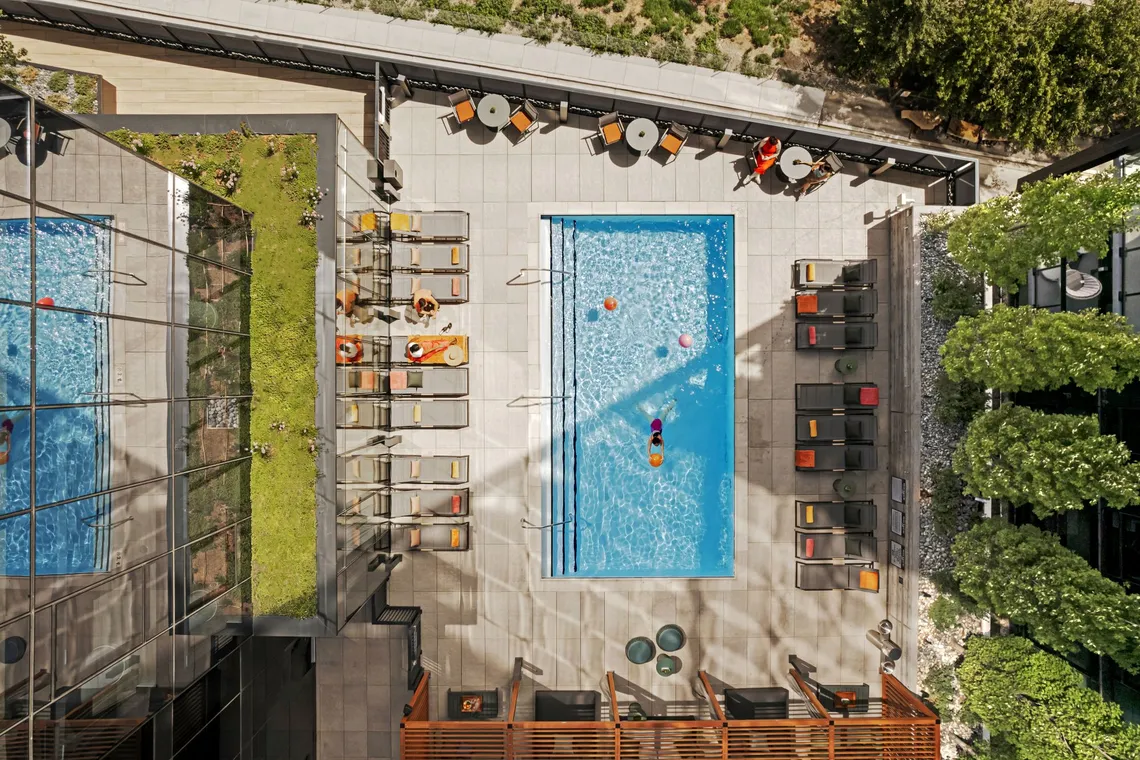
(c) Eric Laignel, Design by Gensler
Tough on the Seat, Soft on the Back
The obvious objection is that offices have to survive spilled coffee and 5,000 people. Lori's answer is to be precise about where toughness actually matters. "It starts with being smarter about where performance really matters."
Hence the chair that is "highly durable on the seat" but softer and warmer where nobody spills anything. And hence the countertop that stays spill-proof but gets "an angled edge rather than a basic profile" to feel more residential. The reception desk gets the same treatment: "For example, rather than a formal office reception desk, we might create a communal table with coffee where people immediately feel welcomed."
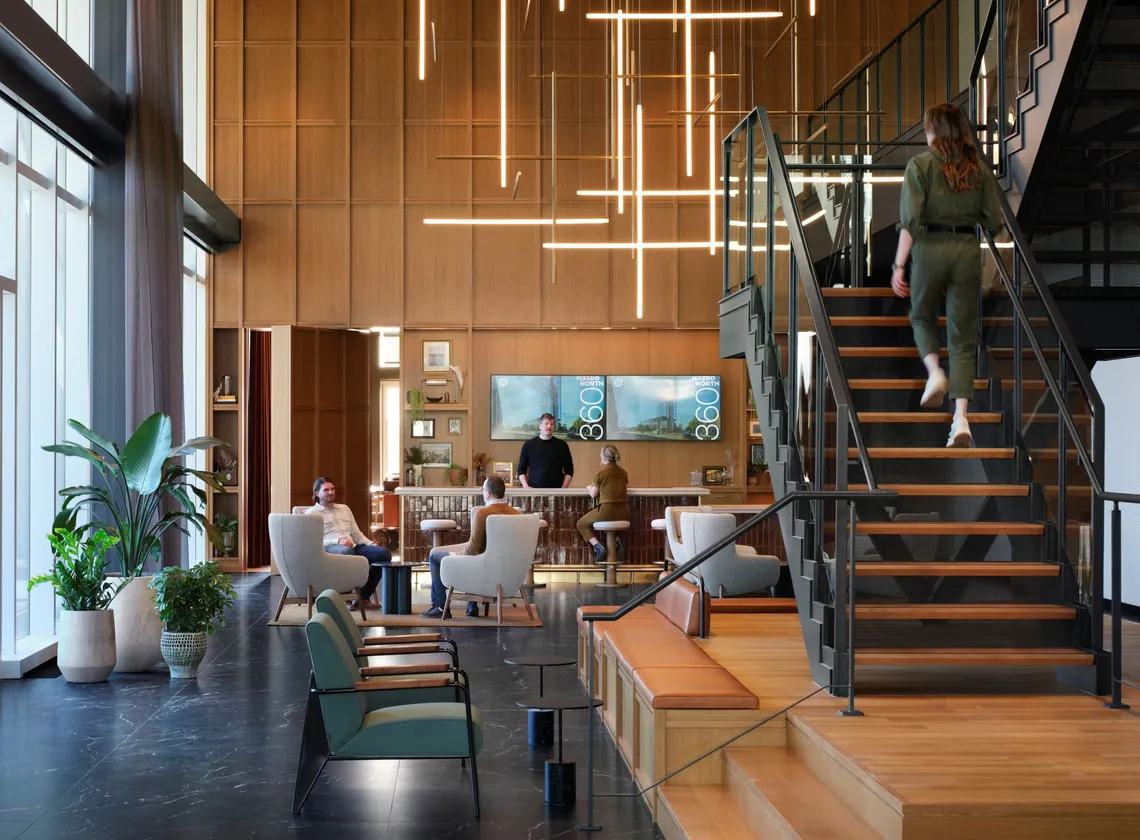
(c) Kendall McCaugherty, Design by Gensler and Sterling Bay Design Studio
The First "WOW"
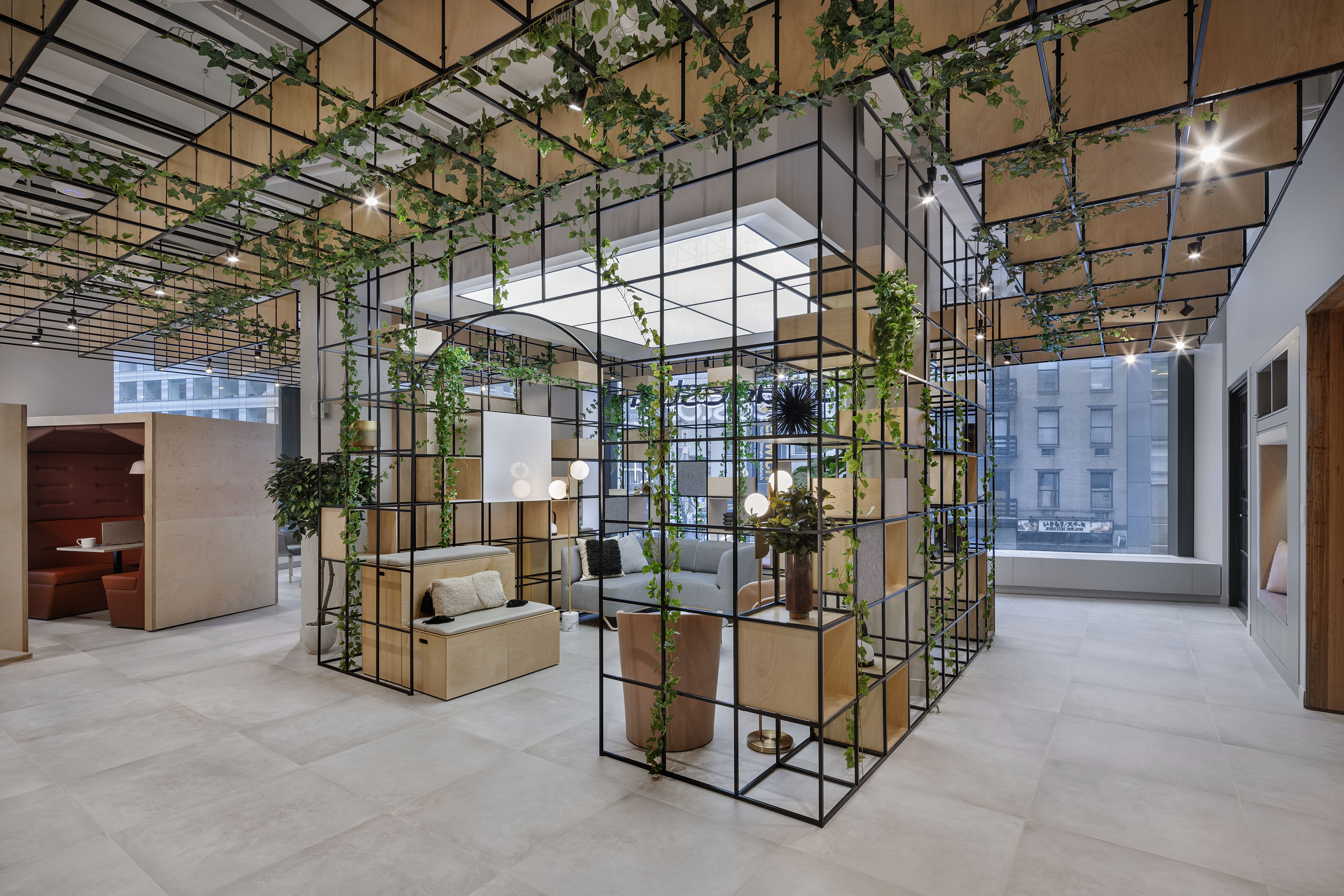
Hotels have always known that arrival sets the tone, and the foyer is where all three typologies meet. "In a hotel, it’s often your first ‘wow’ moment, and we’re starting to think about workplace arrival in the same way." For one professional services client, that meant a lobby designed to feel like arriving at a calming hotel or spa, with warm woods, greenery and movement in place of a sterile entrance.
Sense of place does the rest. "Most importantly, all three are placing greater emphasis on creating a sense of place." In Gensler's Chicago office, a Carson Pirie Scott wall ties the workplace to the city and to the history of the building. At Sterling Bay's 545wyn, an indoor-outdoor bar and varied seating make the workplace feel more hotel than office, and a San Diego food hall became a destination for employees and neighbours alike, much as a great hotel restaurant draws locals as well as guests.
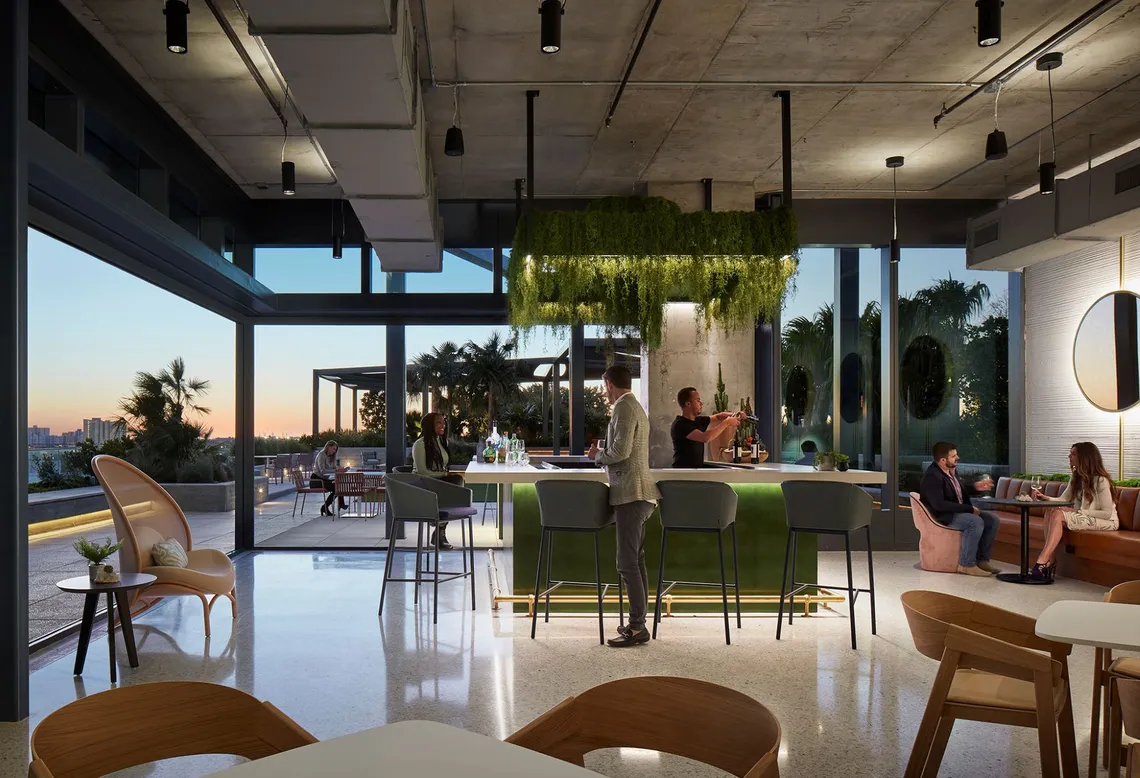
Rendering (c) Gensler
No More Corner Office Experiences
The biggest lesson from hospitality is democratic. "Hospitality starts with the idea that every guest deserves an equally great experience." Applied to work, that means a quiet revolution in who the good stuff is for: "We’re no longer designing the best experience only for the corner office; work needs to become an experience that everyone wants to be part of."
It also means the job isn't finished at handover. "Hotels use events, programming, and service to continually create energy and memorable moments." Workplaces can do the same, with employees as ambassadors for the experience.
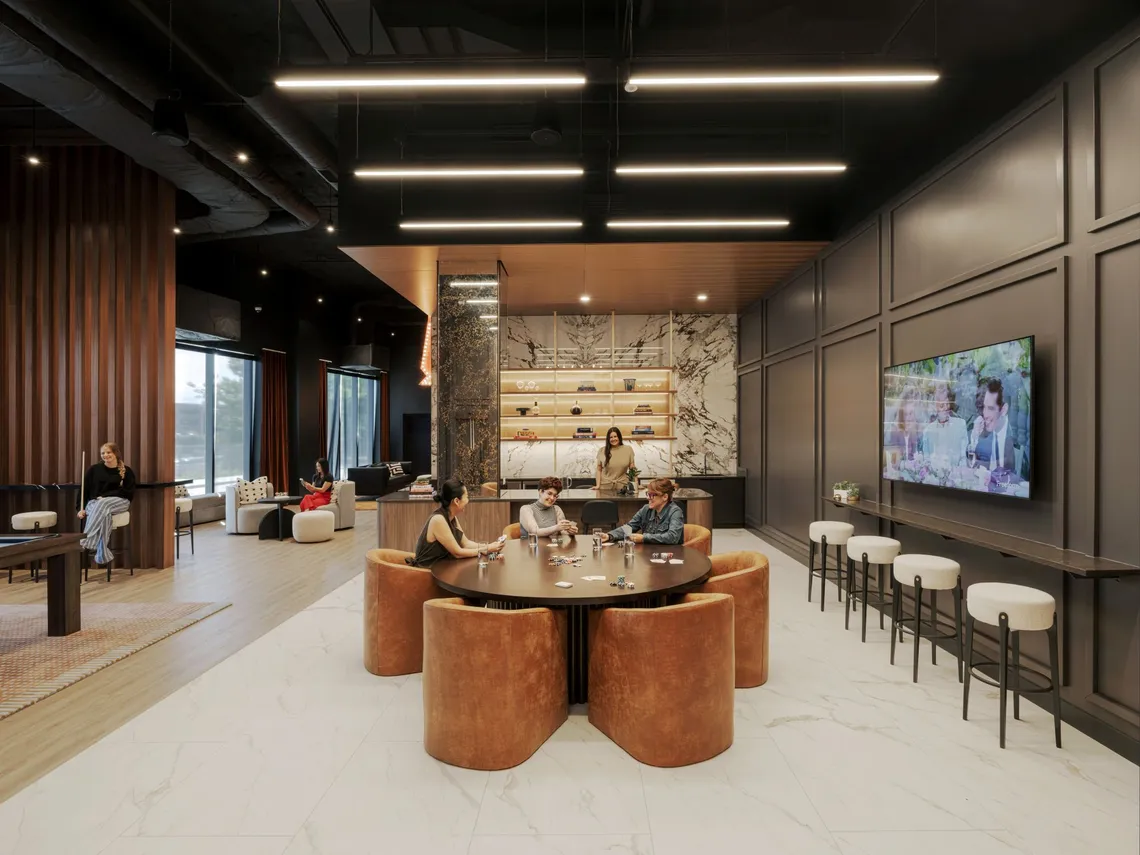
(c) Eric Laignel, Design by Gensler
A Little Mystery
Then there is the fun part. "Hotels have always been good at creating those moments of mystery and surprise - different ‘up and down’ experiences that keep you engaged as you move through a space." The workplace version? "Speakeasy-style spaces, for example, create moments of discovery and give people something they might not expect to find at work."
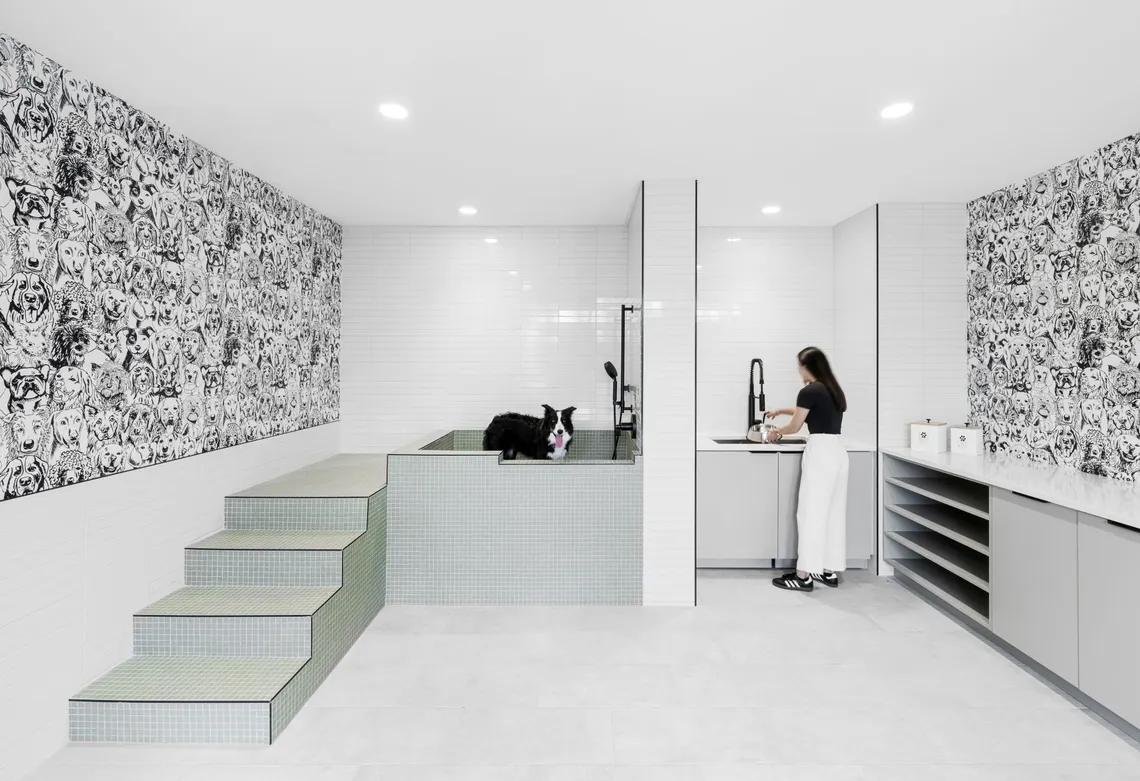
(c) Eric Laignel, Design by Gensler
What Comes Next?
Lori sees the next wave in service and wellness: community gardens paired with demonstration kitchens, rooftop yoga, cabanas for hosting, saunas, cold plunges and treatment rooms. Add programming ("A mixology class, speaker series, social mixer, or workshop can give people a reason to engage with a space and with one another.") and the everyday conveniences of dry cleaning, package rooms and pet amenities, and the office starts to look a lot like a very good hotel that you happen to work in.
But there is a counter-current too: a "renewed appreciation" for analogue experiences such as libraries, maker spaces and curated art that changes over time.
Lori closes on the idea that ties the triangle together: "Across all three practices, we want to design a thoughtful ecosystem of spaces that supports service and experiences people continually come back to."
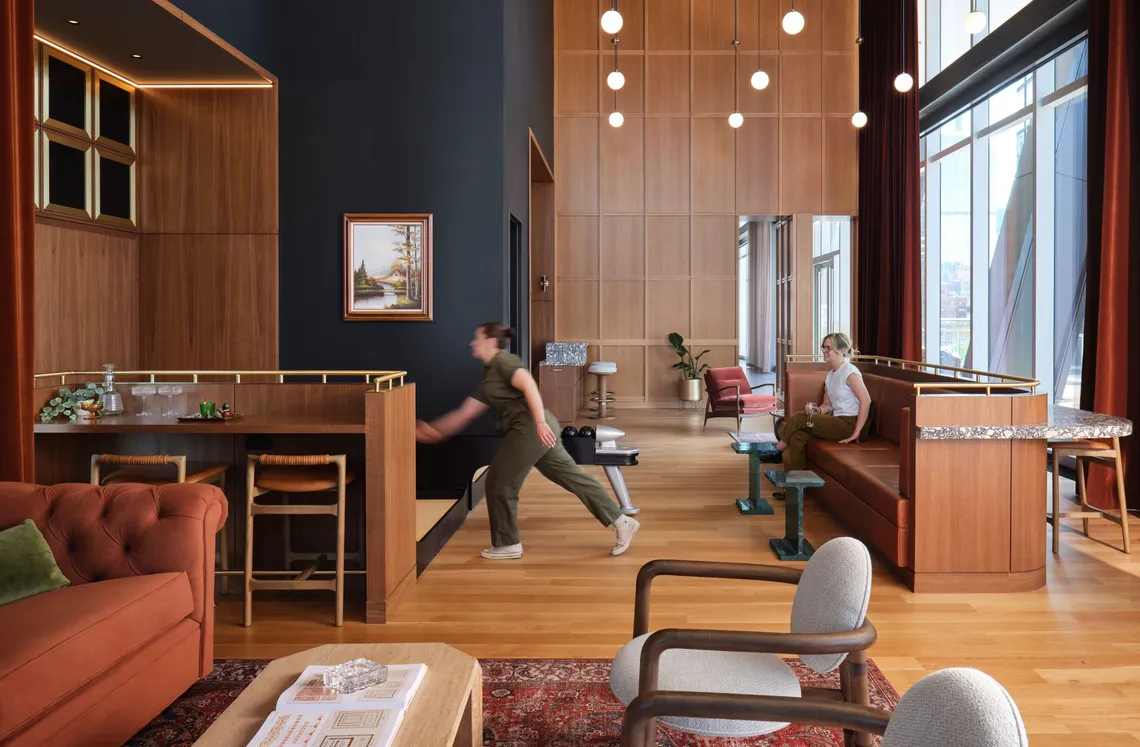
(c) Kendall McCaugherty, Design by Gensler and Sterling Bay Design Studio

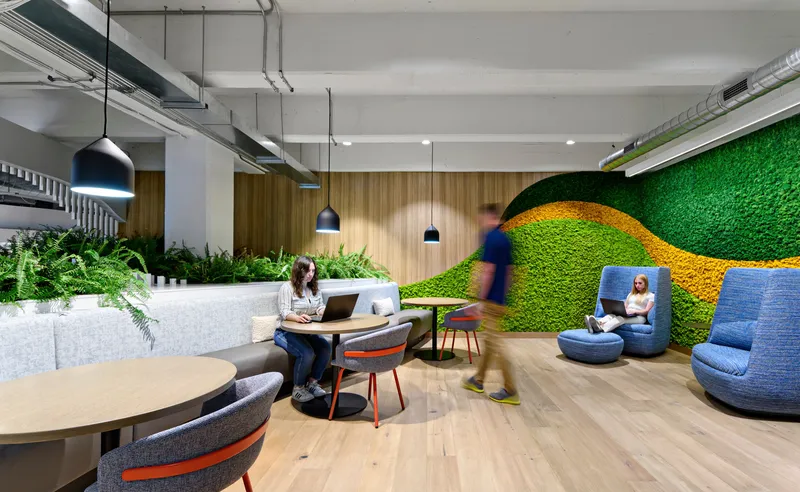

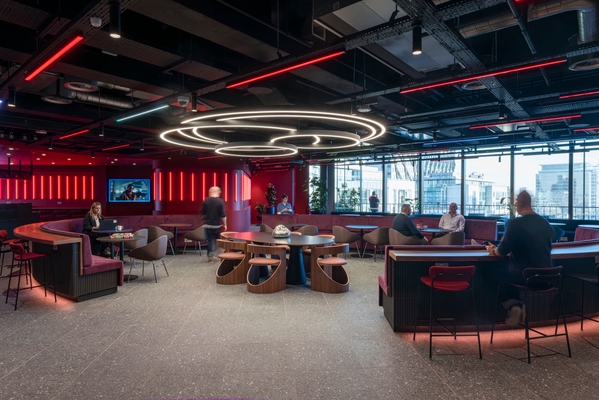
Designed to unite and empower, Virgin Media O2’s new HQ redefines what a collaborative workplace can be.
SPORTS, MÉDIAS ET DIVERTISSEMENT
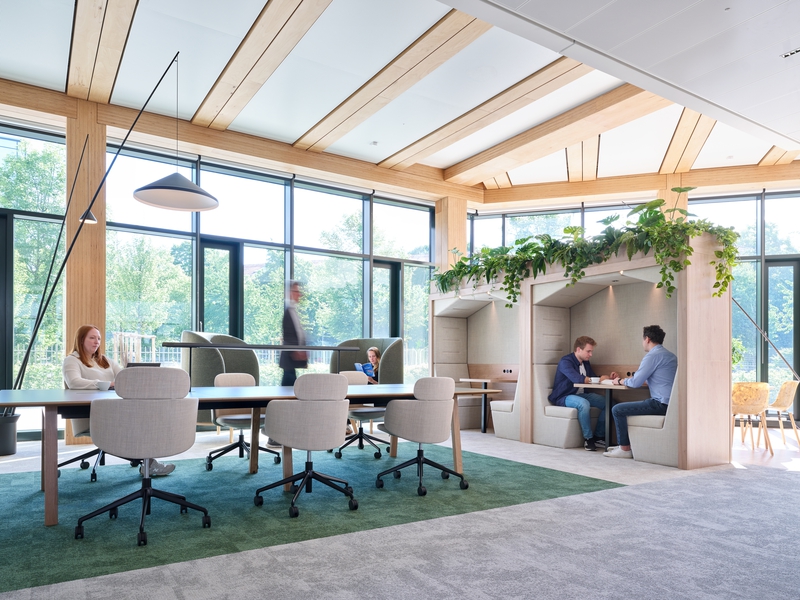
Synopsys’ new office in Munich has ultimate future-proofing and flexibility, catering to needs of a variety of team mem…
TECHNOLOGIE & INFORMATIQUE
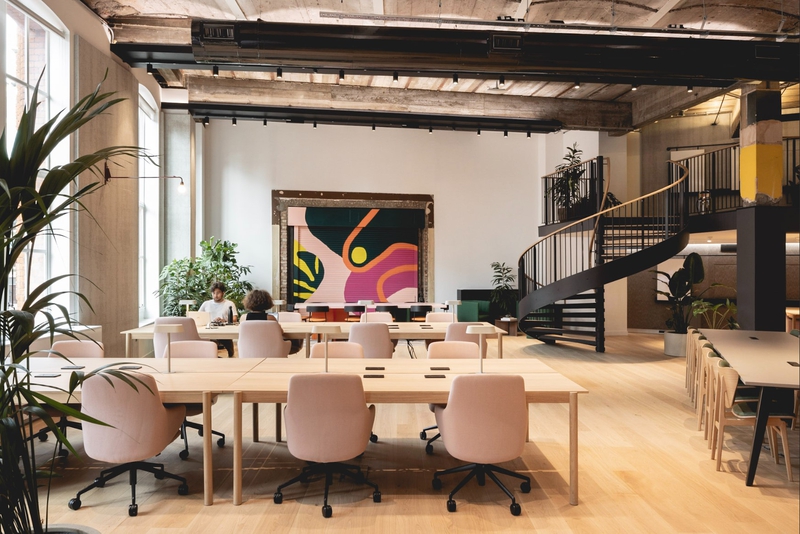
Edelman’s new home is a sustainable, socially supportive space which is highly aligned with the organisation’s brand an…
SERVICES PROFESSIONNELS