23 mars 2026
Tendances du secteur
Insights gathered from conversations across the workplace world this year.
The workplace conversation hasn’t slowed down, it’s constantly sharpening.
Across conversations with clients, partners, and designers, a clearer picture is emerging of what’s really driving decisions in 2026. It’s less about broad trends and more about practical responses to real pressure: leasing uncertainty, changing business models, and rising expectations around experience.
Here are five signals we’re continuing to hear, and how they’re shaping the spaces being delivered today.

1. Designing for Decision: How Landlords Are Accelerating Leasing
Across major markets, the office landscape is becoming increasingly polarized. Class A buildings continue to thrive, while lower-grade spaces struggle to compete.
As a result, tenants are more selective than ever, prioritizing high-quality environments that support both productivity and experience. In response, many landlords are turning to spec suites as a strategic tool to attract tenants.
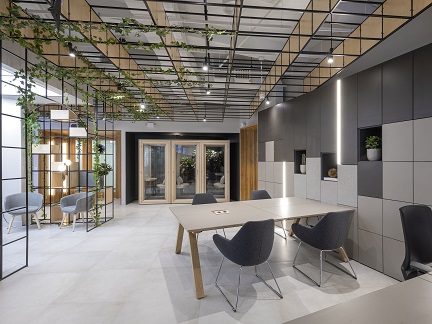
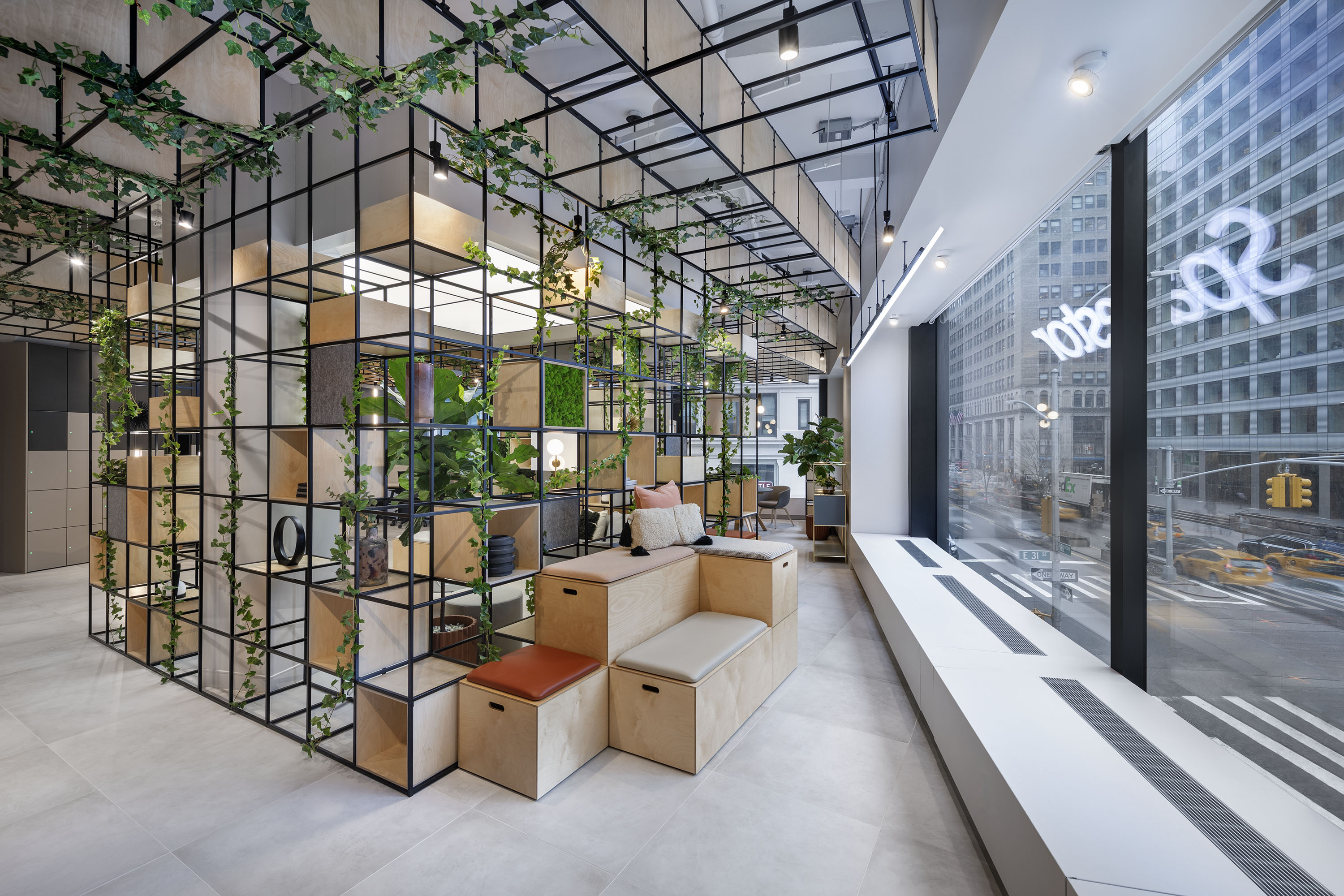
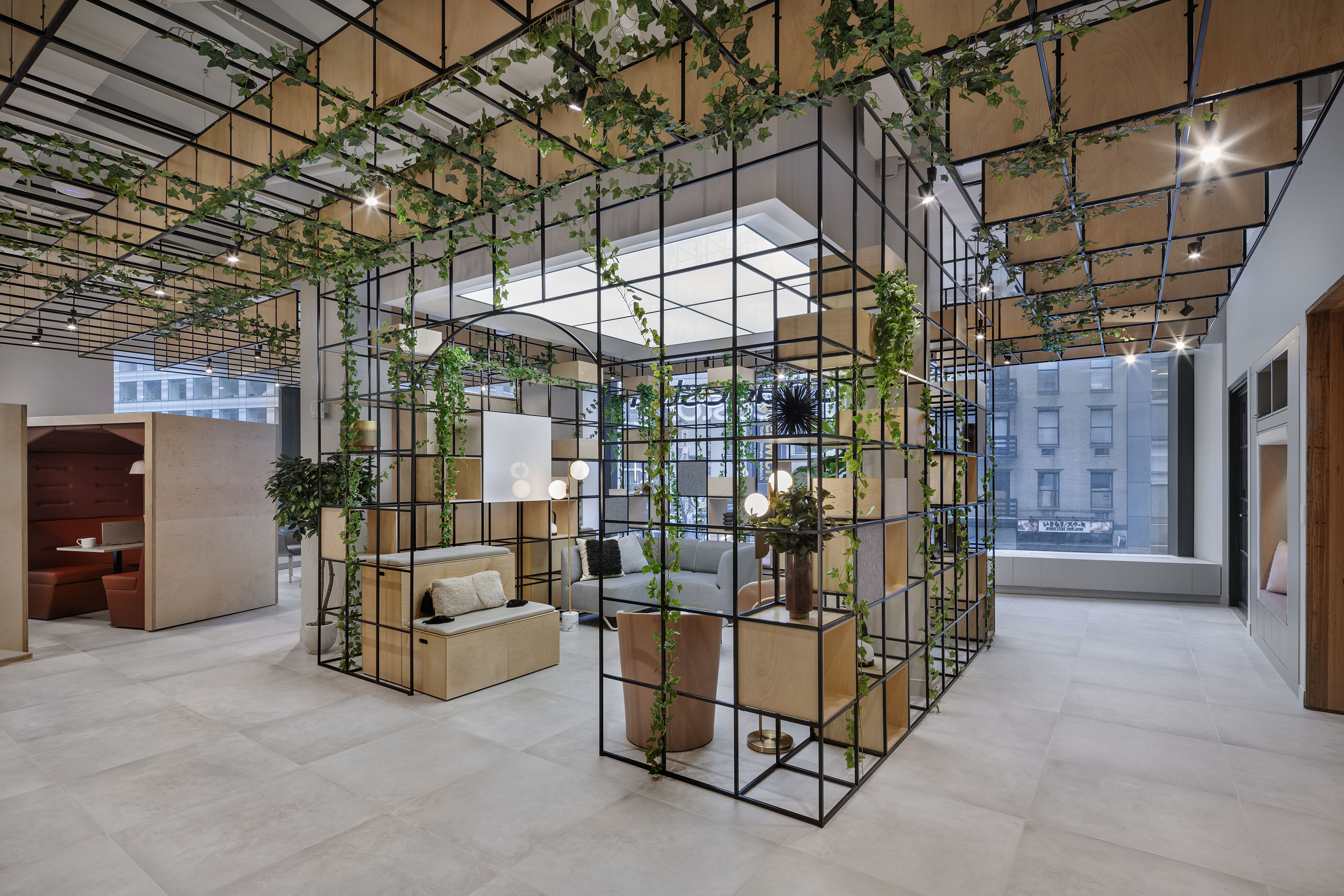
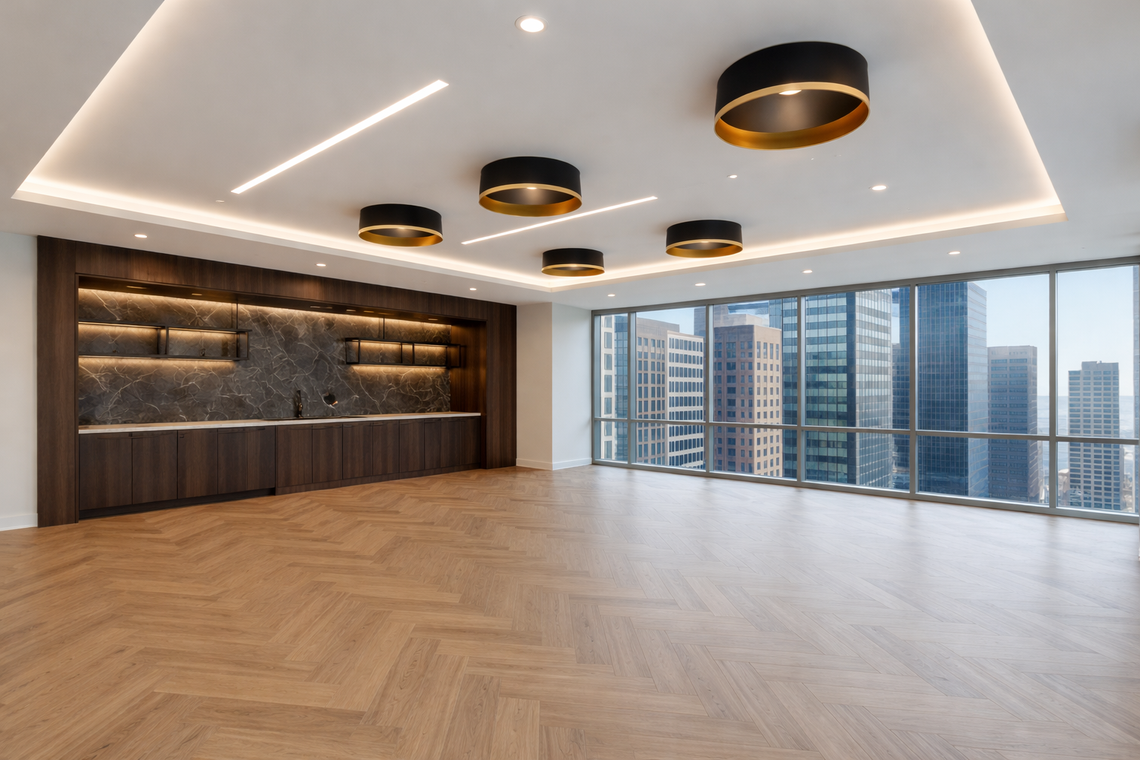
These move-in-ready spaces allow potential occupiers to immediately visualize how a workplace could function. But the most effective spec suites don’t lock tenants into a rigid layout. Instead, they balance strong design cues with the flexibility for customization. Instead of asking tenants to imagine what a space could be, they show them what it already is, and what it could easily become.
We’re seeing more landlords invest in partially or fully fitted environments before a tenant is even secured, using design not just as a finish, but as a leasing strategy. This approach reduces friction in the leasing process and helps landlords demonstrate the value of their building.
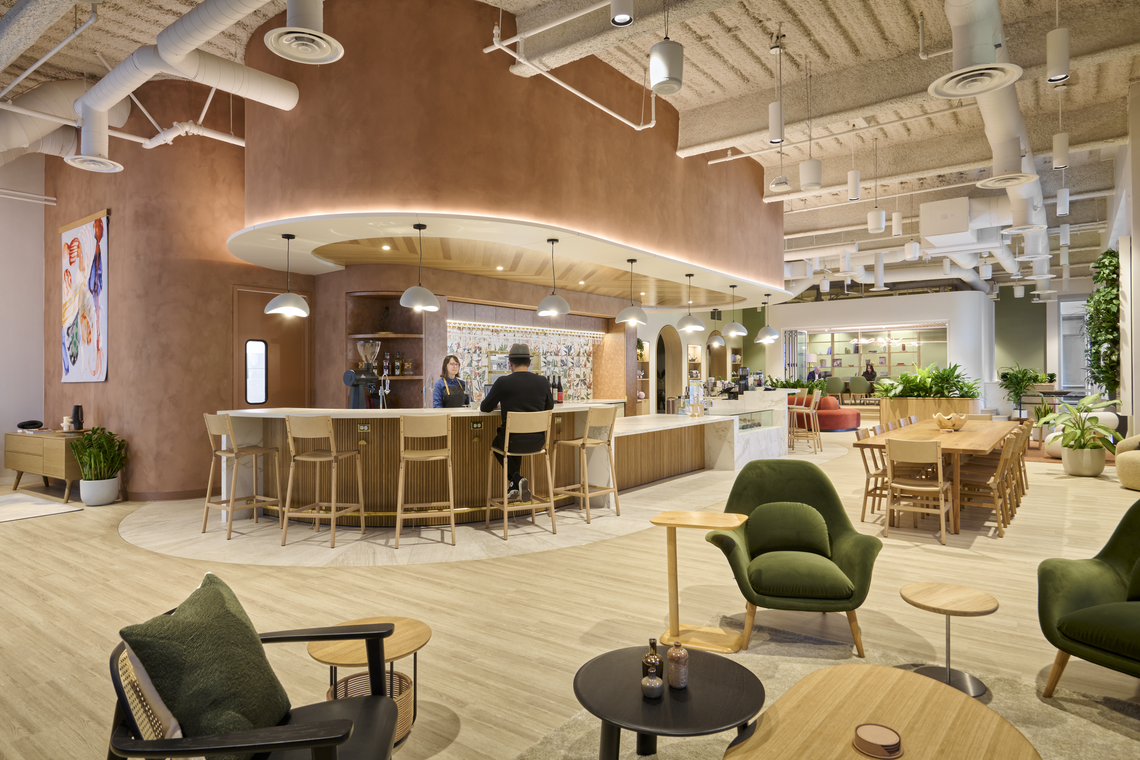
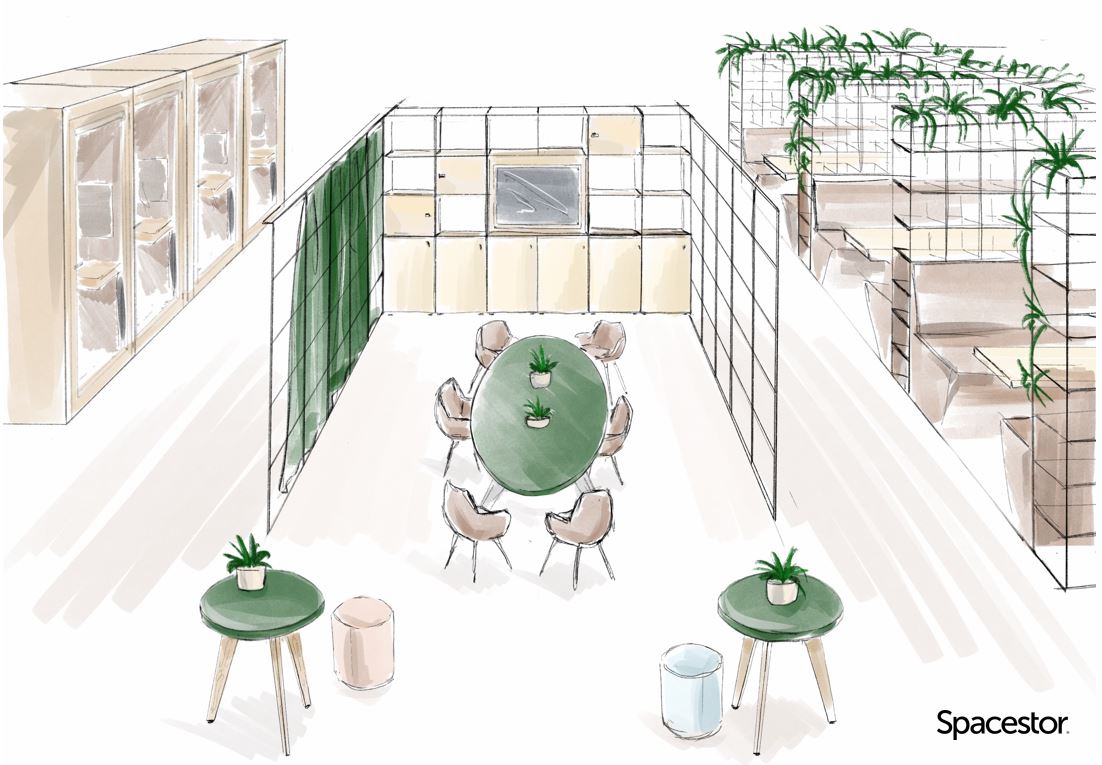
Successful suites often feature strong focal points, such as café areas or social hubs, that anchor the space and encourage collaboration, while still allowing flexibility to accommodate future changes in density or team structures.
2. Lease Cycles Are Getting Shorter, And Offices Must Adapt
Traditional 10-year leases are increasingly out of sync with modern business realities. Many organizations simply don’t have that level of predictability anymore.
A rapidly expanding tech company may not know how many engineers it will need in 12 months, let alone a decade. At the same time, industries like legal and professional services are anticipating the impact of AI on staffing models. As business cycles shorten, workspace strategies must become more adaptable.
This is driving demand for environments that can evolve quickly, including furniture and architectural solutions that can:
- Move
- Relocate
- Reconfigure
- Scale alongside the organization
Flexibility is no longer a differentiator. It’s becoming a baseline expectation. And importantly, it’s not just about furniture, it’s about designing entire environments that can absorb change without needing to start again.
3. The Workplace Experience Is Now the Real Draw
The debate around remote work and return-to-office policies often misses the real point. Most businesses today aren’t choosing between home or office, they’re trying to find the optimal balance for employees, teams, and organizational performance.
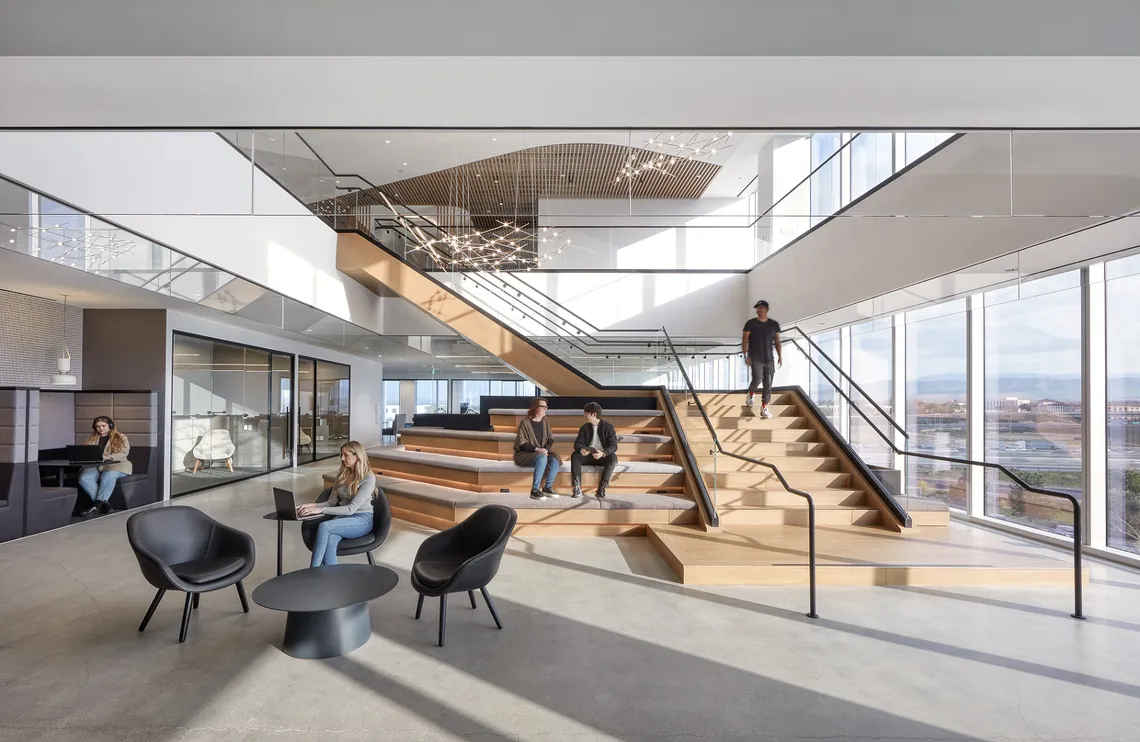
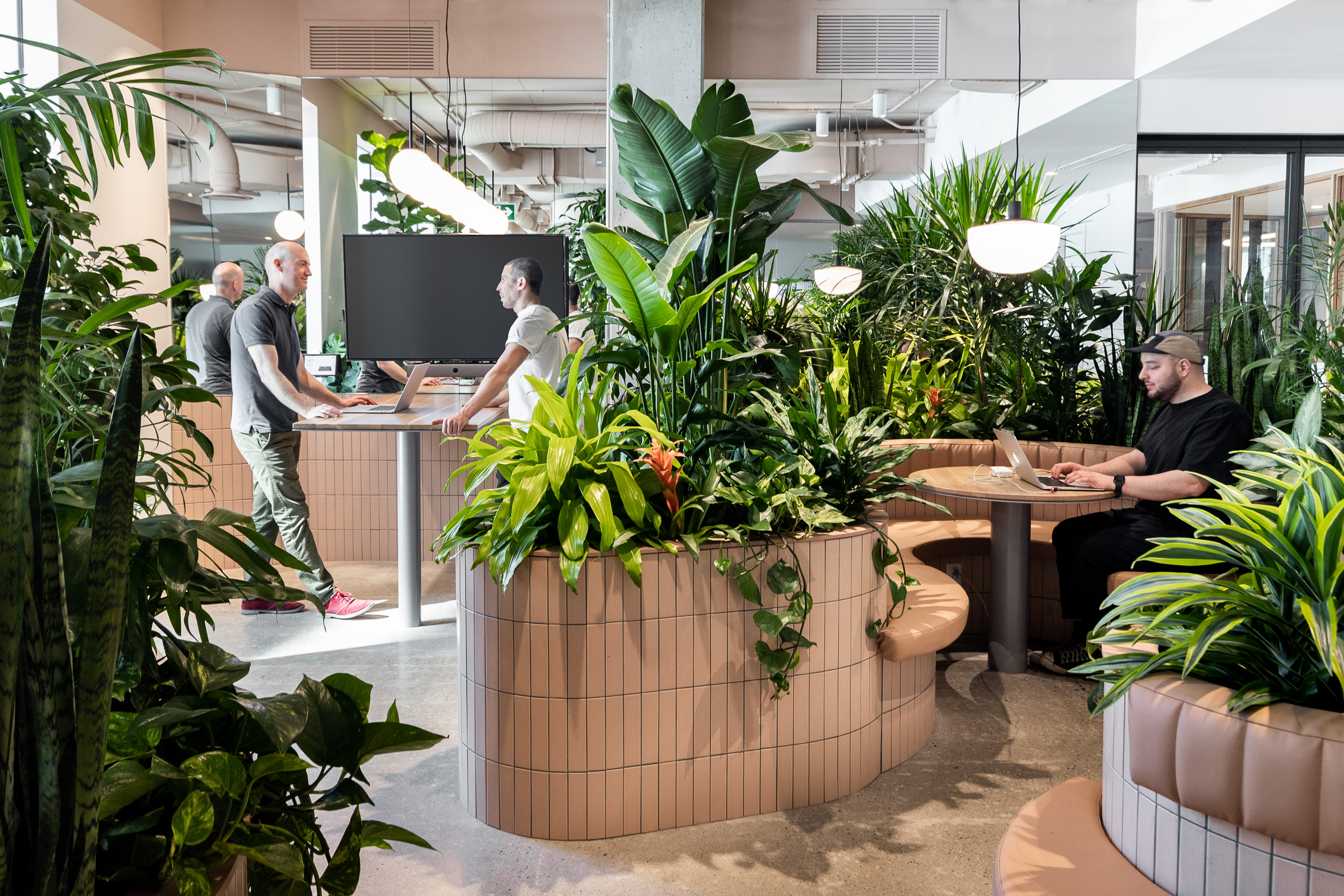
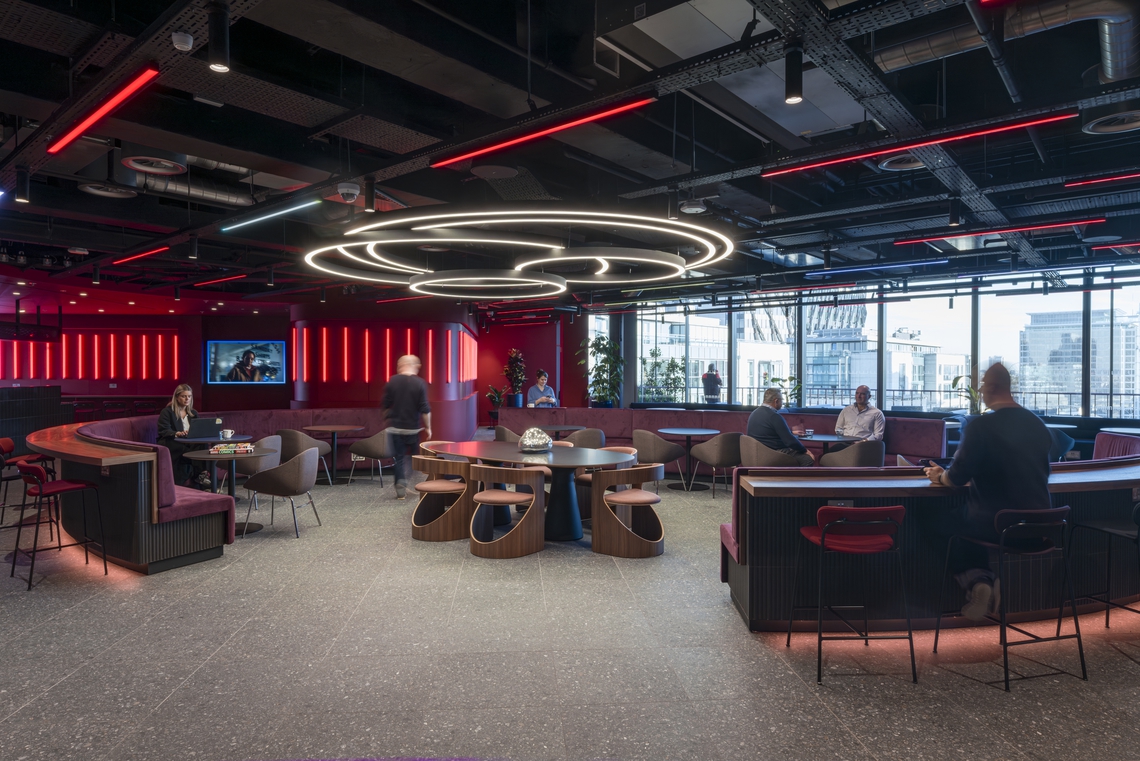
The smartest organizations are focusing on something different entirely: making the workplace inevitable. In other words, creating environments that people genuinely want to spend time in because they offer things they can’t get elsewhere, creating environments that offer something genuinely valuable:
- Better collaboration than virtual alternatives
- Stronger social connection
- A sense of energy and belonging
- Spaces that support different moods and modes of work
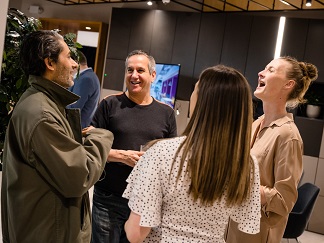
When the workplace becomes an experience rather than just a location for tasks, attendance tends to follow naturally.
4. Brand Experience Spaces Are Surging
In an increasingly digital world, physical spaces are becoming more important as places where brands come to life. We’re seeing a growing demand for client experience centers; environments designed to immerse visitors in a company’s story, culture, and expertise.
The shift mirrors what happened in retail.
Instead of simply displaying products on shelves, brands are creating environments that feel more like curated experiences, spaces that showcase identity, build relationships, and leave a lasting impression. For many organizations, these environments are becoming just as important as traditional workspaces, if not more so.
5. Even Traditional Offices Are Evolving
We’re seeing industries with historically traditional workplace models adapting now, more than ever. Legal offices are a good example.
After years of reducing private offices in favor of open-plan environments, a new need has emerged: spaces that support focused, professional virtual communication.
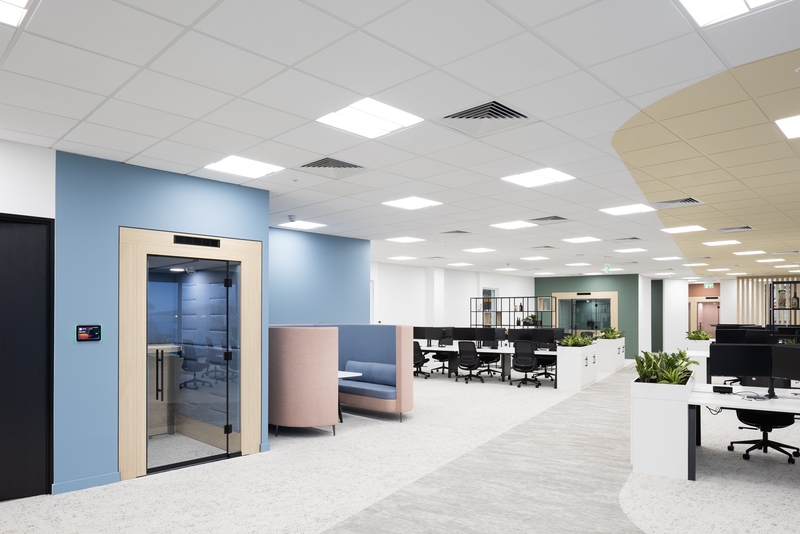
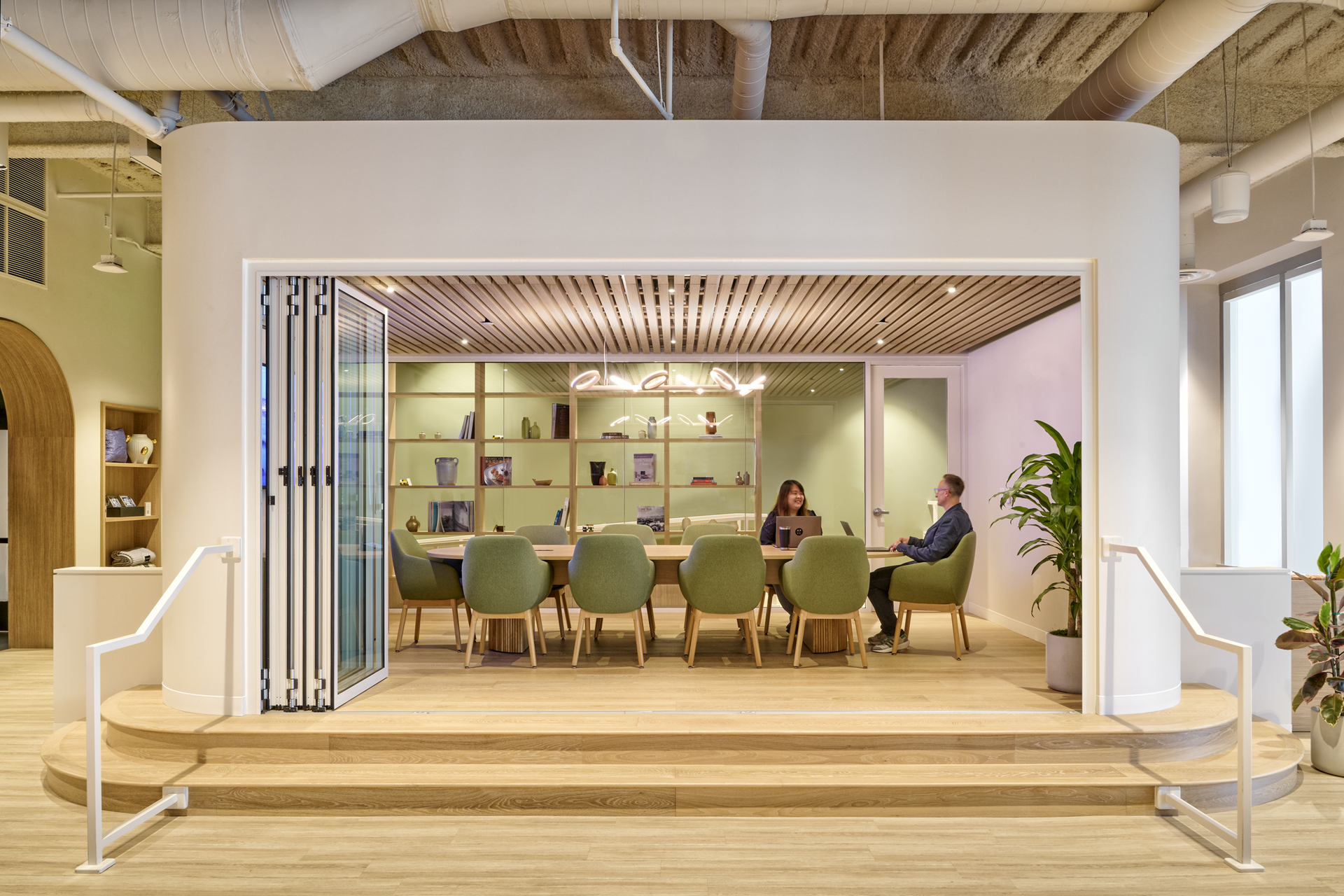
Video calls, hybrid meetings, and confidential conversations all require a level of privacy and acoustic control that open spaces can’t provide. As a result, we’re seeing a resurgence of enclosed environments, but with a twist. Today’s pods and booths are expected to do more. They need to support:
- Private calls
- Hybrid meetings
- Focused individual work
- Small group collaboration
Flexibility, once again, is key for the future of work.
The Bigger Picture
Across all of these signals, one theme stands out: workplaces are being designed for uncertainty.
Whether it’s shorter leases, evolving team structures, or shifting expectations around experience, the spaces being created today need to do more and adapt faster.
The most successful environments aren’t just well-designed. They’re responsive, flexible, and intentional.
And increasingly, they’re not just places to work.
They’re tools for decision-making, drivers of culture, and platforms for experience.
Partager cet article