Workplace Signals: What We've Been Hearing This Year So Far
19 février 2026
Tendances du secteur
Insights gathered from conversations across the workplace world this year.
Beneath the noise of bold predictions and glossy trend decks, some reoccurring signals have been pulsing through our conversations with designers, occupiers, strategists, and workplace change leaders.
Here are our top eight - stripped of hype - written by and for those who shape where work happens.
1. The Workplace Has Shifted from Growth to Resilience
Absorbing uncertainty over signalling expansion - spaces are being prototyped, measured, and scrutinized like never before.
What we are seeing: flagship projects still prioritizing modularity over permanence, lease renewals over new builds, consolidation before experience upgrades, and interiors deprioritized in favour of infrastructure resilience.
Takeaway: Real estate is now managed like a balance sheet where optionality beats scale.
2. Hybrid Isn’t a Policy Problem - It’s a Permanent Design Constraint
Forget “fixing hybrid.” That era has expired. Attendance inconsistency is accepted as structural, with attendance expectations ‘collapsing’ into norms rather than mandates.
What we are seeing: Global attendance mandates abandoned, pilots planned without utilisation assumptions and space planning that assumes unknown team allocation.
Takeaway: Hybrid isn’t a problem to solve. It’s a foundation to design around. No one is waiting for perfect utilisation data to bless the new model.
3. Flexibility Has Become a Governance Requirement
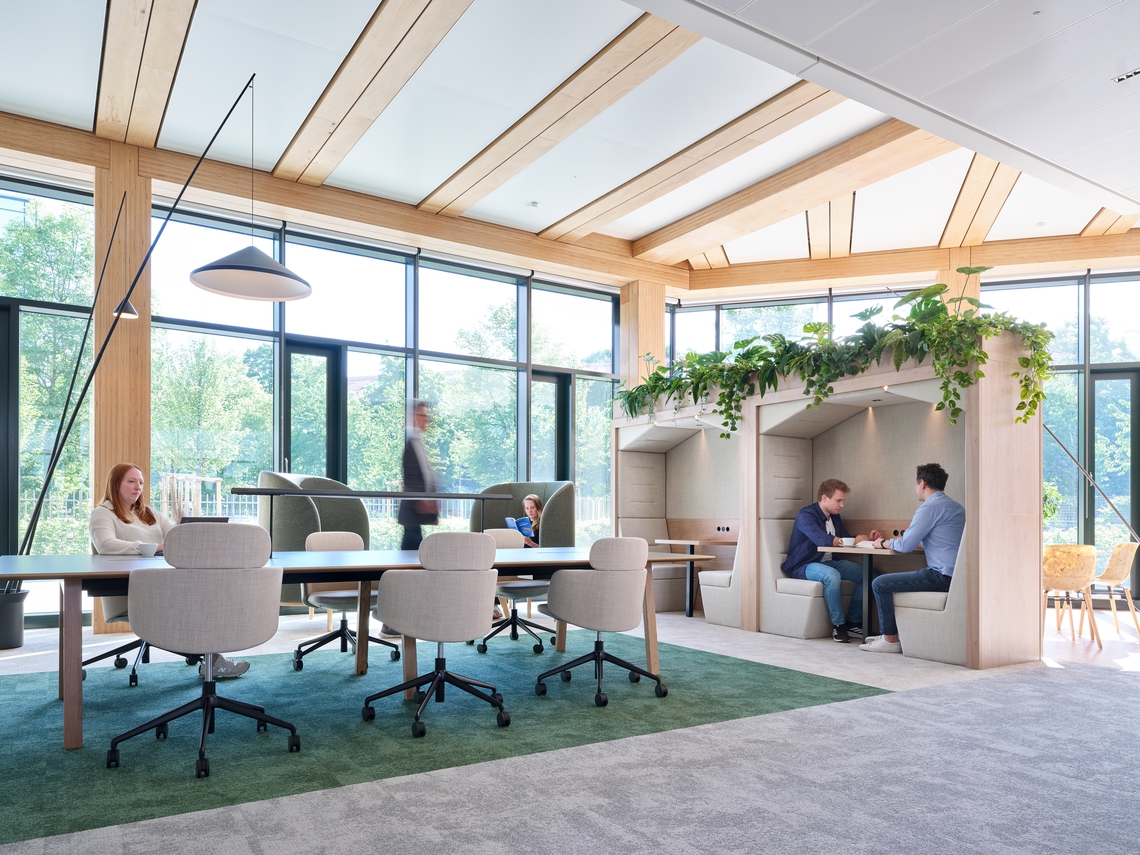
The ‘flexible workplace’ isn’t a benefit anymore; it’s a compliance layer, as fixed construction is increasingly rejected. Companies are designing furniture layouts that can morph and flex purposely.
What we are seeing: Biases against hard walls and bespoke millwork/joinery, continuous reconfigurations, and portfolio budget shifting to protect quality.
Takeaway: Responsive environments are no longer nice‑to‑have – anything that cannot move is treated as stranded-asset risk.
4. Emotional Value Is Quietly Becoming Legitimized
Not soft, not fluffy - well‑being is now being tied to ‘emotional’ outcomes, with the understanding that not all ROI is measurable.
What we are seeing: Leaders start to openly defend psychological value alongside space utilisation. With the ‘nobody needs it, everyone wants it’ mantra, acceptance of spaces that create feeling over density, is growing.
5. Focus, Acoustics, and Cognitive Performance Are Protected Investments
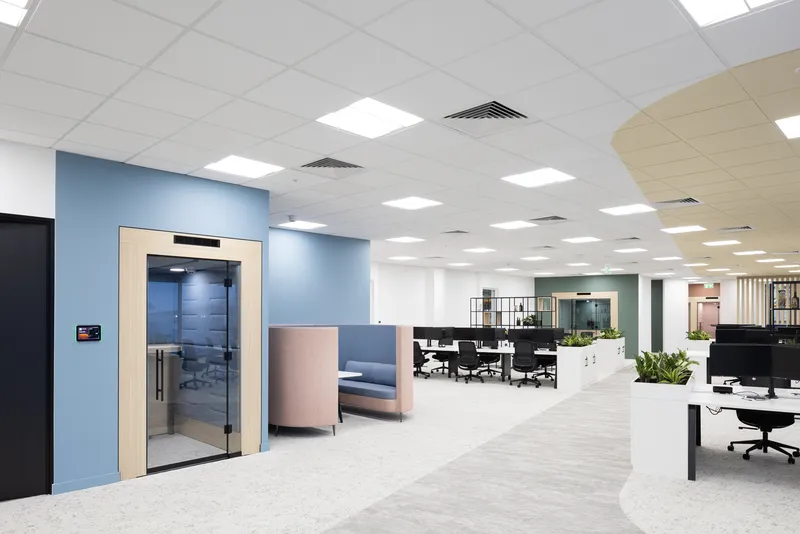
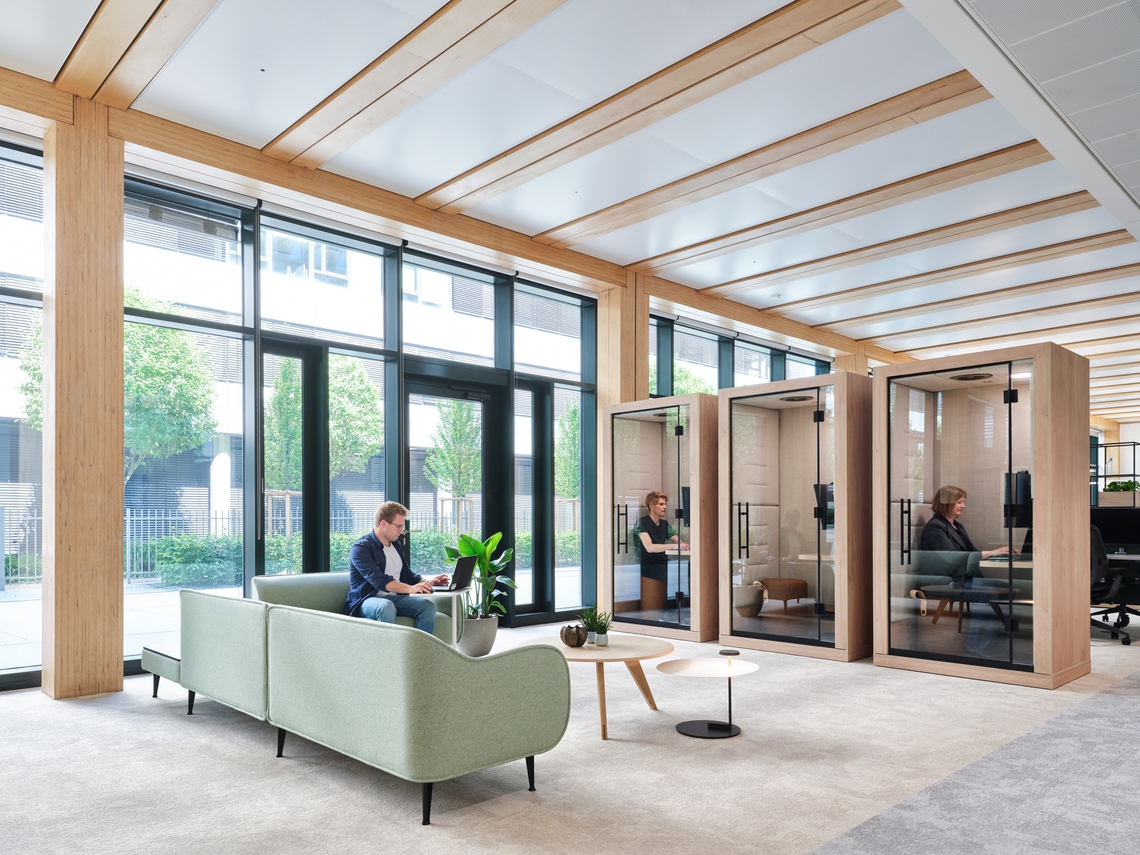
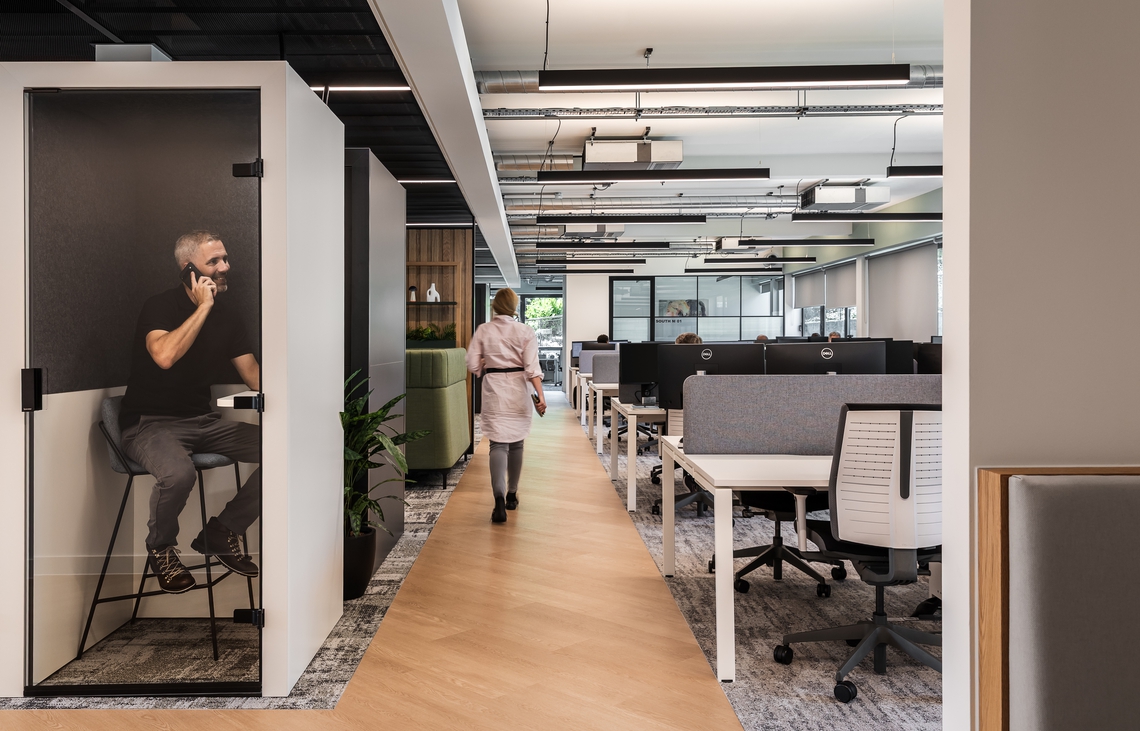
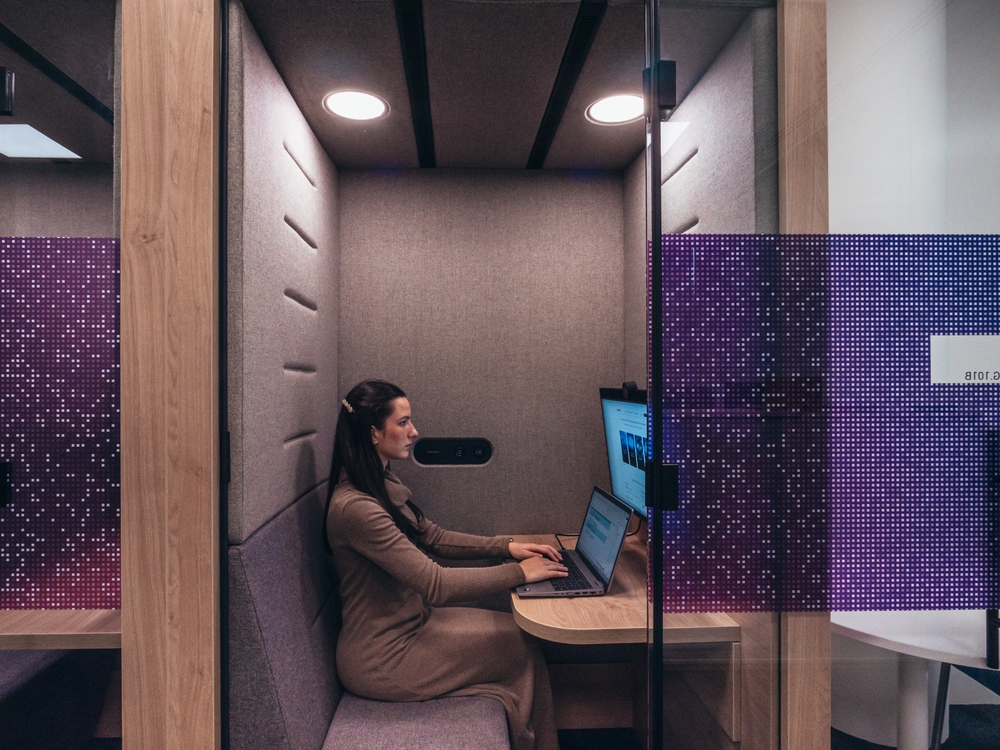
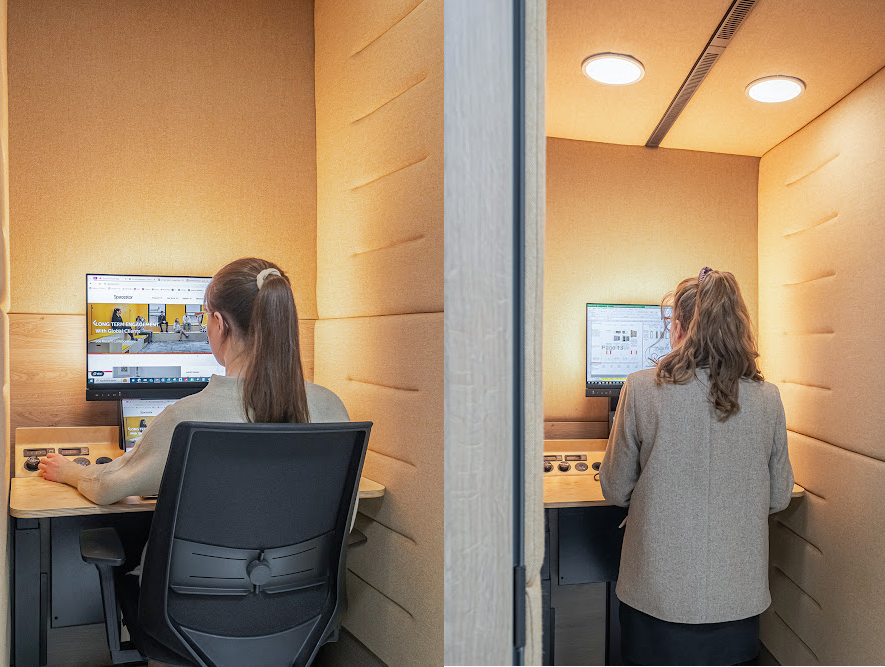
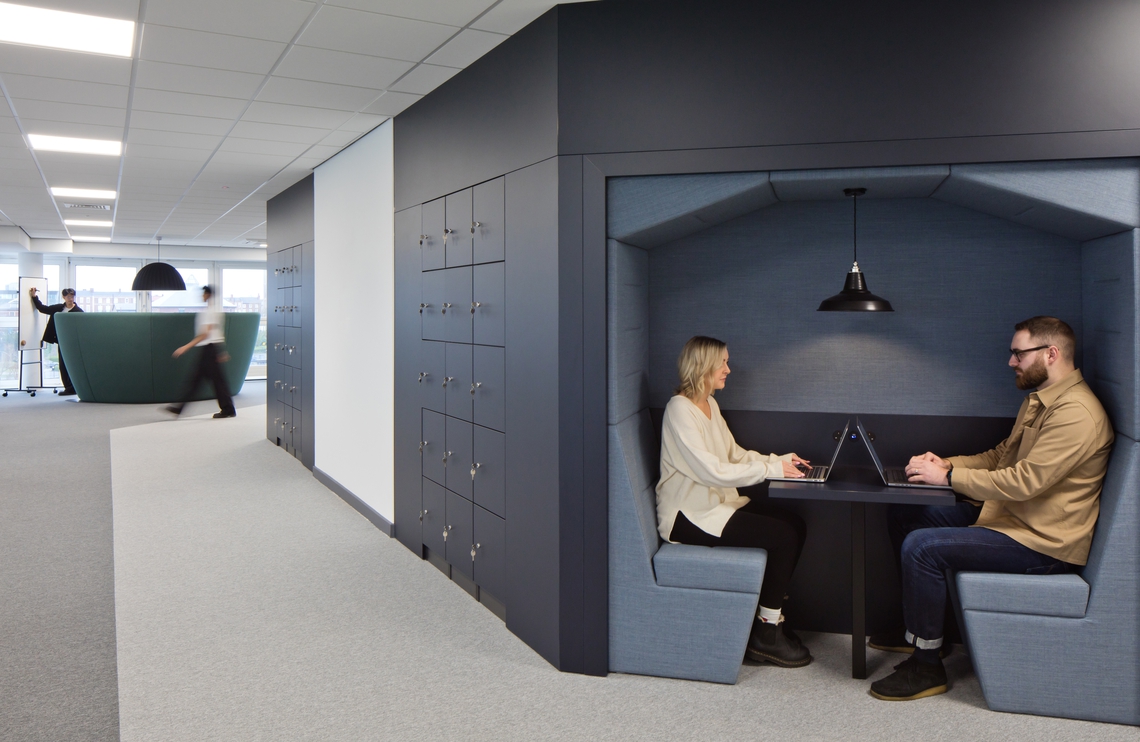
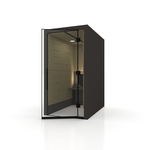
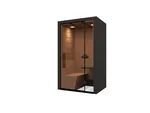
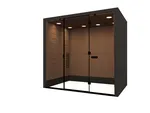
With organisations demanding proof that space supports deep work, one category attracting spend is individual focus. The quiet space is making a comeback - this time with science and people behind it.
What we are seeing: Passive cooling creates a baseline ‘library quiet’ where regular voices dominate, driving the need for solo-spaces for comfort and privacy. Persistent unmet demand for focus and video spaces.
Takeaway: Smaller offices increase cognitive load. Focus space is productivity infrastructure.
6. Video Has Replaced Voice as The Primary Design Driver
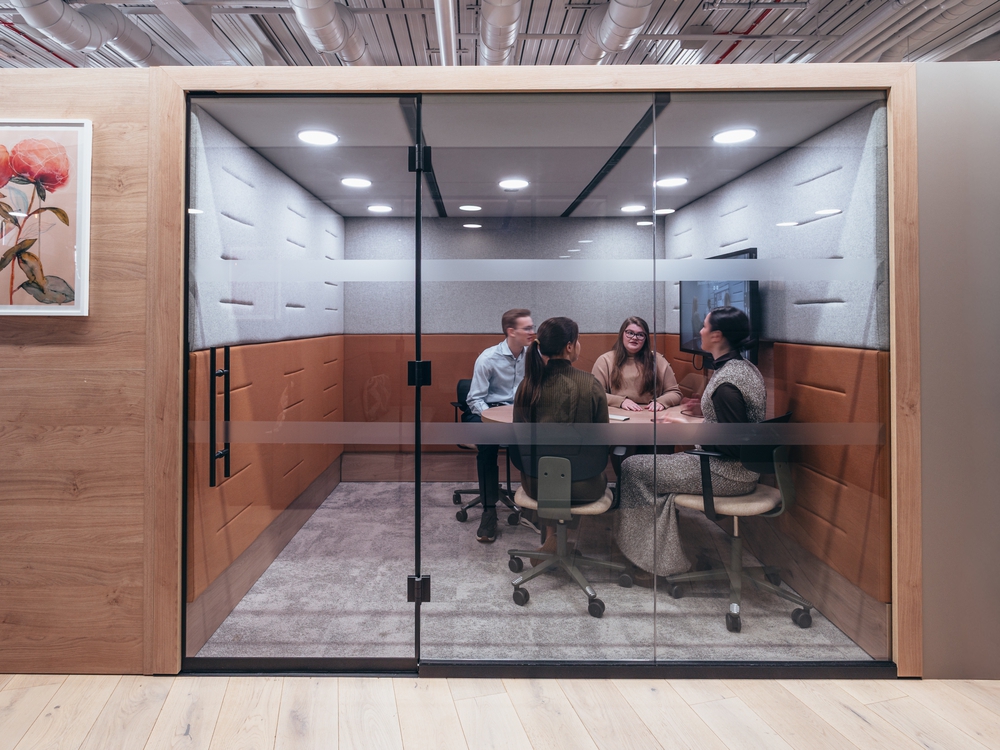
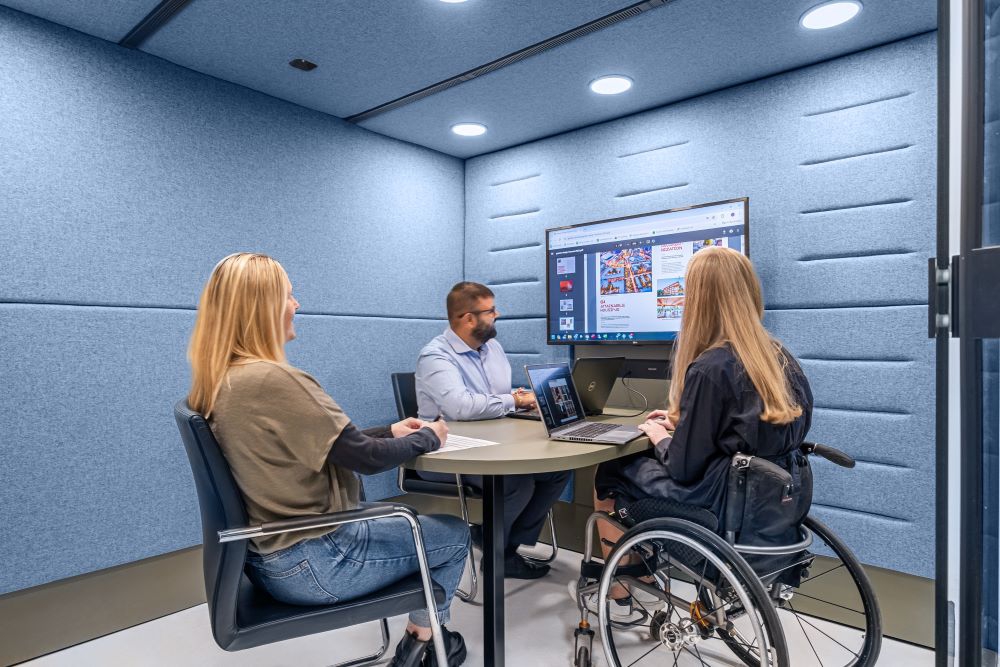
With pre-pandemic standards obsolete, organisations are viewing video‑ready environments as a necessity for workplaces.
What we are seeing: Special attention directed to camera angles and distance, lighting equity, and acoustics. Baseline requirements raising, with video performance treated as an inclusion and risk issue. Retrofitting for video later costing more than planning for it upfront.
Takeaway: Seamless and inclusive video experiences in single-user and team spaces is expected.
7. Inclusion Has Moved from Compliance to Reputational Risk
Organisations are focusing on operational inclusion. Ergonomics, sensory design, and ethical procurement are dominating briefings.
What we are seeing: Designing for neurodiversity is moving from “special request” to standard. Universal design framed as an ethical baseline, with integrated, non-stigmatizing accessibility praised. Over-specification, without real understanding, creates inefficiencies without lived benefit.
Takeaway: The conversation has matured. Inclusion failures now carry brand, talent and ESG risk.
8. Sustainability Scrutiny is Forensic, Not Performative
Claims are no longer enough. Stakeholders are interrogating supply chains with intensity, while long-term durability is becoming a frontline sustainability argument.
What we are seeing: Challenges to material chemistry, IAQ, PFAS and maintenance burden. Focuses on lifecycle and end-of-life, not headline credentials, where post-occupancy performance outweighs specification.
Takeaway: 'Green' claims are being tested like financial statements, and boards should expect deeper interrogation of what products are made of.
Final Thought: Workplace Strategy Has Moved into Its ‘Grown‑Up Era’
Q1 2026 is showing us at Spacestor that workplace strategy is maturing into something sharper, more data‑driven, and more human-aware than ever.
These are real shifts with real consequences and we're here for whatever the year ahead brings! If you'd like to get in touch to discuss any of the points in more detail or explore how Spacestor could support you with your next workplace project, reach out below :)
Nous vous remercions !
Your details have been submitted
Reach Out to Learn More
Discuss any of the points in more detail or explore how Spacestor could support you!