5 août 2026
Return to the Workspace Solutions
Creating a workplace that supports people, reflects your brand and adapts to the future doesn't have to mean investing heavily in every aspect of the space. The most successful workplaces aren't necessarily the most expensive; they're the ones that invest in the right things, in the right places.
Whether you're designing a new office, refurbishing an existing one or rolling out multiple locations, every project comes with a budget. The challenge isn't simply deciding what to buy, but understanding where investment will have the greatest impact on your people and your business.
Rather than taking a one-size-fits-all approach, think of your workplace design as a collection of layers. Some elements should be designed to last for many years, while others can be more flexible, cost-conscious or easier to refresh as your needs evolve.

Start with the Foundations
Lighting
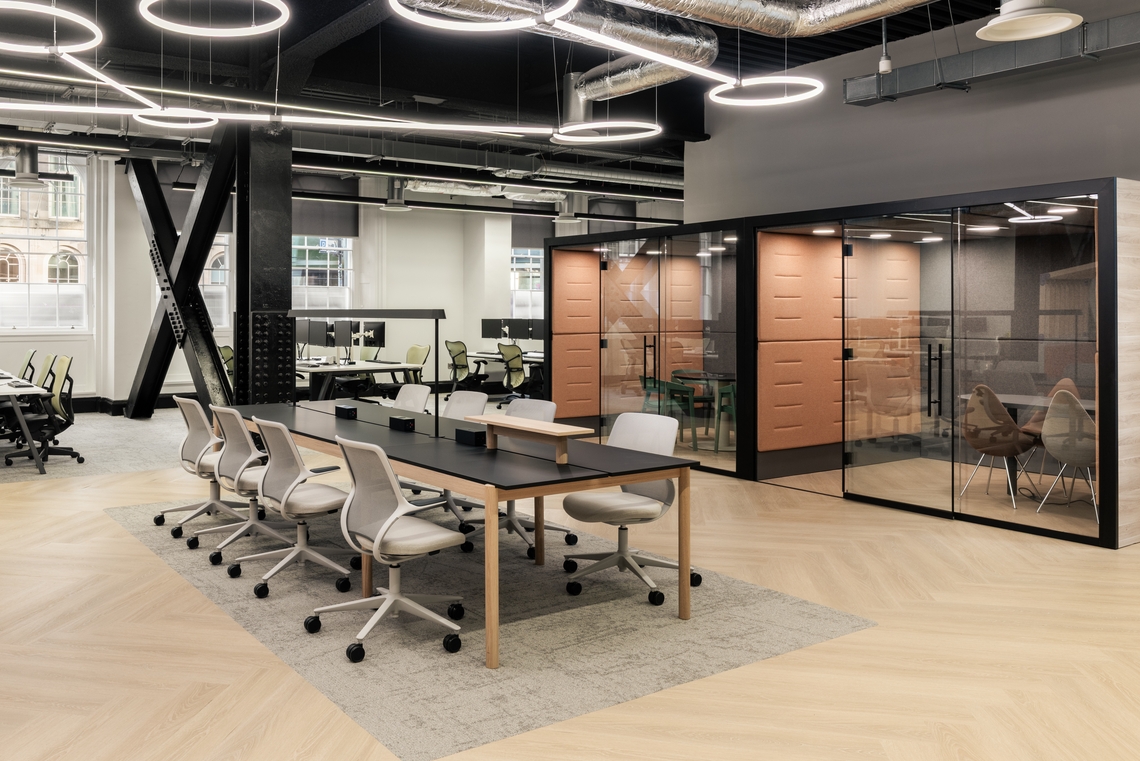
Lighting has one of the greatest influences on wellbeing, productivity and comfort. Poor lighting can contribute to eye strain, fatigue and reduced concentration, while a well-designed lighting scheme supports different types of work throughout the day.
Consider investing in:
- High-quality LED lighting with low energy consumption
- Adjustable task lighting where focused work takes place
- Lighting controls that respond to occupancy or daylight
- Warmer, softer lighting in breakout and social areas
Acoustics
Open-plan workplaces continue to offer flexibility and collaboration, but they also introduce one of the biggest workplace frustrations: noise.
Investing in acoustic performance creates environments where people can focus, collaborate and take private conversations without distraction.
This doesn't necessarily mean filling an office with acoustic panels. Instead, think about creating a layered acoustic strategy using:
- Ceiling treatments
- Wall panels
- Acoustic screens
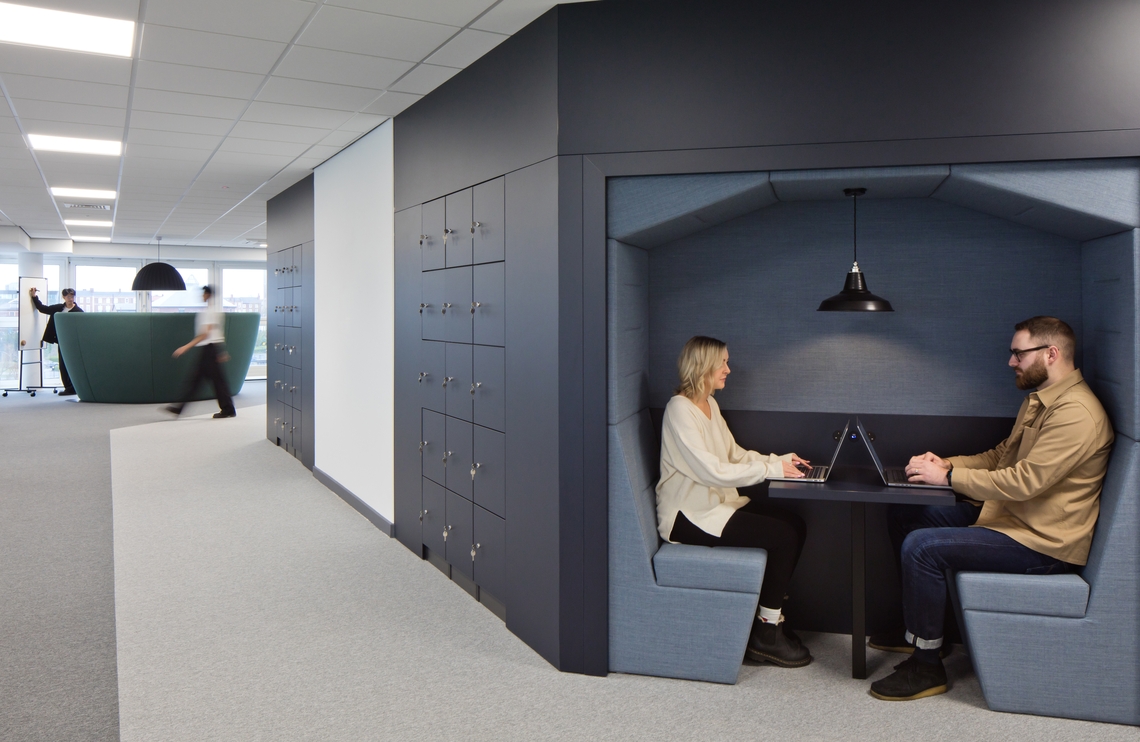
- Privacy booths
- Upholstered furniture
- Rugs and soft finishes
- Spatial zoning
Different spaces require different acoustic performance. Quiet focus areas deserve a higher level of investment than informal touchdown spaces, allowing budgets to be allocated where they have the greatest impact.
Invest Where People Spend the Most Time and According to Purpose
Furniture is often one of the largest visible investments in a workplace, but not every piece needs the same level of investment. The key is understanding how each element contributes to the overall employee experience and choosing solutions that are fit for purpose.
Workstations
Workstations remain the foundation of many offices, but the way people use them has changed. With hybrid working reducing assigned desk usage in many organisations, there's an opportunity to focus investment on quality over quantity.
Height-adjustable desks, ergonomic accessories and durable finishes can make a significant difference in spaces where employees spend much of their day, while shared touchdown areas may require a simpler specification. The goal is to create comfortable, adaptable work settings that support different working styles without overspending where it's unnecessary.
Collaboration Spaces
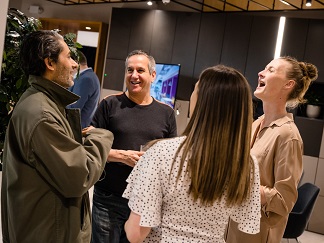
The workplace has become a destination for connection, making collaboration spaces more important than ever. These environments deserve thoughtful investment, as they're where ideas are shared, decisions are made and teams come together.
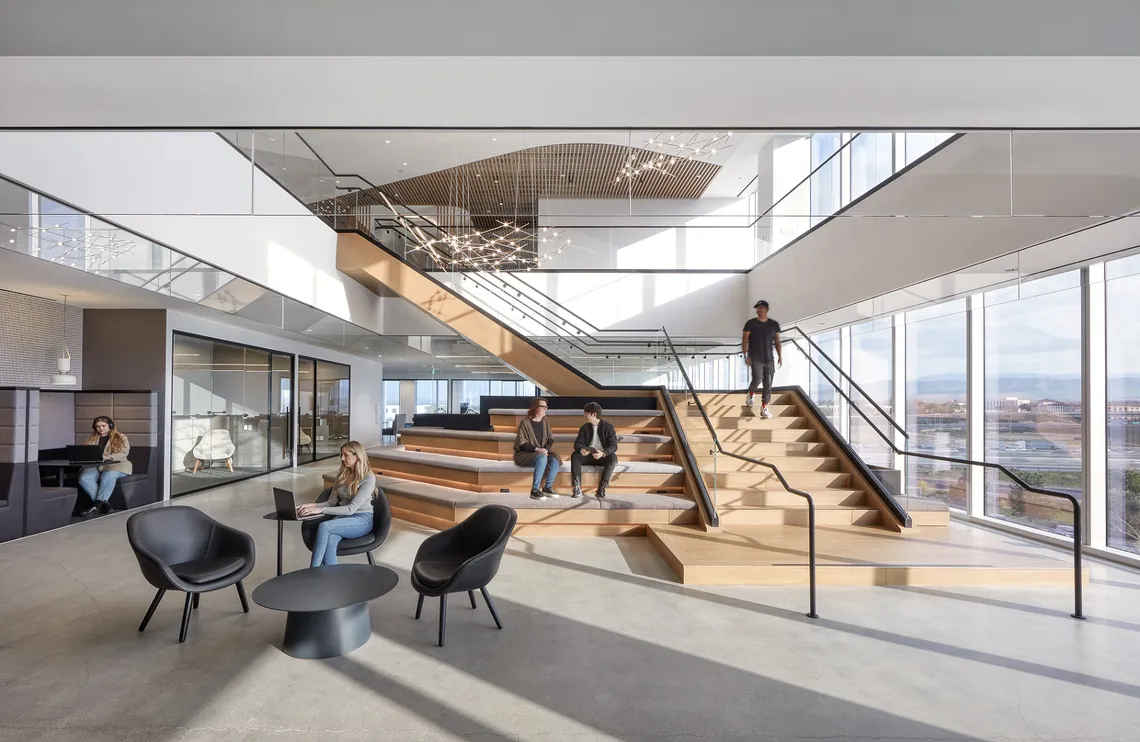
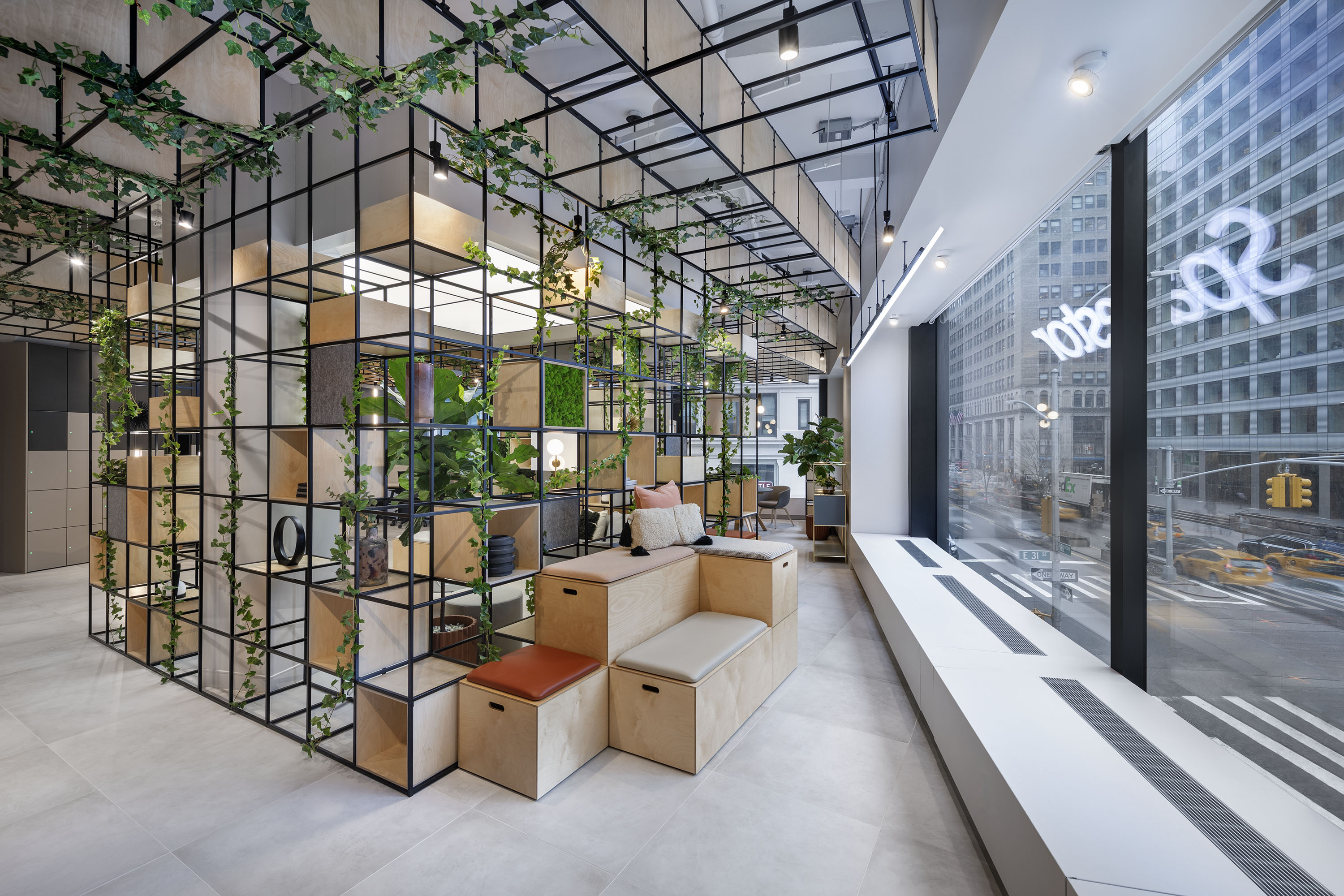
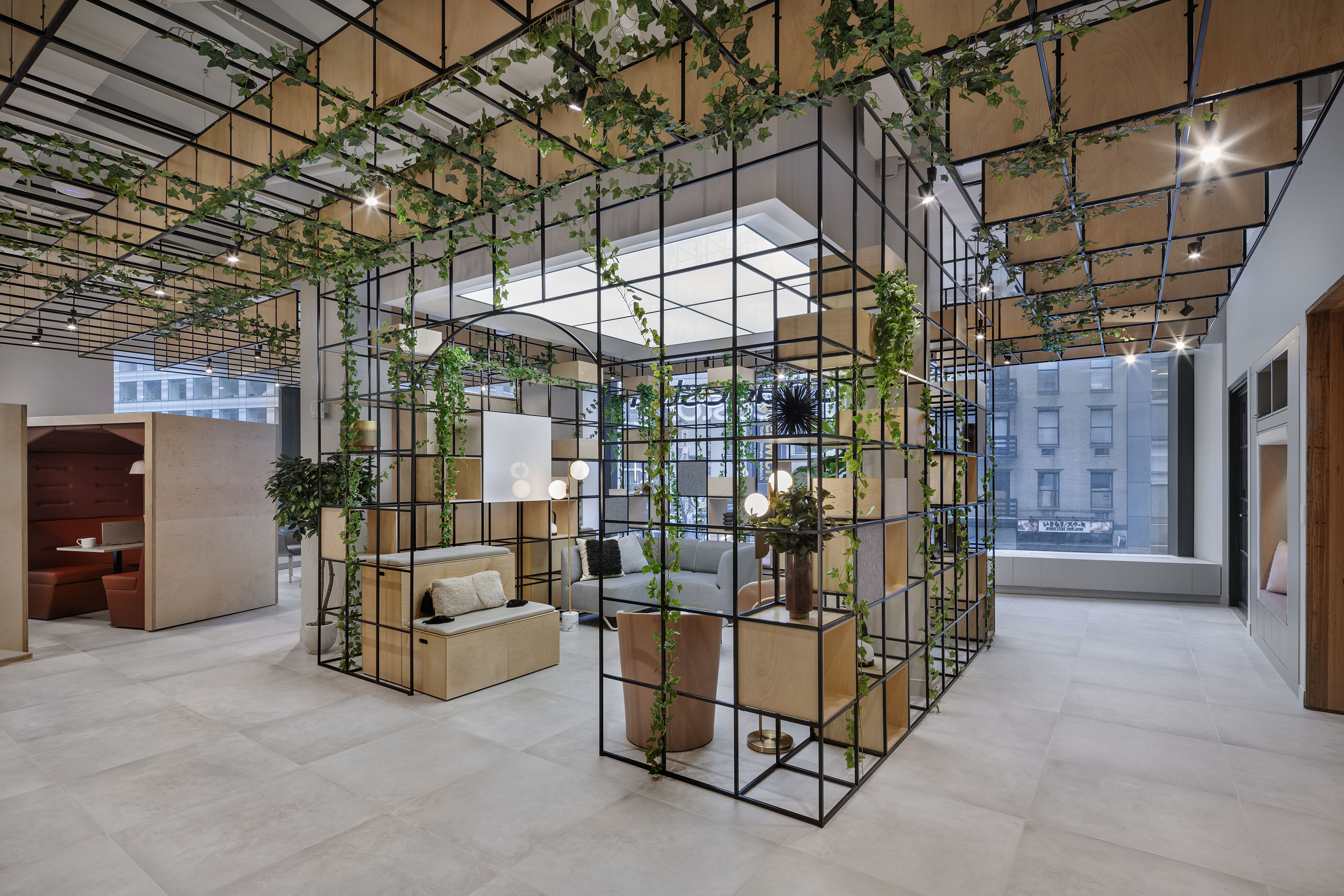
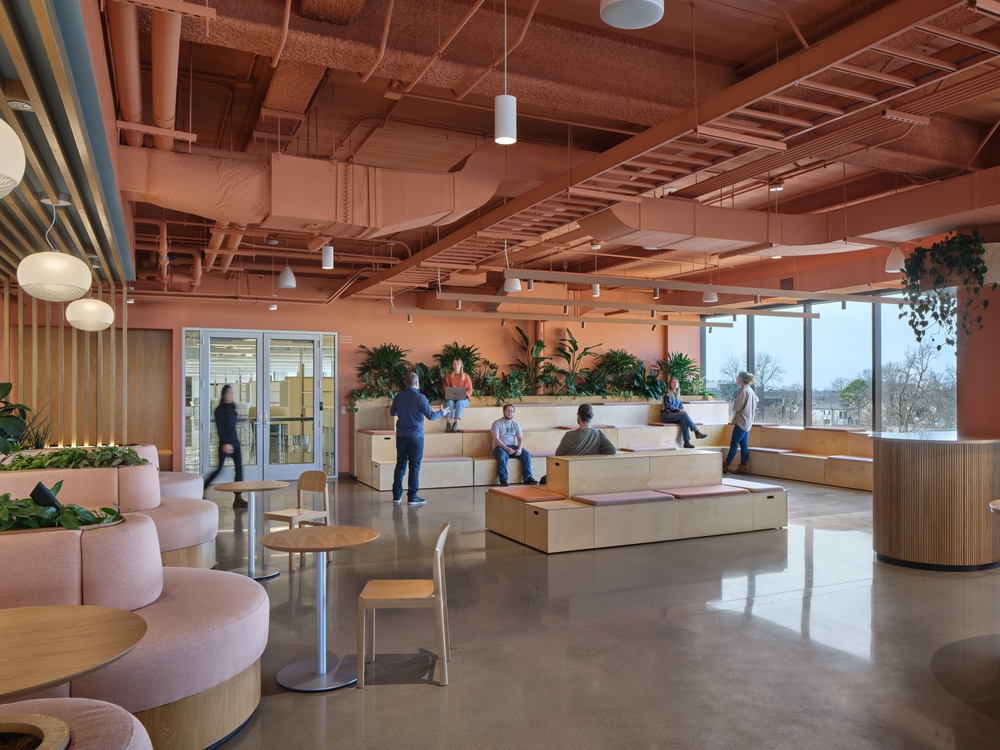
This could include everything from informal seating, such as Spacestor’s Bleachers, to enclosed collaboration booths like Portals Huddle that support small team meetings without the need for a traditional meeting room. Investing in a variety of collaborative settings gives employees the freedom to choose the environment that best suits the task at hand.
Privacy and Focus
As open-plan workplaces continue to evolve, providing spaces for focused work and private conversations has become essential.
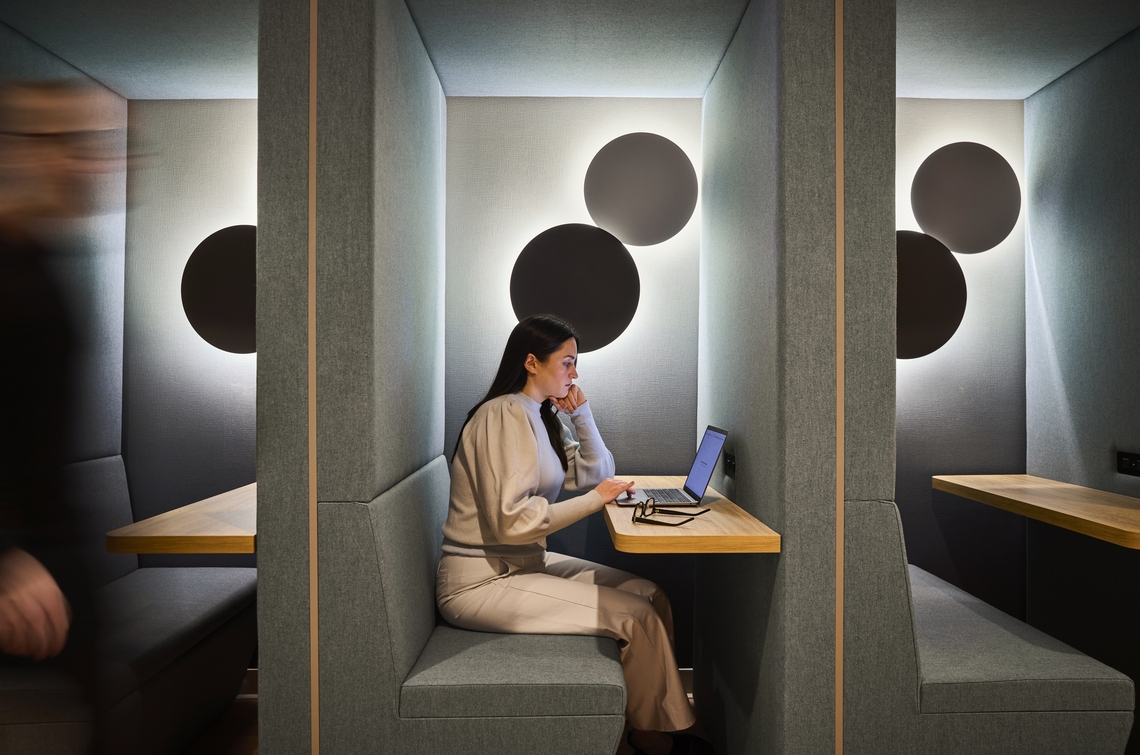
Single-user pods, acoustic booths and enclosed focus spaces such as the Portals family, can significantly improve productivity by offering employees somewhere to concentrate, take video calls or step away from the activity of the main office. While these solutions often represent a higher investment, their impact on employee experience and workplace functionality can make them one of the most valuable additions to a modern office.
Storage and Lockers
With flexible working becoming the norm, personal storage has shifted from under-desk pedestals to shared locker systems.
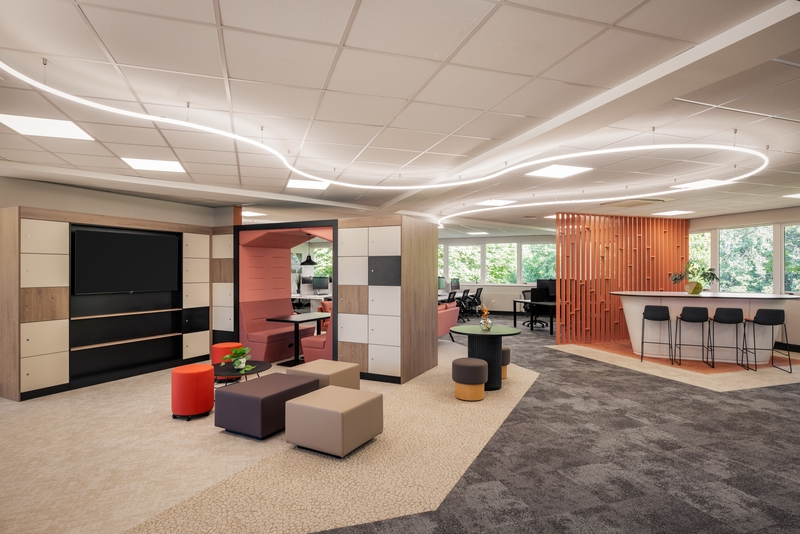
Rather than viewing lockers as a purely functional necessity, they can become part of the workplace design itself. Integrated storage can help define neighbourhoods, improve wayfinding, provide display opportunities or even act as subtle space dividers. Investing in well-designed, durable locker systems can deliver long-term value while supporting a more agile workplace.
Create Flexible Spaces That Can Evolve
Workplace needs rarely stay the same for long. Teams grow, projects change and businesses evolve. Furniture and space planning should be able to adapt alongside them.
This is where flexibility often delivers a better return than simply buying the most expensive solution. Modular furniture, mobile storage, movable screens and reconfigurable meeting settings allow organisations to refresh layouts without starting from scratch every few years.
Designing for adaptability is often one of the smartest investments a workplace can make.
Don't Underestimate Biophilic Design
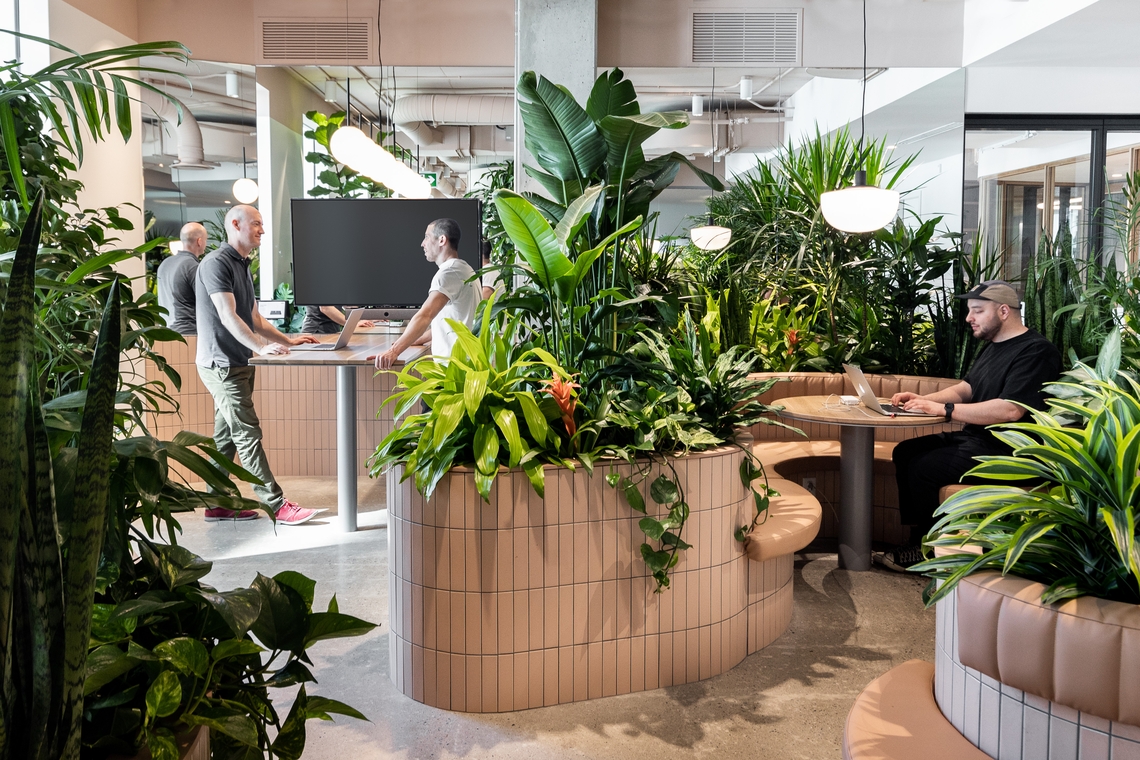
Biophilic design is often viewed as an optional finishing touch, but its benefits extend well beyond aesthetics.
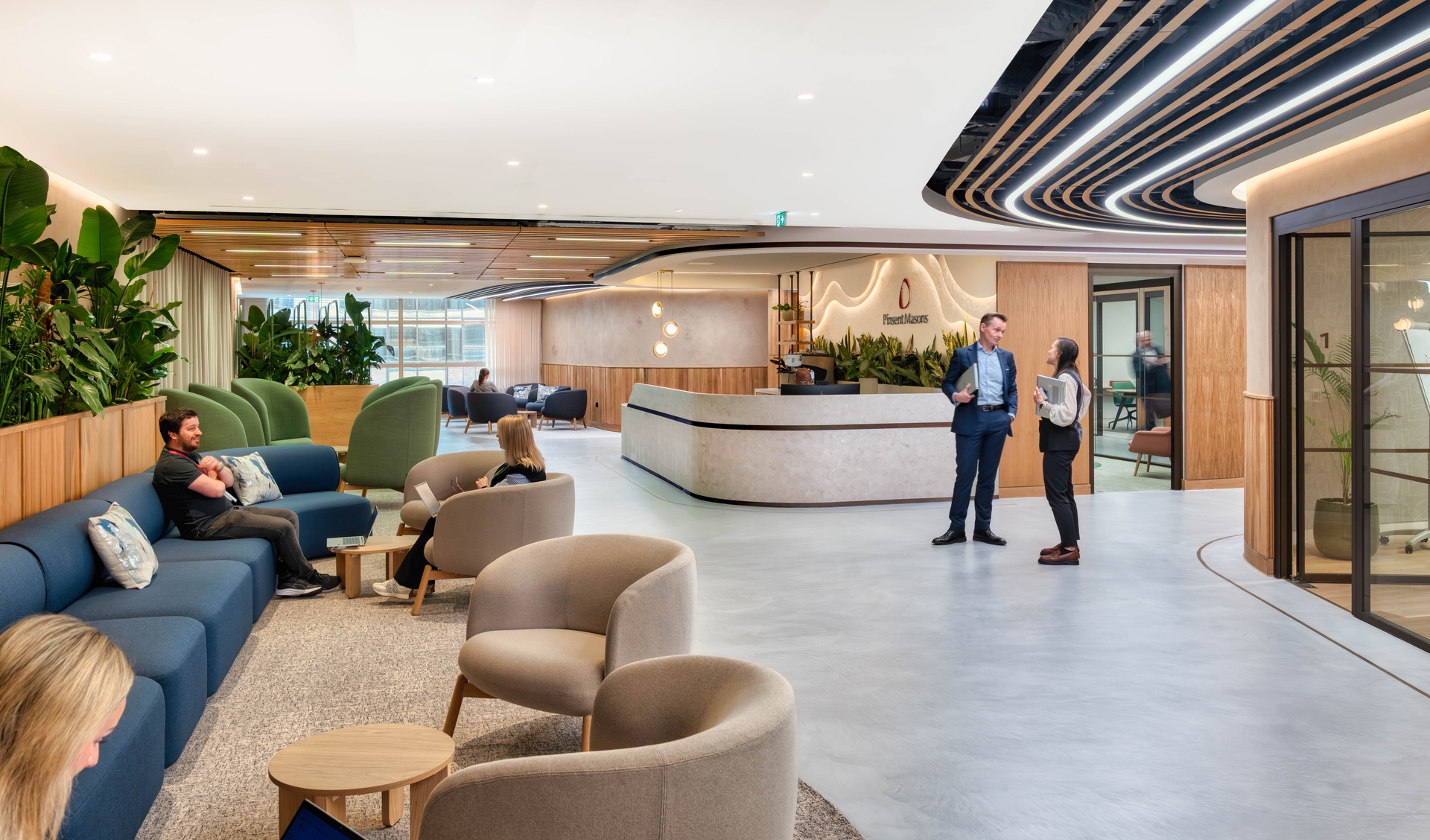
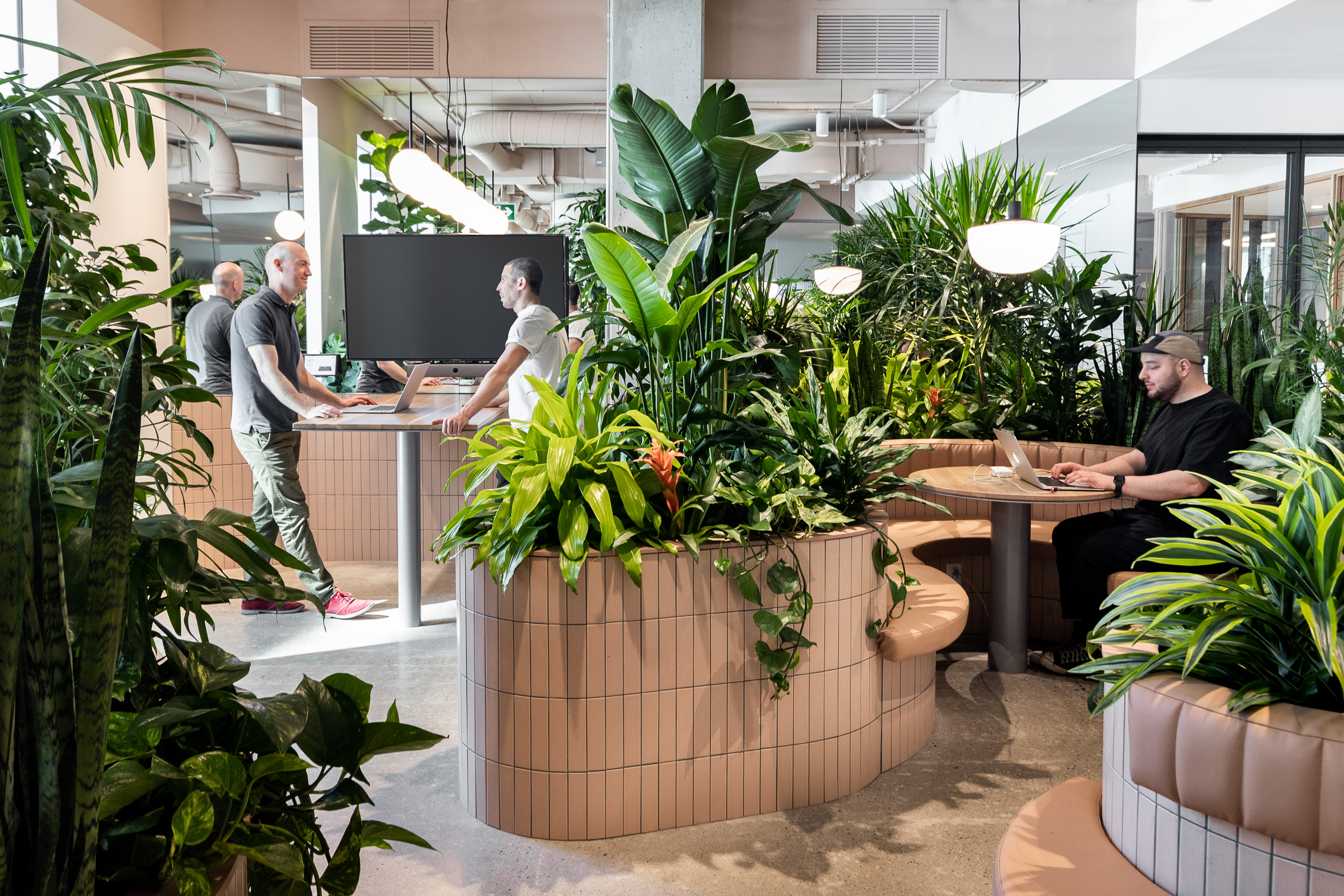
Plants, natural materials and visual connections to nature have been shown to support wellbeing, reduce stress and improve workplace satisfaction.
Investment doesn't need to be excessive. Simple interventions such as:
- Large statement planting
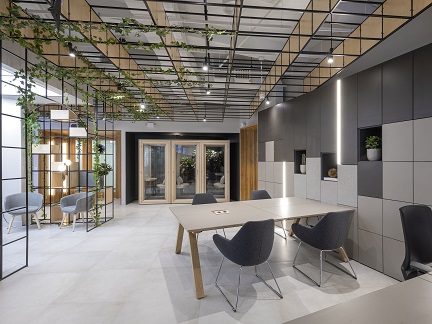
- Green dividers between work settings
- Timber finishes
- Natural textures
- Access to daylight
- Views outside
can significantly improve how a workplace feels without requiring a major budget.
Think in Terms of Lifetime Value
The cheapest option isn't always the most cost-effective.
Higher-quality products often last longer, require less maintenance and continue performing for many years, reducing replacement costs over time. Solutions that have the ability to adapt and grow with you are even more valuable.
Equally, some workplace elements are intentionally designed to evolve. Decorative accessories, loose furniture and styling can all be refreshed relatively easily as branding, culture or ways of working change.
Understanding which investments should last a decade and which may change every few years helps create a workplace that's both financially responsible and future-ready.
Every workplace has different priorities, different people and different budgets. The goal isn't to spend more; it's to spend wisely.
By identifying where investment will have the greatest impact, organisations can create environments that improve wellbeing, support productivity and remain adaptable long into the future.
The most successful workplaces balance long-term investment in the foundations with flexibility in the elements that are most likely to evolve. That creates spaces that not only look great on day one but continue delivering value for years to come.
Partager cet article