Every Square Foot Counts: Workplace Design for a Tighter Office Market
When prime space is scarce and expensive, the question shifts from how much office you have to how well every part of it works.

Prime office space is in short supply on both sides of the Atlantic. In Central London and Manhattan alike, the best buildings are being leased faster than new ones arrive, and rents are following. At the same time, the UK's leading workplace awards have just celebrated projects that kept, adapted and reimagined what was already there.
Put together, these signals point to a simple idea we keep coming back to in conversations with designers, workplace strategists and occupiers: in a tighter office market, every square foot counts. Here's what that means for workplace design.
1. Prime Space Is Scarcer, and It Costs More
The data this autumn is striking. Savills reports that the Central London vacancy rate has fallen to 7.0%, with West End Grade A rents around 42% higher than a year ago and City Grade A rents up around 20%. In New York, Colliers reports that Manhattan's available office supply is at its lowest level since August 2020, after more than 10 million sq ft was leased in the third quarter.
Occupiers are competing for quality rather than quantity. Smaller, better-located footprints are common, and that puts pressure on every zone to justify its place on the plan.
When space is premium, density of purpose matters more than density of desks.
2. Refurbish First, Rebuild Last
At the BCO Awards this month, refurbishment and reuse were front and center. Refurbishing rather than demolishing the Renold Building delivered a reported 71% reduction in embodied carbon, and TBC.London retained and adapted more than 70% of its existing structure.
Retrofit is increasingly seen as the ambitious choice, not the cautious one. The same thinking is moving inside the building: fit-outs that can be adapted rather than stripped out, and furniture that can be reconfigured, relocated and reused as needs change.
The most sustainable workplace is often the one you already have, thoughtfully reimagined.
3. Flexibility Is Still the Baseline
Hybrid working isn't going away. New research from Acas, carried out by YouGov, found that 78% of employees in Great Britain consider flexible working important in a job.
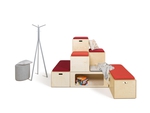
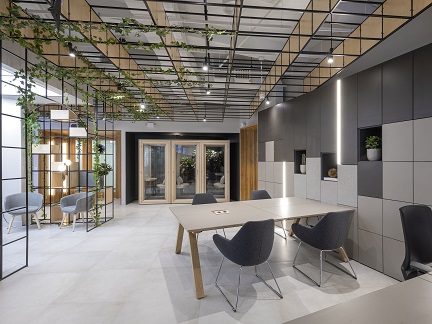
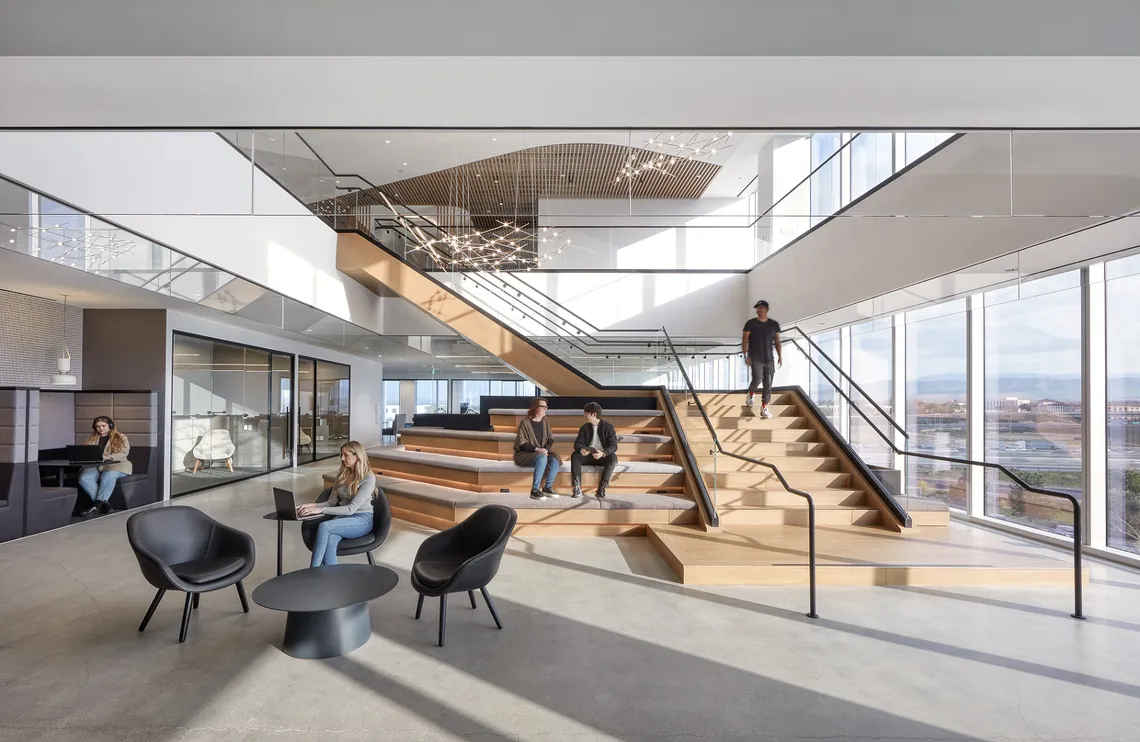
If people have a choice about when they come in, the office has to give them a reason. That reason is usually connection: with colleagues, with the culture and with the kind of work that's easier together. Settings for gathering, from team tables to tiered seating such as Bleachers, earn their footprint when they can flex between an all-hands, a workshop and a quiet lunch.
Design the office for the days people choose to be there.
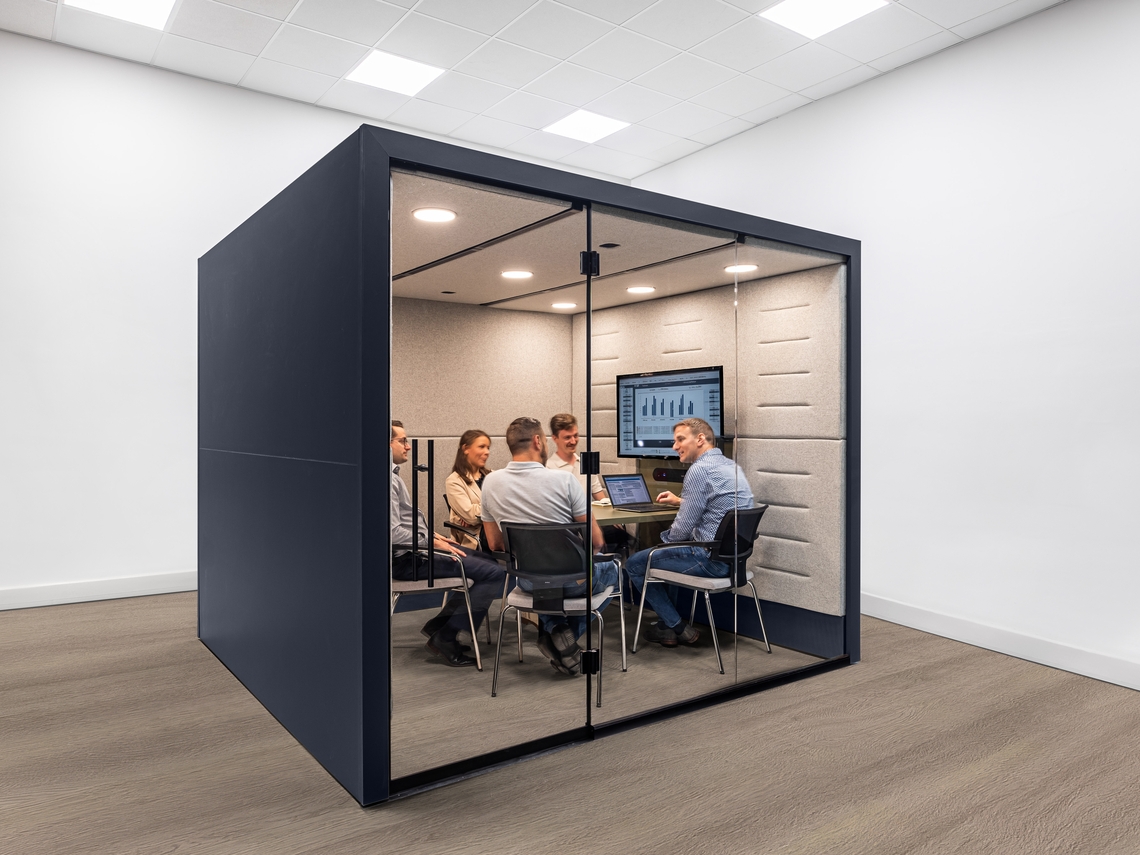
4. The Meeting Room Is Being Rethought
Large, fixed meeting rooms are an expensive way to host a two-person video call. Many workplaces are rebalancing toward smaller, more varied spaces that can be booked or used on the spot.
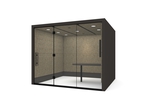
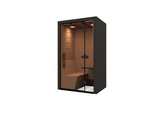
At Synopsys in Dublin, Portals Huddle and Portals Quiet pods now handle calls, focus and quick collaboration. As Andrew Levine, Principal Workplace Lead at Synopsys, put it, "people no longer have to either look for a meeting room, or take up a large meeting room, just for calls." (Read the case study.) Freestanding meeting spaces such as Portals Room follow the same logic: a room that can move when the team does.
Right-size meeting space to the meetings people actually have.
5. Privacy and Focus Are Infrastructure
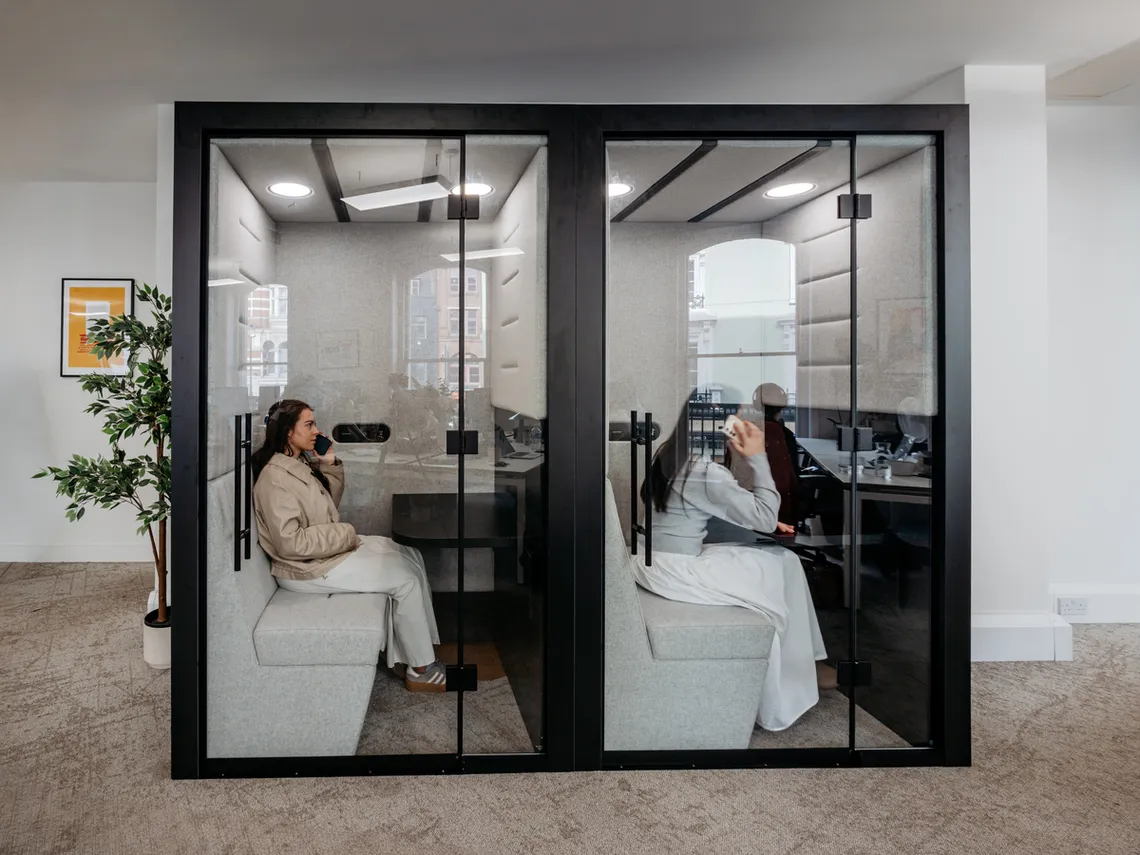
Open, connected workplaces remain popular, but they only work when people also have somewhere to retreat to. As layouts get denser, focus space becomes more valuable, not less.
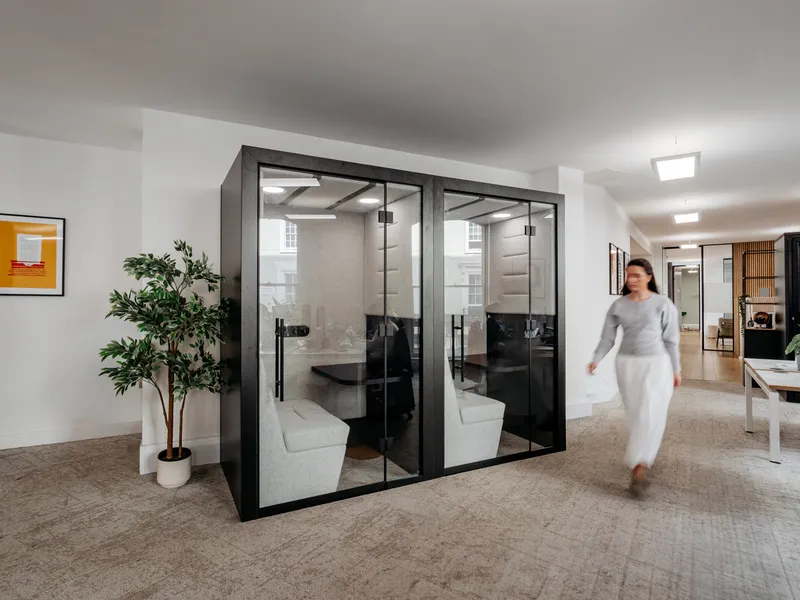
In Covent Garden, Essenta Partners added Portals Quiet pods to an office that already worked well, creating private space for calls and video meetings while keeping its open feel and consistent look. It's a good example of adding capability without starting again.
Focus space is productivity infrastructure, not a nice-to-have.
6. Furniture Is a Long-Term Asset
When buildings are being kept for longer and floorplates are being used more intensively, the furniture inside them needs to keep pace. Modular, freestanding pieces can be reconfigured as teams grow and relocated when leases change.
Clients increasingly ask how a scheme will adapt in three or five years, not just how it looks on day one. Reusability, recyclability and material transparency are becoming part of the brief. Our own products are designed to be at least 85% recyclable, and our Sustainability whitepaper explores how designers and occupiers are approaching this.
Specify for the next layout, not just this one.
Final Thought
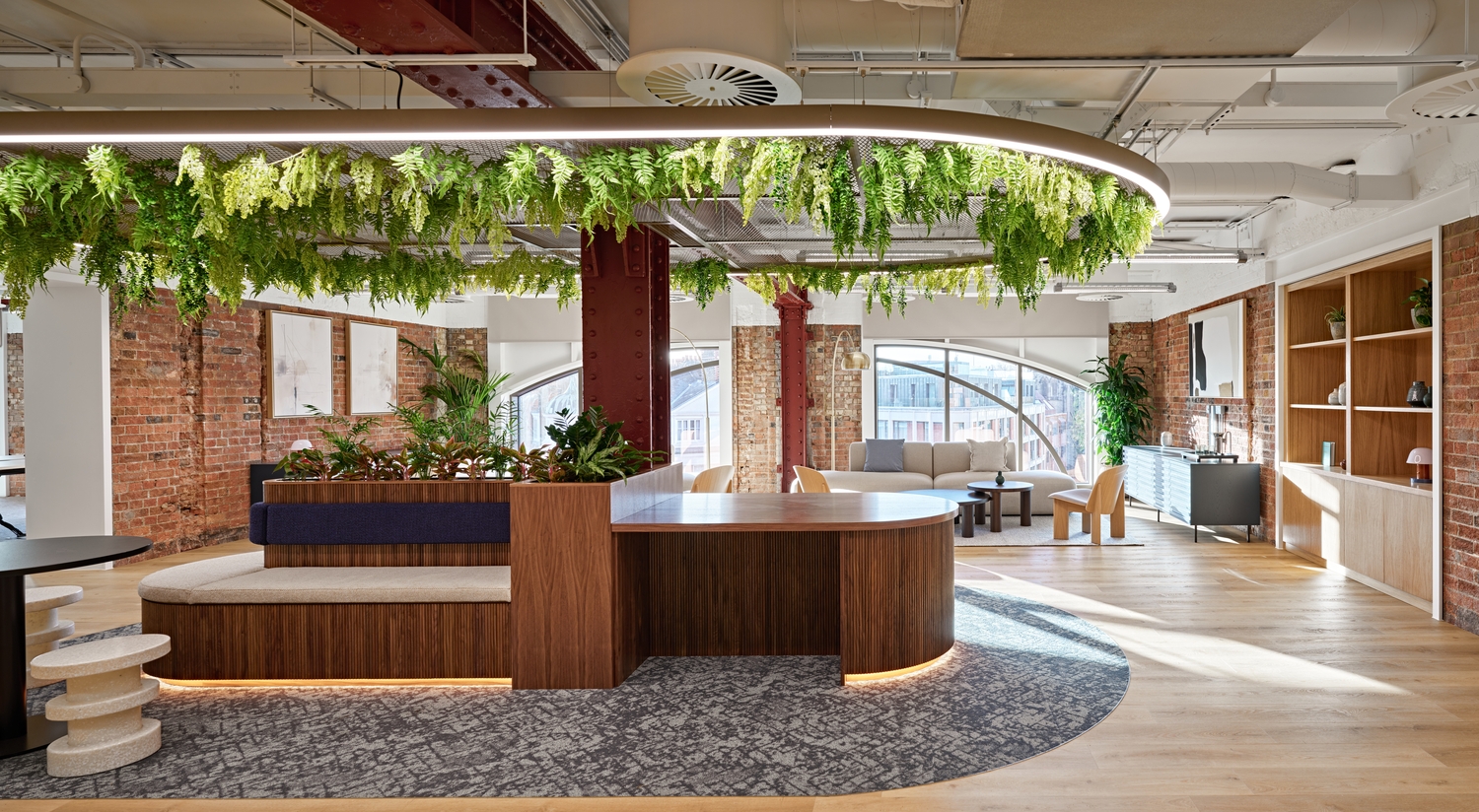
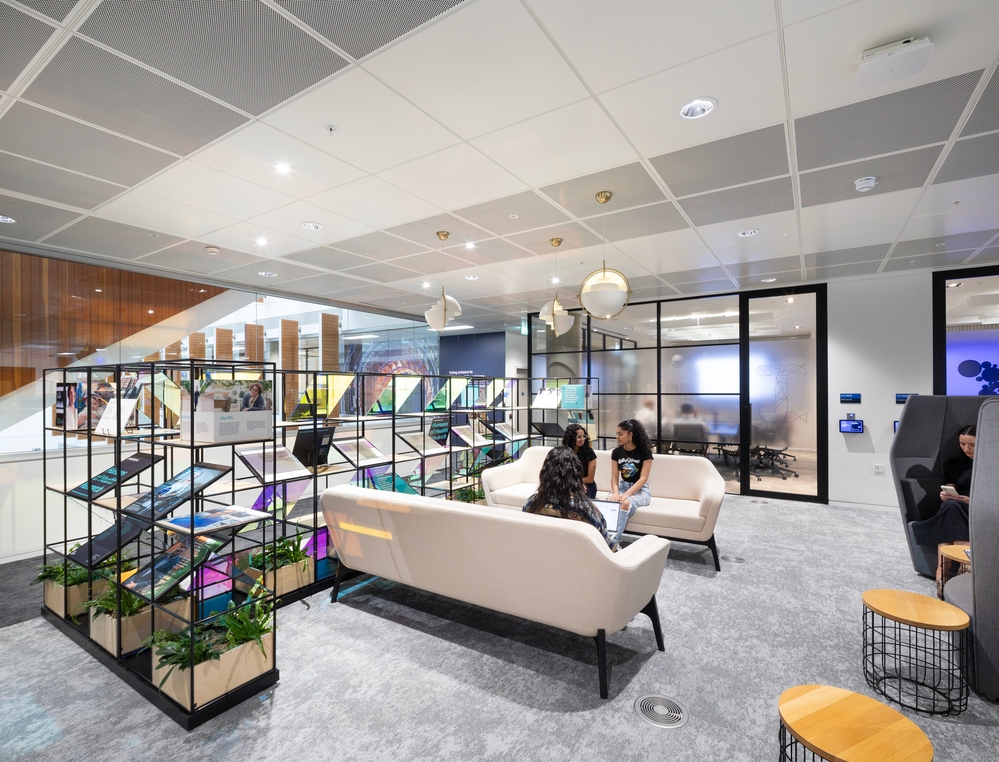
A tighter office market doesn't have to mean a more constrained workplace. It can mean a more considered one, where every zone is chosen for a reason, existing buildings and furniture are given a longer life, and the office earns its place in people's week.
To discuss any of these points in more detail, or explore how Spacestor could support your next project, reach out via the contact us page.
FAQs
Why does space efficiency matter more in a tight office market?
When prime space is scarce and rents rise, occupiers often take smaller, better-quality footprints. That makes it more important for every zone to support how people actually work, from focus and calls to collaboration and social connection, rather than adding space that sits unused.
Are freestanding meeting pods an alternative to built meeting rooms?
For many meetings, yes. Freestanding pods and meeting spaces can host small-group calls and collaboration without the cost and permanence of construction, and they can be reconfigured or relocated as needs change. Many workplaces use a mix of both.
How does furniture support a retrofit-first approach?
Modular, freestanding furniture can be reconfigured, relocated and reused as teams and buildings change, which extends its useful life and reduces the need for strip-out and replacement. Choosing recyclable products with transparent material data supports the same goal.

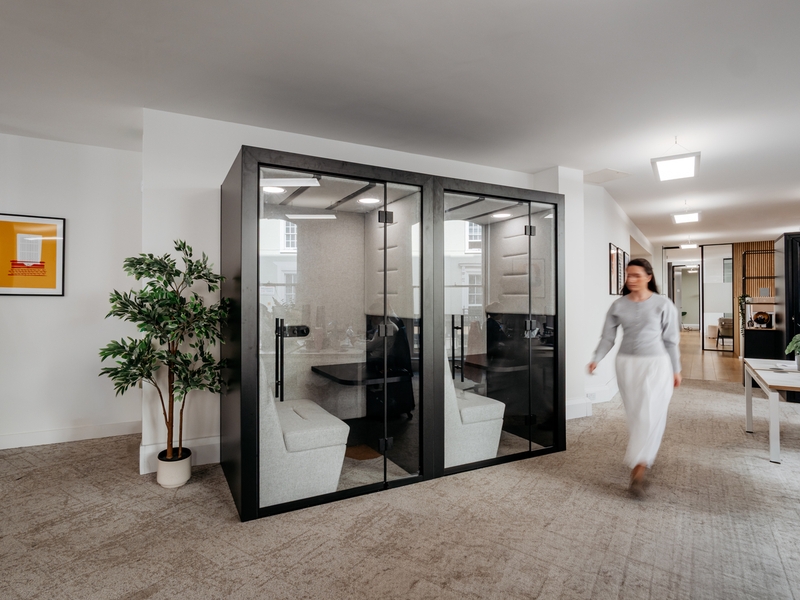
Choosing a solution that complemented the way their team works and the workplace they had already built
PROFESSIONAL SERVICES
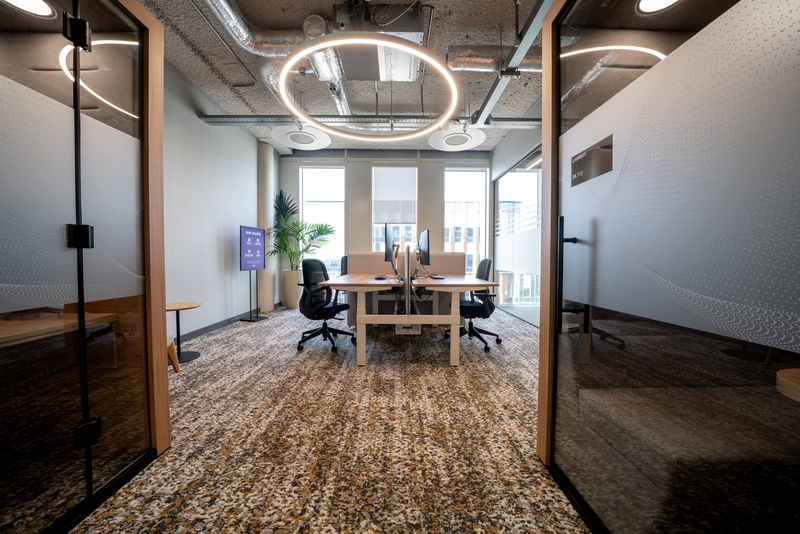
Building on a strong long-term partnership, this workspace was designed to seamlessly support focus, collaboration, and…
TECHNOLOGY & IT