6 juillet 2026
Tendances du secteur
As we move into the second half of the year, the conversations we're having with clients and the projects emerging across the industry all point towards the same conclusion, today's workplaces need to be more adaptable, more human, and more personalised than ever before.
Across every sector, organisations are rethinking what the office needs to provide. Rather than merely a place to work, today's workplace is a destination that supports connection, wellbeing, focus, and culture.
Here are four key trends we're seeing shaping workplace design right now:

1. The Workplace Continues to Take Inspiration from Hospitality
The line between hospitality and workplace design continues to blur.
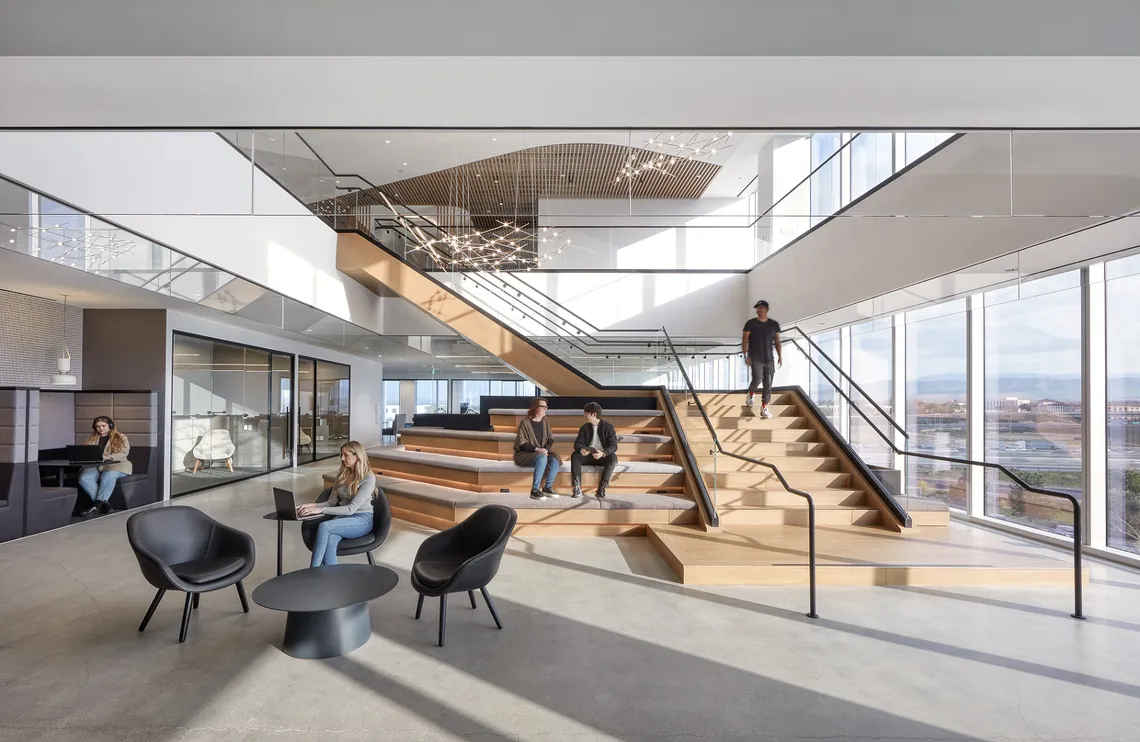
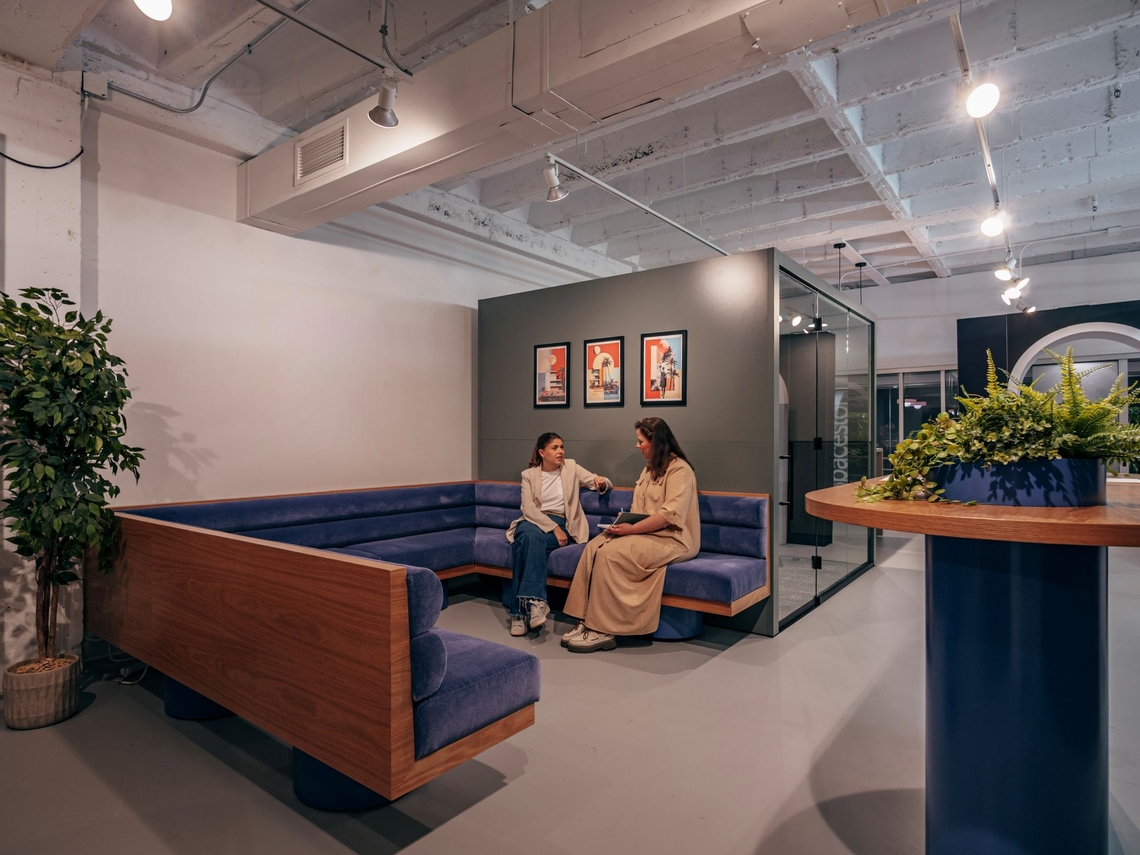
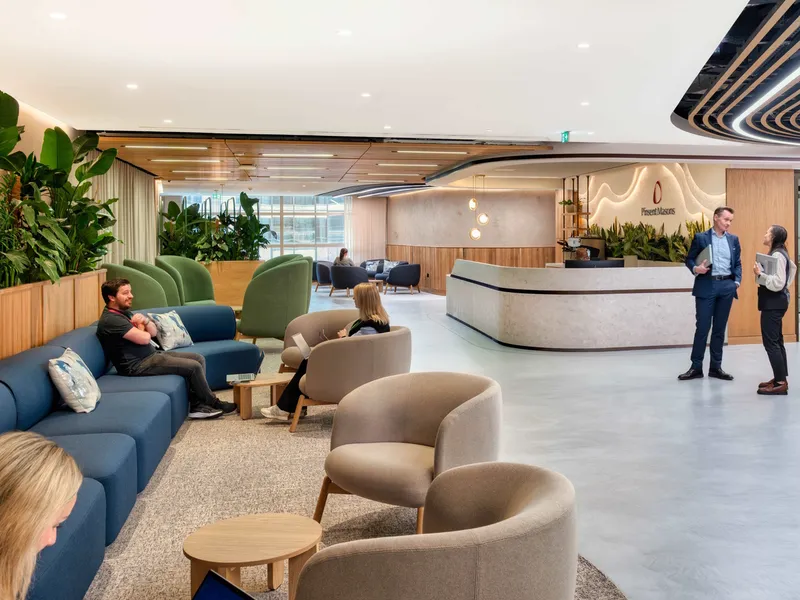
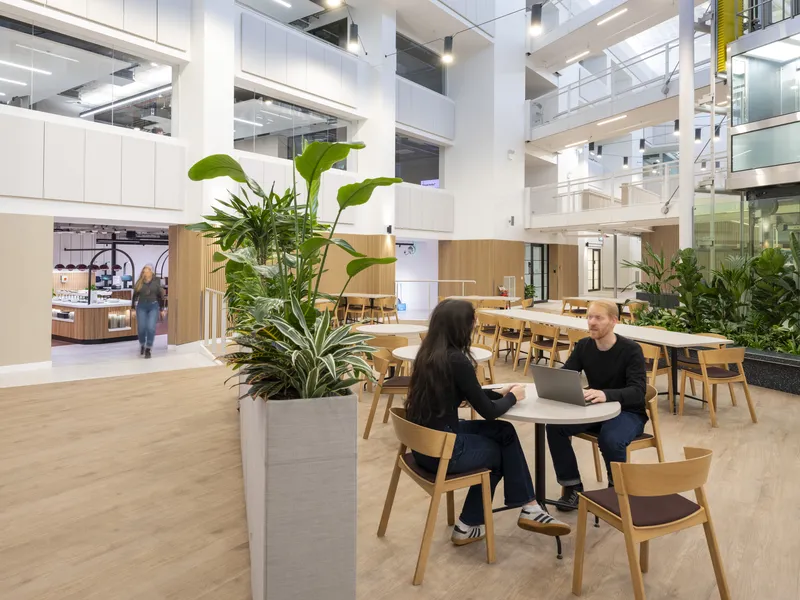
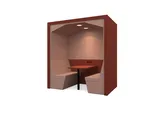
From lounge-style collaboration spaces and banquette seating to café-inspired hubs and amenity-rich environments, organisations are creating workplaces that feel welcoming, comfortable, and experiential.
This shift is being driven by a simple reality: people have more choice about where they work than ever before. The office must offer something that employees cannot get elsewhere.
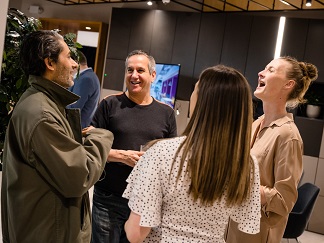
Spaces designed with hospitality principles encourage people to gather, stay longer, and interact more naturally. They create opportunities for spontaneous conversations, collaboration, and community-building, all of which are increasingly valuable in today's hybrid world.
2. Choice and Flexibility Remain Critical
The era of the one-size-fits-all office is firmly behind us.
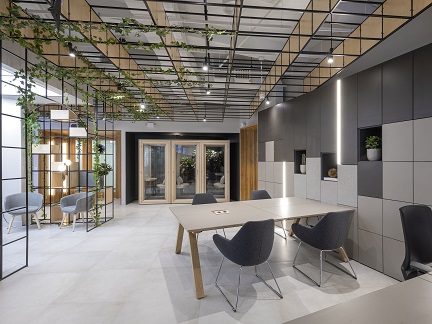
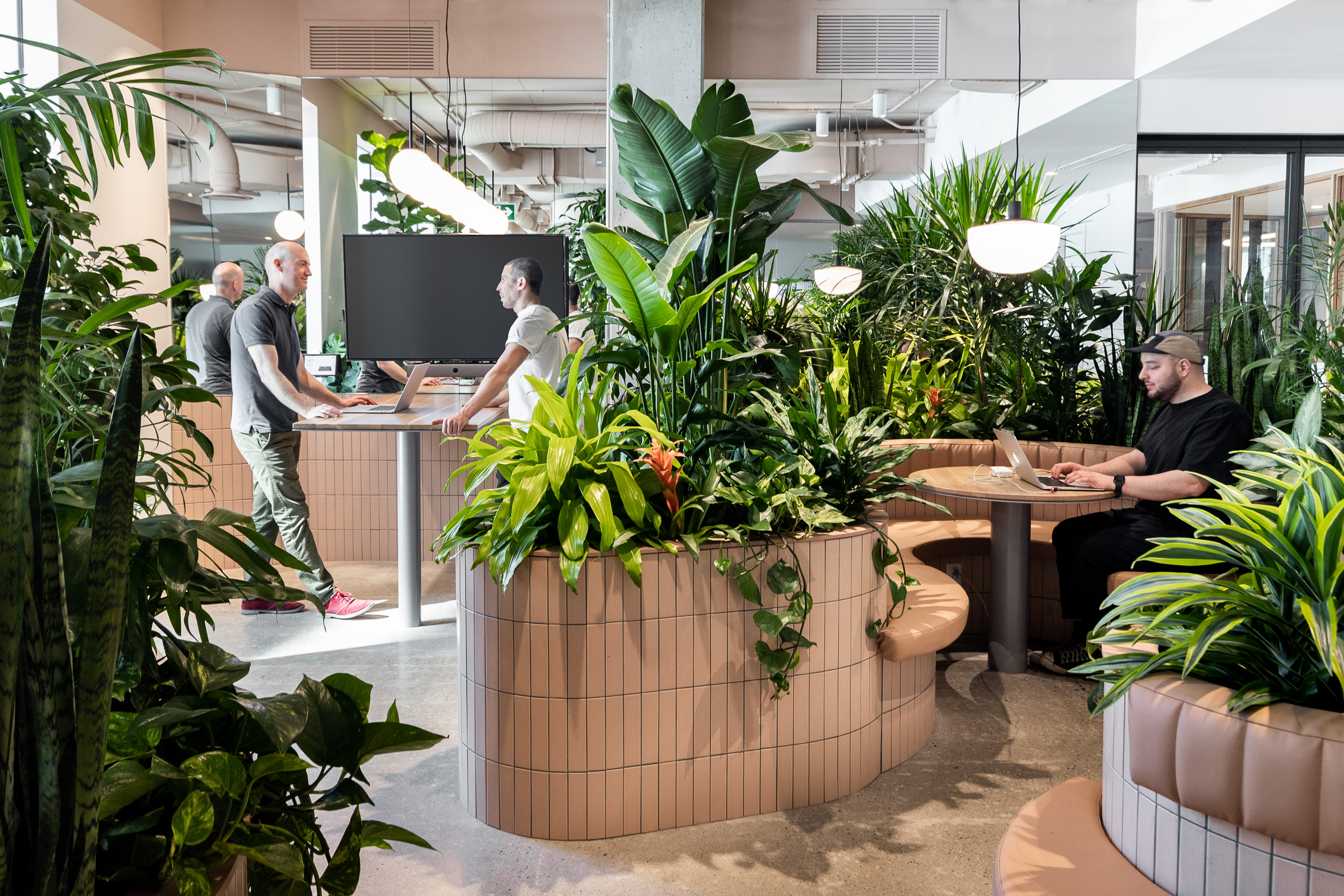
Every individual works differently, and even the same person may need different environments throughout the day depending on the task at hand. As a result, organisations are investing in workplace ecosystems that provide greater choice and flexibility.
We're seeing a continued rise in:
- Alternate work points
- Collaborative hubs
- Quiet focus spaces
- Touchdown areas
- Informal meeting zones
- Team neighbourhoods
The most successful workplaces recognise that productivity isn't tied to a single desk. Instead, it's enabled by providing employees with the freedom to choose the right setting for the activity they're undertaking.
3. Privacy, Focus and Neuroinclusive Design Are Becoming Business Priorities
As workplaces become increasingly collaborative and interconnected, the need for spaces that support concentration and wellbeing has never been greater.
At the same time, awareness around neurodiversity is growing, and organisations are beginning to understand that creating truly inclusive workplaces means designing for a wider range of sensory and cognitive needs.
Technology is also changing the way we work. AI-assisted tasks, video meetings, and voice-to-text tools all require different types of environments, many of which demand greater levels of privacy and acoustic control.
This is driving demand for:
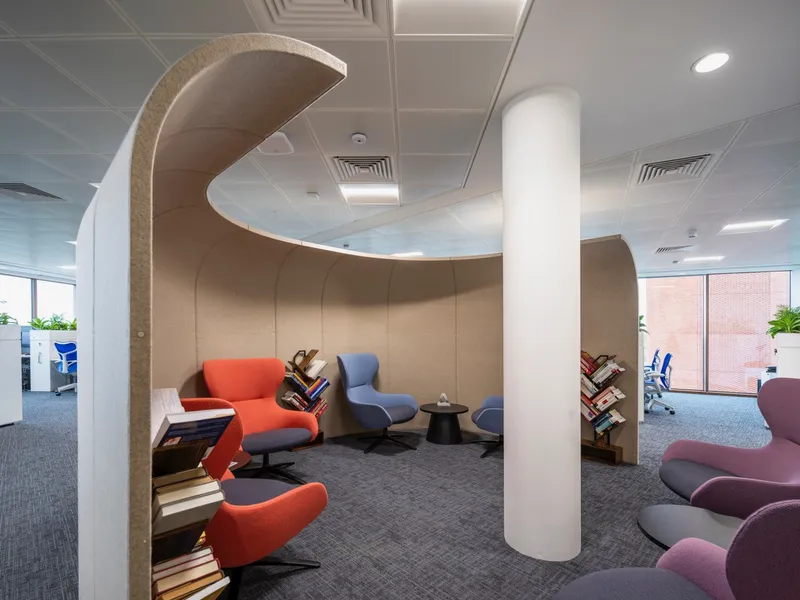
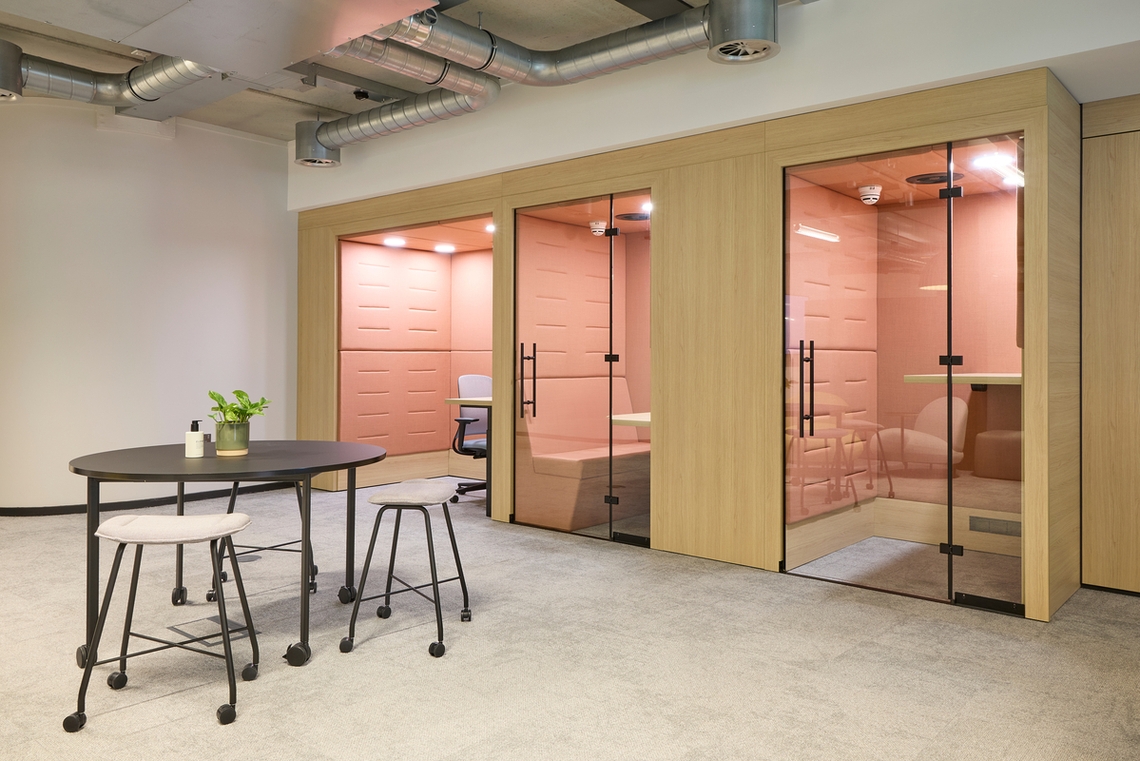
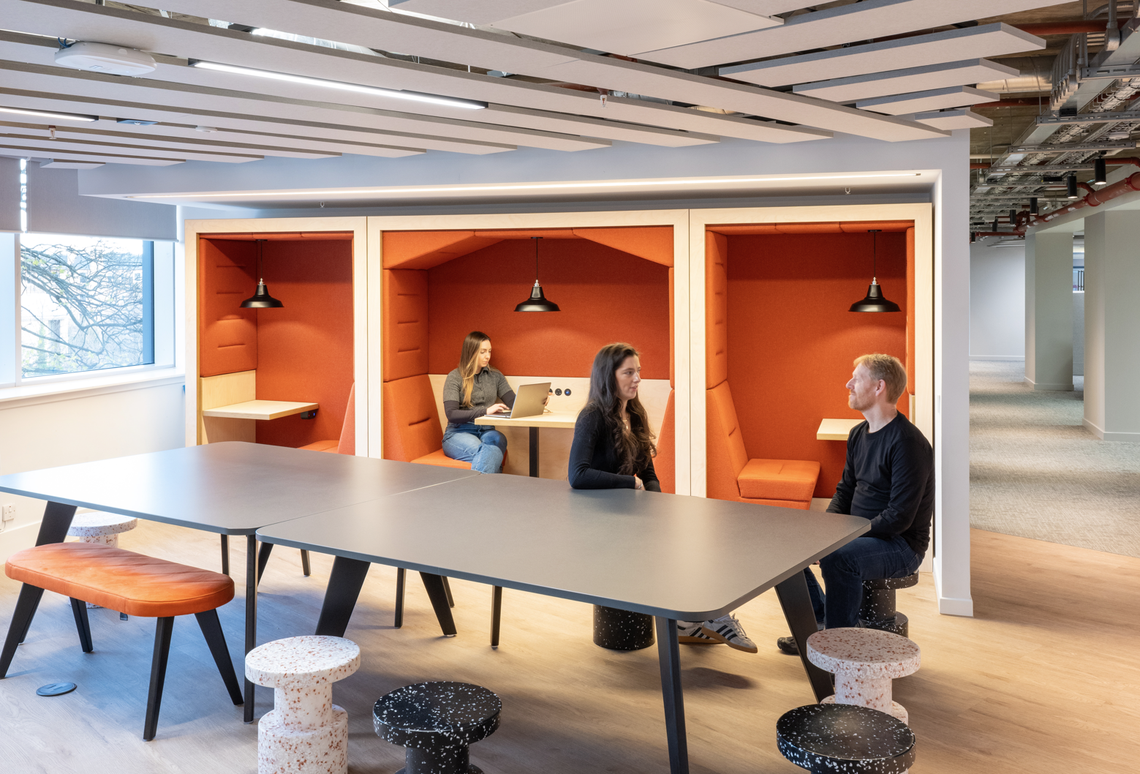
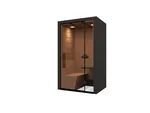
- Enclosed spaces for focused work
- Acoustic separation
- Quiet retreats
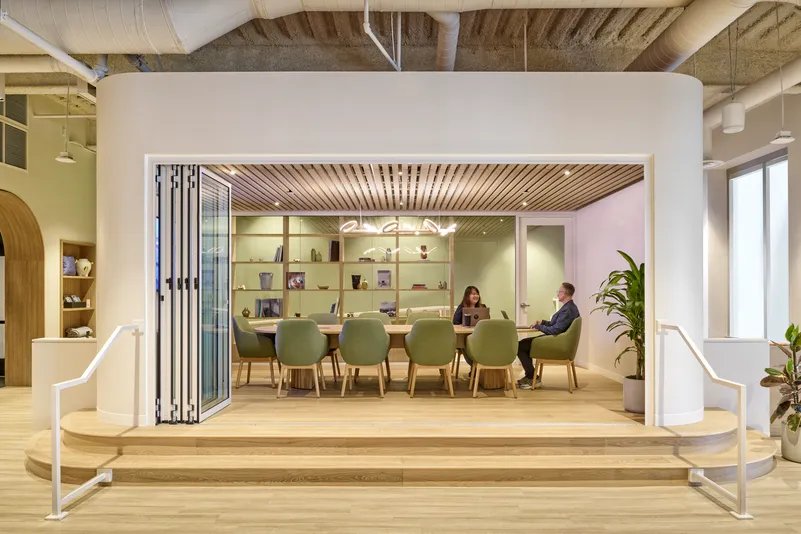
- Private meeting environments
- Spaces that support sensory regulation
Privacy is not considered a luxury or an afterthought. It's becoming an essential ingredient in creating high-performing, inclusive workplaces where everyone can do their best work.
4. Warm, Human-Centred Design Is Replacing Traditional Corporate Aesthetics
The era of cold, corporate workplaces is giving way to something altogether more human.
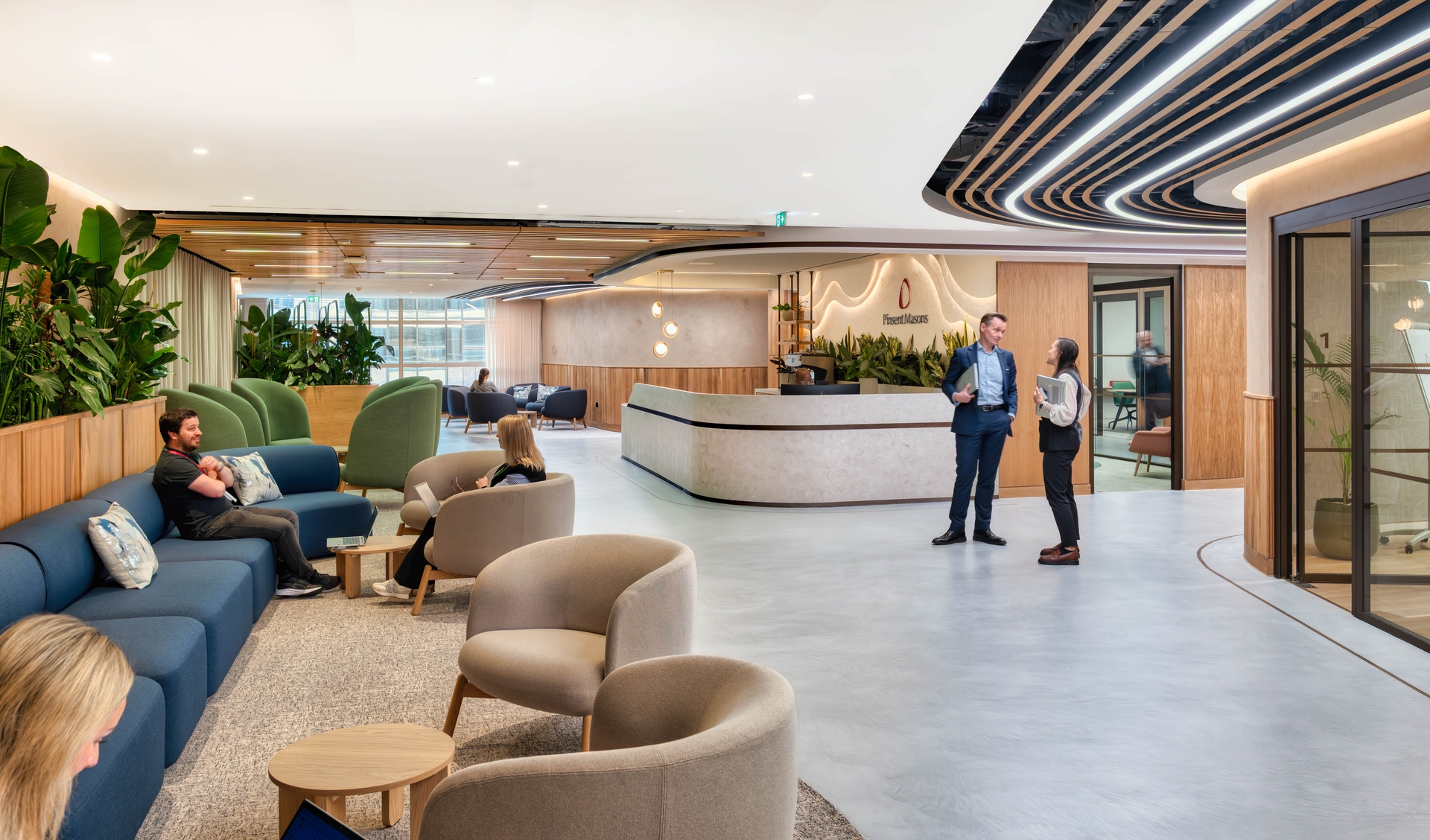
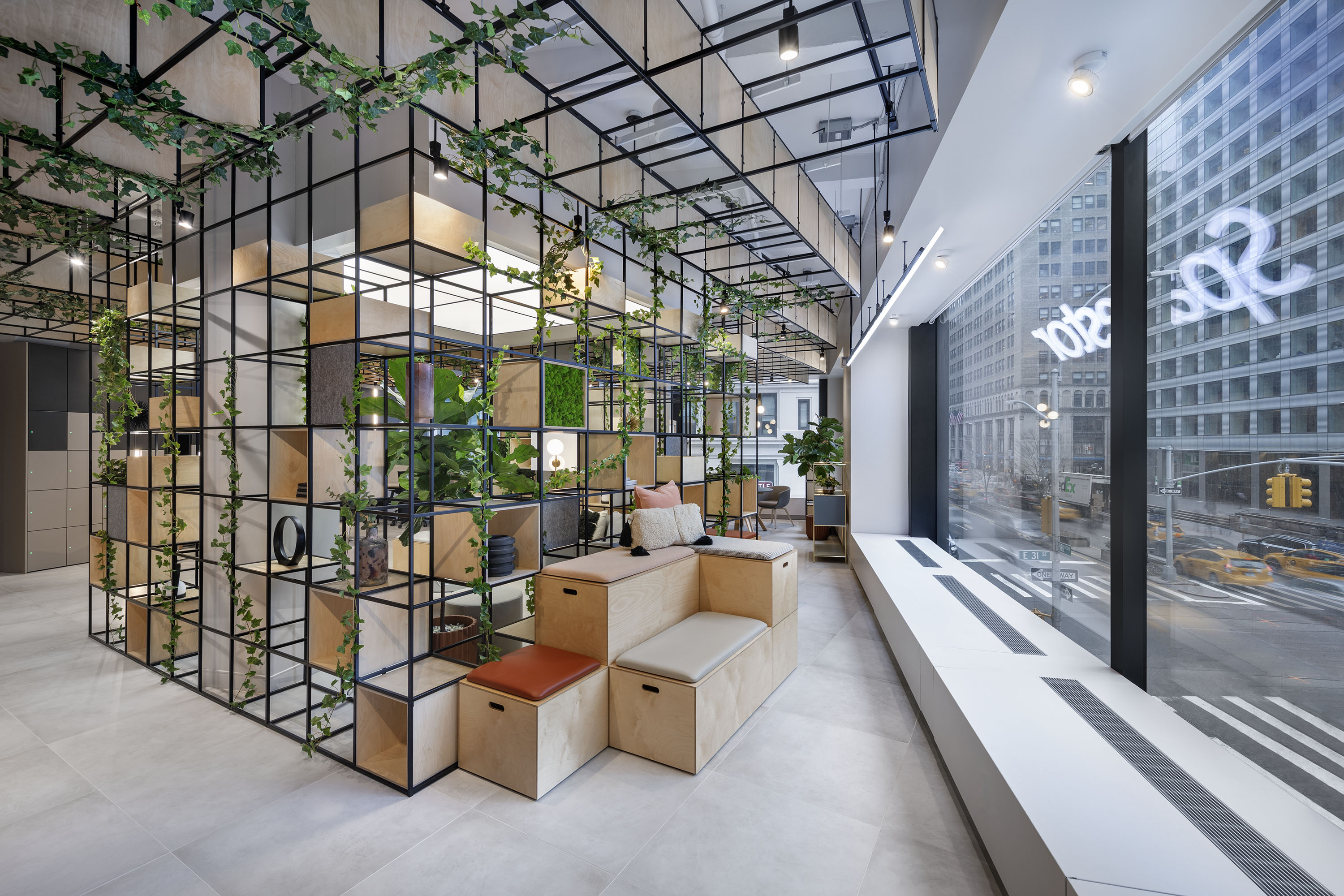
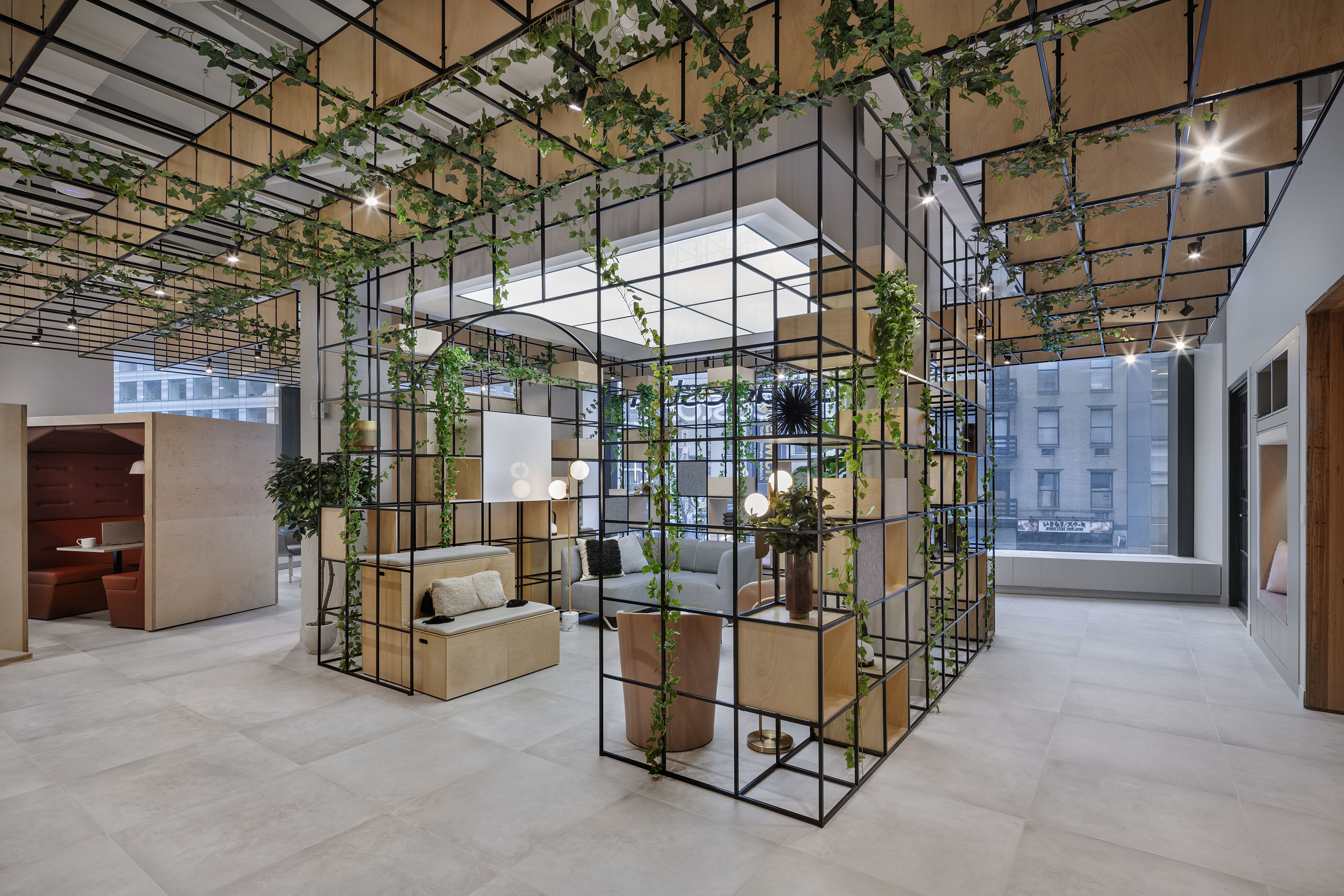
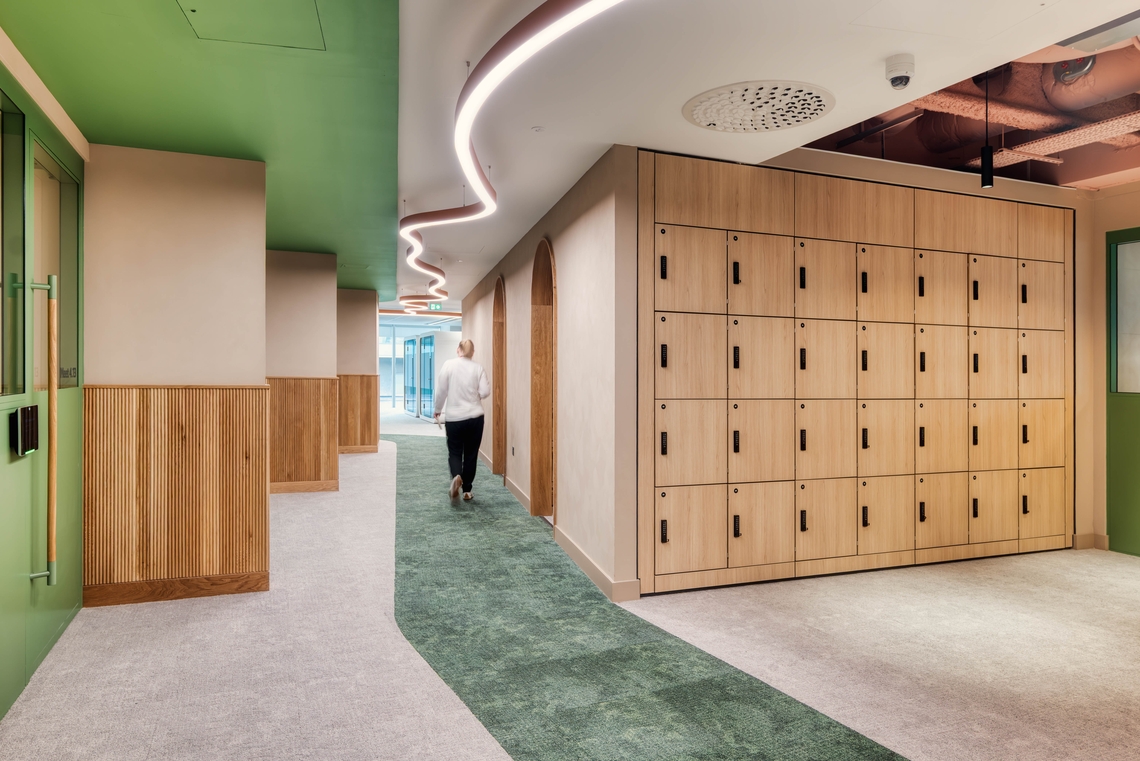
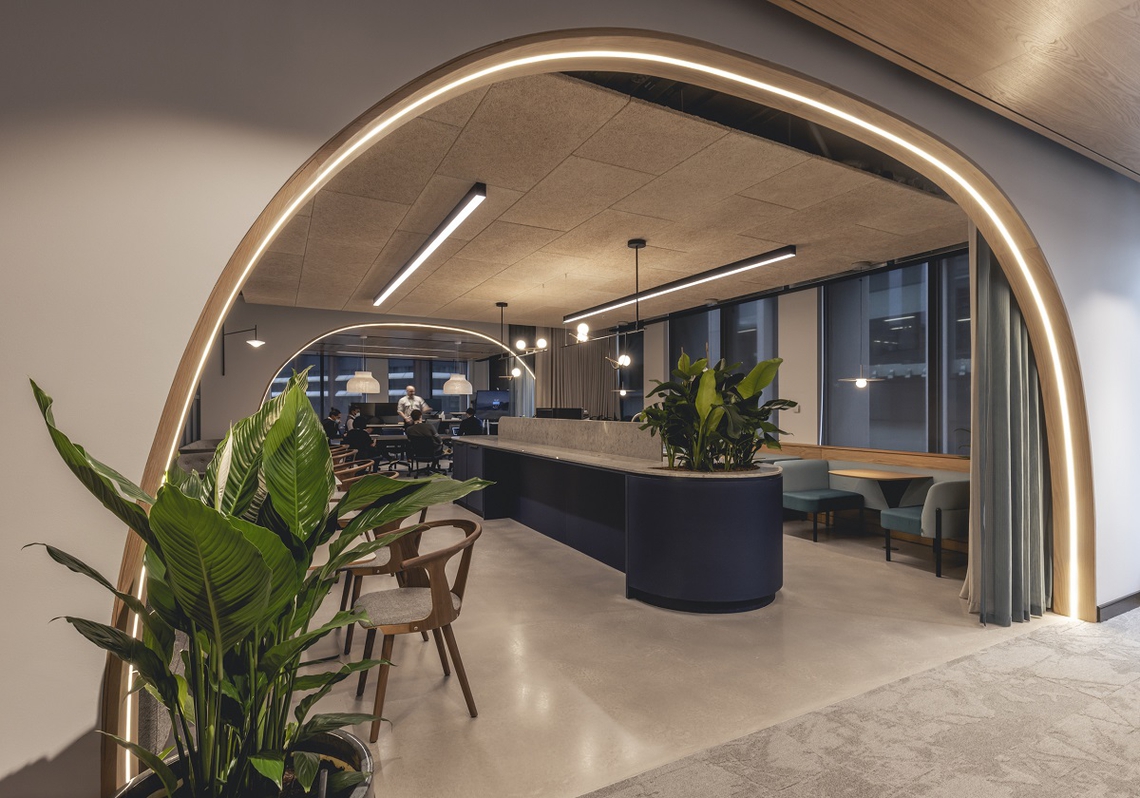
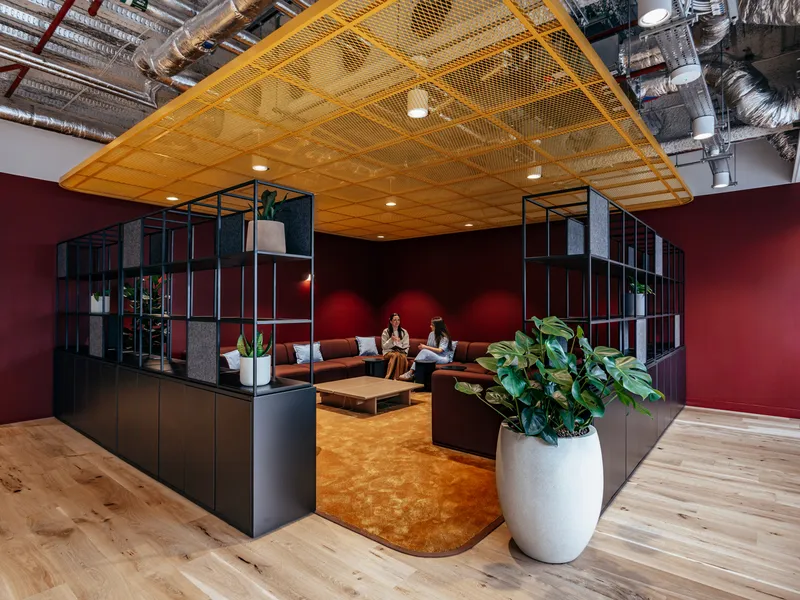
We're seeing a significant move towards environments that feel softer, warmer, and more authentic. Natural materials, rich textures, residential-inspired finishes, and comforting colour palettes are helping organisations create spaces that people genuinely want to spend time in.
Warm, human-centred environments can positively influence wellbeing, encourage connection, and create a stronger emotional attachment to the workplace. They also provide organisations with an opportunity to express their culture and brand in more meaningful and memorable ways.
The workplace is increasingly becoming an extension of a company's identity, a physical manifestation of who they are and how they want people to feel.
Designing for What's Next
While these trends may look different across industries and organisations, they all point towards a common theme: workplaces are becoming more personalised, more experiential, and more centred around human needs.
The offices of the future won't be defined by rows of desks or rigid layouts. They'll be shaped by choice, comfort, inclusivity, and the ability to create environments that help people feel connected, supported, and inspired.
Ultimately, the best workplaces aren't designed around where people work. They're designed around how people work.
Partager cet article